
AM Aqueous Solution
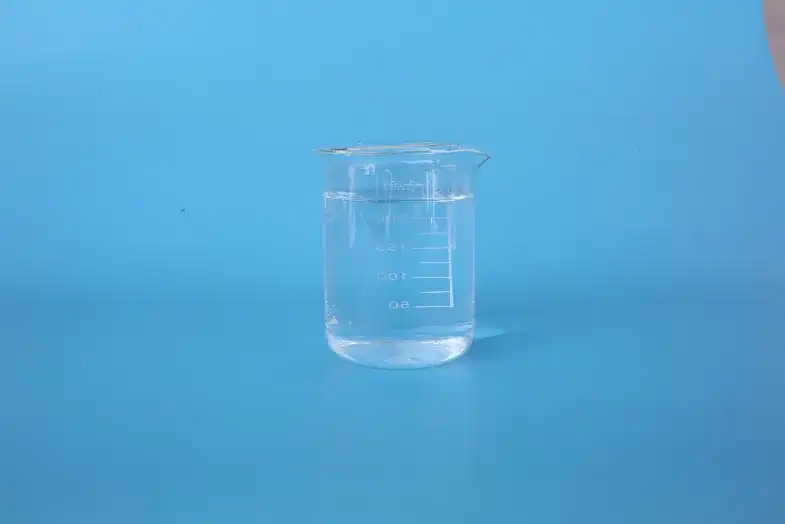
Acrylamide (AM) aqueous solution is typically available in concentrations of 25%–50%. It dissolves readily in water, acetone, and ethanol, and is slightly soluble in benzene. The solution remains relatively stable when stored in a cool, dark place but tends to polymerize when exposed to heat or ultraviolet (UV) irradiation. When overheated, it decomposes and releases corrosive gases.
Key Features
- Using world-leading microbial production technology are more environmentally to achieve high quality product.
- Ultra-high purity and extremely low impurities.
- Excellent polymerization performance.
Scope of Application
AM aqueous solution is mainly used for:
Synthesis of water-soluble polymers, including polyacrylamide-type polymers
Enhancing adhesion of hydrophilic centers in hydrophobic polymers, increasing resin softening point, and improving solvent resistance
Acting as a crosslinking agent for vinyl polymers
Applications across industries include:
Oil recovery
Papermaking
Metallurgy
Beneficiation
Construction
Textiles
Sugar refining
Pharmaceuticals
Agriculture
Polyacrylamide-type polymers derived from AM are often referred to as the “universal additive” or “versatile product” due to their wide applicability.
Technical Indicators
Acrylamide 30% Aqueous Solution
| Item | Content | Acrylonitrile | Acrylic Acid | Conductivity | Inhibitor | pH | Color |
| w% | w% | w% | μS/cm | ppm | # | ||
| Specification | 28–30 | ≤ 0.1 | ≤ 0.3 | ≤ 5 | ≤ 2 | 7.0–9.0 | ≤ 20 |
| Test Result | 29.5–31 | 0–0.025 | 0–0.028 | 0.6–3 | 0–0.5 | 7.0–8.9 | 1–5 |
| Customizable according to customer requirements | |||||||
Acrylamide 40% Aqueous Solution
| Item | Content | Acrylonitrile | Acrylic Acid | Conductivity | Inhibitor | pH | Color |
| w% | w% | w% | μS/cm | ppm | # | ||
| Specification | 38–42 | ≤ 0.1 | ≤ 0.3 | ≤ 30 | ≤ 30 | 7.0–9.0 | ≤ 20 |
| Test Result | 39–41 | 0–0.03 | 0–0.04 | 10–20 | 15–24 | 7.5–8.5 | 2–10 |
| Customizable according to customer requirements | |||||||
Acrylamide 50% Aqueous Solution
| Item | Content | Acrylonitrile | Acrylic Acid | Conductivity | Inhibitor | pH | Color |
| w% | w% | w% | μS/cm | ppm | # | ||
| Specification | 48–52 | ≤ 0.1 | ≤ 0.3 | 5–30 | 15–100 | 7.0–9.0 | ≤ 20 |
| Test Result | 49–51 | 0–0.02 | 0–0.03 | 10–25 | 30–45 | 7.5–8.8 | 2–10 |
| Customizable according to customer requirements | |||||||
Usage Method
Acrylamide can polymerize with anionic comonomers (e.g., acrylic acid, sodium acrylate, AMPS) to produce anionic polyacrylamides. It can also react with cationic monomers (e.g., DAC, DMC, DMDAAC) to produce cationic copolymers. Acrylamide can be homopolymerized to form nonionic polyacrylamide, which can then be hydrolyzed to yield anionic polyacrylamide.
Storage and Transportation
This product is hygroscopic and should be stored in a cool, well-ventilated, dry warehouse. Protect from moisture, rain, and dampness, and keep tightly sealed. Store away from sources of ignition and heat. Avoid contact with oxidizing agents, acids, bases, and reactive metals (e.g., copper, iron, aluminum). Must be stored separately from food-grade chemicals; mixed storage is strictly prohibited.
Shelf life: 1 year. If no self-polymerization occurs after this period, the product may still be used. Before transportation, ensure intact packaging. During transit, prevent leakage, collapse, falling, or damage. Do not transport with oxidizers, acids, food, or reactive metals. Protect from direct sunlight, rain, and high temperatures.
Certifications & Trust Endorsements
Our company has obtained multiple internationally recognized management system and compliance certifications, including:
- ISO 9001 Quality Management System Certification
- ISO 14001 Environmental Management System Certification
- ISO 50001 Energy Management System Certification
- ISO 45001 Occupational Health and Safety Management System Certification
Our AM aqueous solutions comply with relevant international chemical quality standards and regulations, including REACH, ensuring safe handling, reliable performance, and consistent high quality for industrial applications.
Call to Action
For sample testing, technical support, or quotations, please contact our sales team.
FAQ
Q1: How should AM aqueous solution be stored?
A: Store in a cool, dark, and well-ventilated place. Avoid heat, sunlight, and UV exposure. Containers must be tightly sealed to prevent polymerization.
Q2: What is the shelf life of AM aqueous solution?
A: When stored properly, the product remains stable for 12 months.
Q3: Is AM aqueous solution safe to handle?
A: It is corrosive and requires proper PPE including gloves, goggles, and protective clothing during handling.
Q4: Can AM aqueous solution be used to produce polyacrylamide?
A: Yes, it is the main monomer for polyacrylamide and other water-soluble polymers.
Q5: Are there different concentration options?
A: Yes, available concentrations include 30%, 40%, and 50% and can be customized according to customer requirements.





 English
 Russian
 Arabic
 Spanish