
Emulsion-Type Polyacrylamide
Anionic, cationic, and non-ionic emulsion-type polyacrylamides (PAM) are highly efficient, high-concentration liquid flocculants. They are produced using advanced water-in-oil (W/O) emulsion technology, synthesized in an oil medium with the aid of W/O emulsifiers. These products feature a high conversion rate, high molecular weight, excellent stability, versatility, and rapid solubility.
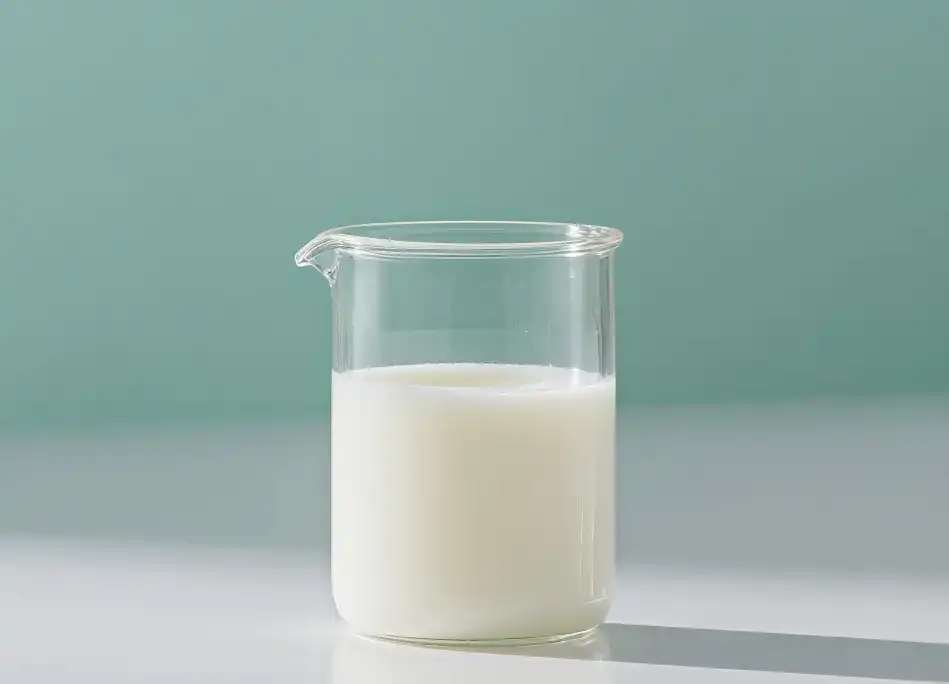
Key Features:
- Fast dissolution rate: ready to use within 5–15 minutes
- High molecular weight with uniform distribution
- Easy to operate and convenient to use
- High flocculation efficiency and long-term stability
Scope Of Application
1. Retention and Drainage Aids for Papermaking:
Suitable for writing paper, newsprint, linerboard, and other paper types
High active content, rapid dissolution, and low dosage requirements
Approximately twice the effectiveness of water-in-water emulsions
2. Wastewater Treatment Agent:
Municipal sewage, papermaking, textile printing and dyeing, coal washing, mineral processing, industrial wastewater, and oilfield drilling additives
Features high viscosity, broad versatility, and easy handling

Urban sewage treatment

Paper industry

Food Processing

Petrochemical industries

Metallurgical Industry

Mineral processing industry
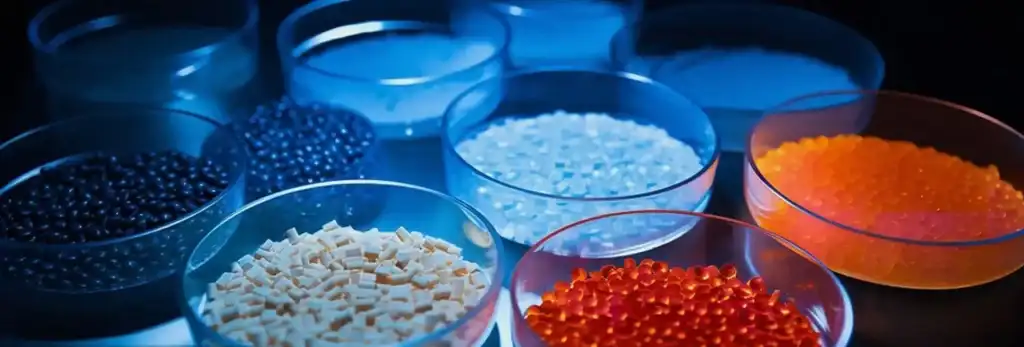
Dyeing industry
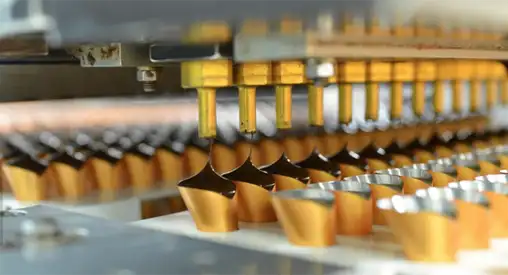
Pugar industry
Technical Indicators
| Product Type | Viscosity | Solid Content (%) | pH Value | Dissolution Time (min) |
| Anionic Water-in-Oil Emulsion Polyacrylamide | 3–9 | 30–50 | 5–8 | 5–10 |
| Cationic Water-in-Oil Emulsion Polyacrylamide | 1–6 | 35–50 | 3–7 | |
| Nonionic Water-in-Oil Emulsion Polyacrylamide | 3–6 | 35–50 | 5–8 |
Usage Method
Operators should wear protective equipment to avoid skin contact with concentrated solutions of this product. In case of contact, immediately rinse thoroughly with plenty of water. Avoid spilling this product series on the ground. If spilled, clean up promptly to prevent slipping and injury when exposed to water.
This product should be stored sealed in a dry and cool environment, with a suitable storage temperature of 5°C to 30°C.
Certifications & Trust Endorsements
Our emulsion-type polyacrylamides have passed a variety of internationally recognized certifications, including:
- ISO 9001 Quality Management System Certification
- ISO 14001 Environmental Management System Certification
- ISO 45001 Occupational Health and Safety Management System Certification
- CQC Energy Management System Certification
Additionally, we hold patents, including the preparation of low-friction proppant for fracturing, demonstrating our innovation and industrial capabilities.
These certifications and patents confirm our commitment to quality, safety, environmental responsibility, and reliable performance in all polymer products.
Call to Action
For sample testing, technical support, or quotations, please contact our sales team.
FAQ
Q1: How should emulsion-type PAM be stored?
A: Store in a cool, dry, and well-ventilated area. Avoid freezing or overheating. Keep containers tightly sealed to prevent contamination.
Q2: What is the typical shelf life?
A: When stored properly, emulsion-type PAM remains stable for 12 months.
Q3: Is the product safe to handle?
A: While generally safe, avoid direct contact with eyes and skin. Use gloves and protective clothing when handling.
Q4: How fast does it dissolve?
A: Dissolution time varies by type: Anionic W/O PAM 5–10 min, Cationic and Nonionic W/O PAM 5–15 min.
Q5: What industries commonly use emulsion-type PAM?
A: Papermaking, wastewater treatment, textiles, mineral processing, oilfield drilling, and other industrial applications.





 English
 Russian
 Arabic
 Spanish