
Anionic Polyacrylamide
Anionic polyacrylamide (PAM) is an ultra-high molecular weight polymer produced by copolymerizing acrylamide and acrylate salts, with molecular weights exceeding 30 million. It exhibits exceptionally strong adsorption and bridging effects, making it highly effective as a flocculant, water treatment agent, and additive in multiple industrial applications. Products with varying molecular weights and ionic types can be selected based on specific application and performance requirements.
Key Features
- High molecular weight for strong flocculation and high efficiency
- Complete range of ionic types for adaptability to different processes and water qualities
- Fast dissolution rate, reducing operation time and improving efficiency
- Low residual monomer content – environmentally friendly and safer to use
- Certified quality ensuring smooth export process and guaranteed performance
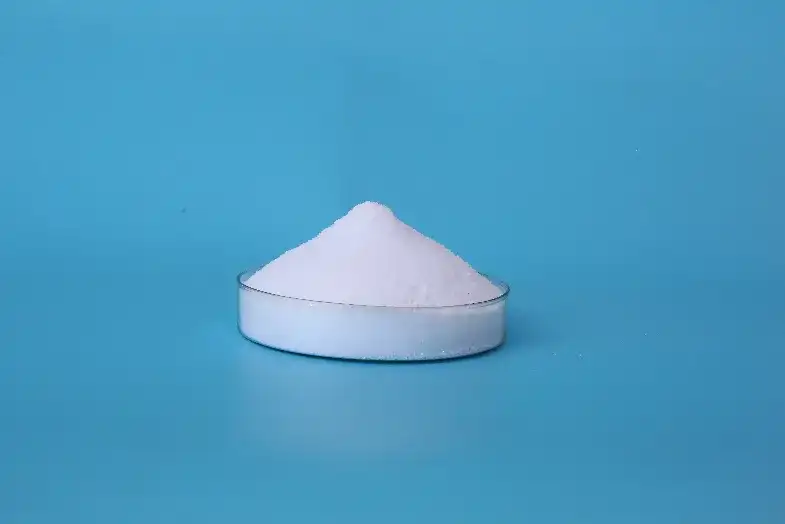
- A container of white granules of anionic polyacrylamide, showcasing uniformity and high purity.
Scope Of Application
Anionic polyacrylamide is widely used in:
Industrial wastewater treatment
Drinking water purification
Recovery of lost starch in starch and alcohol plants
Sand washing
Pharmaceutical manufacturing
Sugar production
Papermaking as an additive
Tertiary oil recovery, profile modification, and water shutoff agents
Drag reduction agents and drilling fluid additives
Fracturing fluid additives

Urban sewage treatment

Paper industry
Food Processing

Petrochemical industries
Metallurgical Industry

Mineral processing industry
Dyeing industry
Pugar industry
Technical Indicators
| Appearance | Solid Content (%) | Molecular Weight (million) | Ionic Degree (%) | Dissolution Time (min) |
| White granules | ≥88 | 4–35 | Low / Medium / High | ≤60 |
Usage Method
- Conduct a selection test to determine the optimal product model and the most suitable dosage.
- The product can be prepared as an aqueous solution with a concentration of 0.1%–0.3%, preferably using salt-free neutral water.
- During dissolution, evenly sprinkle the product into the agitated water phase.
- This product is hygroscopic and should be stored sealed in a cool, dry place.
- Avoid spilling the solid product on the ground to prevent the surface from becoming slippery due to moisture absorption.
Certifications & Trust Endorsements
Our anionic polyacrylamide products have passed multiple internationally recognized certifications:
- ISO 9001 Quality Management System
- ISO 14001 Environmental Management System
- ISO 45001 Occupational Health and Safety Management System
- CQC Energy Management System
We also hold patents, including the preparation of low-friction proppant for fracturing, reflecting our technological innovation and reliable product quality.
Call to Action (CTA)
For sample testing, technical support, or quotations, please contact our sales team.
FAQ
Q1: How should Anionic Polyacrylamide be stored?
A: Store in a cool, dry, and well-ventilated place. Avoid moisture, direct sunlight, and contamination.
Q2: What is the shelf life of the product?
A: When stored properly, the product remains stable for 24 months.
Q3: How quickly does it dissolve in water?
A: Dissolution time is ≤60 minutes, depending on water temperature and agitation.
Q4: Can the ionic degree be customized?
A: Yes, we offer low, medium, and high ionic degrees to meet different process requirements.
Q5: Which industries commonly use Anionic PAM?
A: Wastewater treatment, drinking water purification, papermaking, oil recovery, pharmaceutical production, sugar production, and sand washing.





 English
 Russian
 Arabic
 Spanish