
Getting polyacrylamide emulsion to dissolve properly sounds straightforward until you watch a batch turn into a clumpy mess that clogs your dosing pumps. The difference between a smooth, fully hydrated polymer solution and one riddled with undissolved lumps often comes down to a handful of controllable variables that many operators overlook. Water temperature, mixing intensity, addition rate, and even the mineral content of your dilution water all interact in ways that can either accelerate dissolution or sabotage it entirely. This matters because incomplete dissolution means you’re paying for polymer that never actually works, while also dealing with equipment fouling and inconsistent treatment results.
Why Emulsion Polyacrylamide Behaves Differently Than Powder Forms
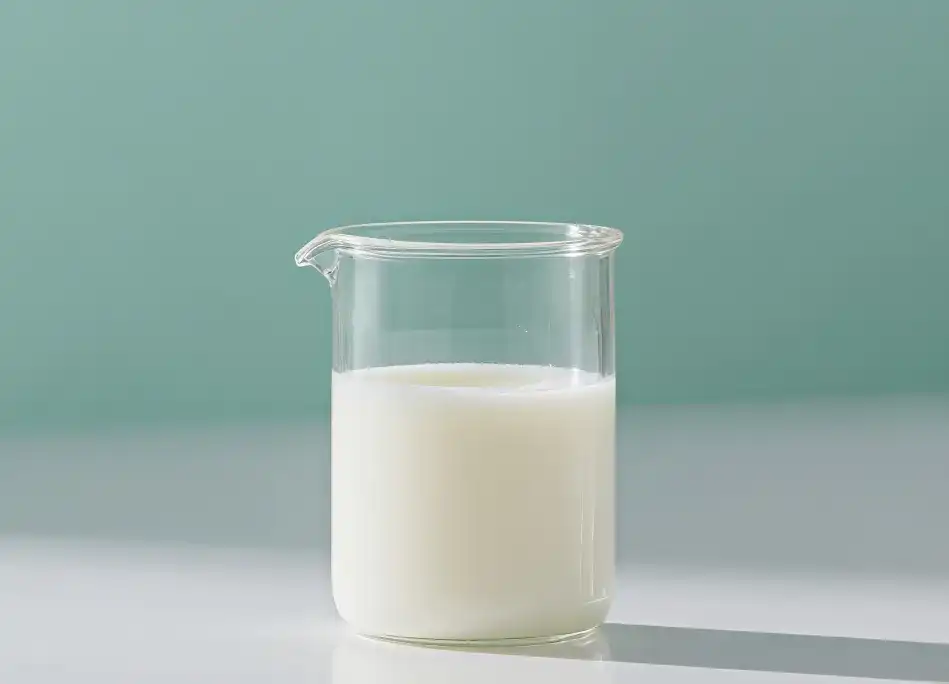
Emulsion polyacrylamide arrives as a milky liquid suspension where polymer particles sit dispersed in an oil phase. This water-in-oil structure gives it a significant speed advantage over powder forms, but it also creates a specific dissolution challenge: the oil phase must invert and release the polymer particles into water before hydration can begin. Skip this inversion step or rush it, and you end up with polymer trapped inside oil droplets that never properly hydrate.
The practical differences between emulsion and powder forms show up immediately in preparation time and handling requirements:
| Property | Powder Polyacrylamide | Emulsion Polyacrylamide |
|---|---|---|
| Form | Solid granules | Liquid emulsion |
| Dissolution | Slower (30-60 min) | Faster (5-15 min) |
| Concentration | High | High |
| Handling | Dusting potential | Liquid, easier dosing |
| Dispersion | Requires careful wetting | Requires inversion |
That faster dissolution time only materializes when the inversion happens correctly. The emulsion needs sufficient mechanical energy to break apart the oil phase and expose polymer particles to water. Too little agitation leaves polymer locked away; too much can shear the long polymer chains and destroy the very molecular weight that makes the product effective.
What Actually Controls How Fast Polyacrylamide Emulsion Dissolves
Several variables determine whether your Polyacrylamide Emulsion dissolves in five minutes or sits there as a stubborn suspension. Understanding these factors lets you adjust your process rather than simply accepting whatever dissolution rate you happen to get.
Water Chemistry Makes More Difference Than Most Operators Realize
The water you use for dilution affects polyacrylamide emulsion dissolution more than many operators expect. Calcium and magnesium ions in hard water compete for interaction sites on the polymer chains, interfering with the hydration process that allows the polymer to uncoil and become active. High hardness levels can slow dissolution noticeably and reduce the final solution’s effectiveness even after the polymer appears fully dissolved.
Salinity creates similar problems through a different mechanism. Dissolved salts compress the electrical double layer around polymer chains, preventing them from fully extending into solution. This matters because the flocculating power of polyacrylamide depends on those extended chains being available to bridge between particles. Using softened or deionized water for polymer makeup eliminates these interferences, though the cost-benefit calculation depends on your specific water quality and application requirements.
Temperature Walks a Fine Line Between Helpful and Harmful
Warmer water speeds up molecular motion and accelerates hydration, but polyacrylamide has a ceiling. Water above 50°C starts breaking polymer chains through thermal degradation, permanently reducing molecular weight and flocculation performance. The sweet spot for most emulsion polyacrylamide products falls between 10°C and 40°C, with the middle of that range typically offering the best balance of speed and polymer preservation.
Cold water creates the opposite problem. Below 10°C, dissolution slows dramatically, and some operators mistake incomplete hydration for a finished solution simply because they ran out of patience. If you’re working with cold source water, either extend your mixing time or consider inline heating to bring the dilution water into a more favorable temperature range.
Mixing Equipment and Techniques That Actually Speed Things Up
The right mixing setup makes the difference between a five-minute dissolution and a frustrating thirty-minute process that still leaves lumps behind. High-shear mixers excel at the initial dispersion phase, breaking the emulsion apart quickly and exposing polymer particles to water. However, extended high-shear mixing after the initial dispersion can damage polymer chains, so the goal is intense mixing early, then gentler agitation during the hydration phase.
In-line dilution systems work well for continuous operations because they introduce polyacrylamide emulsion gradually into a flowing water stream. This prevents the concentrated polymer from encountering itself and forming the sticky agglomerates that become fish eyes. The key is maintaining enough turbulence at the injection point to disperse the emulsion immediately upon contact with water.
Matching Equipment to Your Scale and Speed Requirements
High-shear mixers handle initial dispersion effectively, but they’re not the only option. Dynamic mixers with continuous agitation maintain solution homogeneity during the hydration period and prevent polymer from settling or re-agglomerating. Static mixers installed in piping can supplement dynamic mixing by ensuring thorough blending during transport from the preparation tank to the dosing point.
The choice depends on your operation’s scale and how quickly you need finished solution available. Batch preparation with a high-shear mixer followed by aging in a holding tank works well for operations with predictable demand. Continuous in-line systems suit applications where demand fluctuates or where space constraints prevent large aging tanks.
Getting the Full Performance Out of Your Prepared Solution
Dissolving the polymer is only part of the preparation process. What happens after initial mixing determines whether you get full flocculation performance or something less.
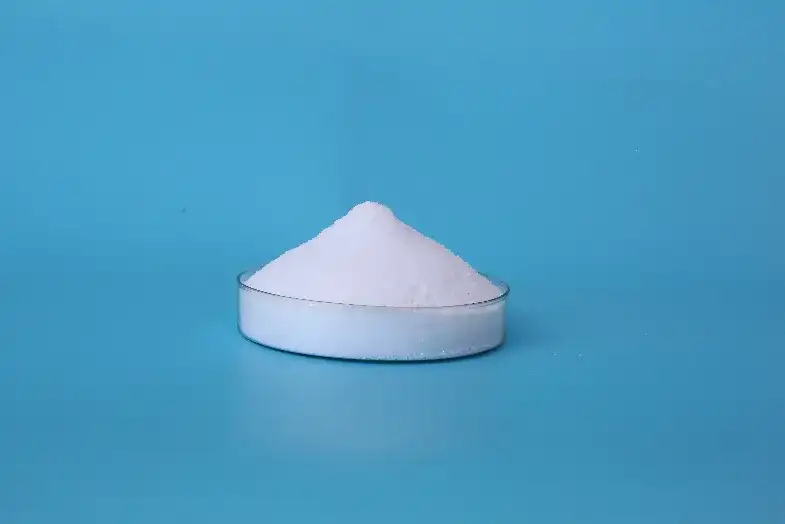
Aging time matters more than many operators realize. Freshly dissolved polyacrylamide emulsion hasn’t fully uncoiled yet. The polymer chains need time to extend into solution and develop their full viscosity and bridging capability. Rushing solution to use before this aging period completes means you’re dosing polymer that hasn’t reached its potential effectiveness. Most emulsion products need 15 to 30 minutes of gentle aging after initial dissolution, though specific products may vary.
Storage conditions affect how long your prepared solution remains usable. Polyacrylamide solutions degrade over time, with biological activity, UV exposure, and temperature extremes all accelerating the process. Keeping prepared solution in covered tanks at moderate temperatures extends usable life, while leaving it exposed to sunlight or allowing it to heat up shortens the window before you’re essentially dosing degraded product.
When Dissolution Goes Wrong and How to Fix It
Fish eyes remain the most common dissolution problem. These undissolved lumps form when concentrated polymer contacts itself before dispersing into water, creating a sticky outer layer that prevents water from reaching the interior. Prevention works better than cure here. Slow addition rates, adequate agitation at the addition point, and proper equipment design all reduce fish eye formation.
If fish eyes do form, extended mixing time sometimes breaks them down, but often the only real solution is filtering them out and adjusting your process to prevent recurrence. Screening the finished solution catches the worst offenders before they reach your dosing pumps.
Failing to reach target viscosity usually indicates incomplete hydration. This can result from insufficient mixing time, water that’s too cold, or water chemistry issues interfering with polymer uncoiling. Extending the aging period often helps, as does checking your dilution water quality and temperature.
Real Results from Proper Dissolution Practices
Industrial wastewater operations that dial in their polyacrylamide emulsion dissolution see measurable improvements in flocculation performance and effluent clarity. The polymer does more work per kilogram when it’s fully hydrated and properly aged before dosing.
Oilfield applications depend on stable polymer solutions for enhanced oil recovery, where incomplete dissolution creates injection problems and reduces sweep efficiency. Mining operations using polyacrylamide emulsion for solid-liquid separation find that proper preparation translates directly into faster settling rates and cleaner overflow.
Papermaking applications show similar patterns. Retention and drainage aids prepared with attention to dissolution quality perform more consistently than hastily prepared solutions, affecting both paper quality and machine runnability.
If you’re interested, check 《Nuoer at 25th China International Petroleum & Petrochemical Technology Exhibition》.
Common Questions About Polyacrylamide Emulsion Dissolution
What water temperature range works best for dissolving emulsion polyacrylamide?
Aim for 10°C to 40°C, with temperatures in the 20°C to 30°C range typically giving the best results. Water above 50°C causes thermal degradation that permanently reduces polymer molecular weight and performance. Cold water below 10°C slows hydration significantly, requiring much longer mixing times to achieve complete dissolution. If your source water runs cold, consider inline heating or simply plan for extended preparation time.
How do you prevent fish eyes from forming during polyacrylamide emulsion preparation?
Fish eyes form when concentrated polymer contacts itself before dispersing into water. Prevent them by adding the emulsion slowly into the vortex of agitated water rather than dumping it in all at once. High-shear mixing at the addition point helps disperse the emulsion immediately upon contact with water. Pre-diluting the emulsion before adding it to the main batch can also help, particularly with higher-viscosity products. Maintaining proper water temperature and quality supports uniform hydration that reduces the sticky surface layer formation that creates fish eyes.
What safety precautions apply when handling and preparing polyacrylamide solutions?
Spilled polyacrylamide emulsion creates extremely slippery surfaces, so immediate cleanup prevents slip hazards. Wear gloves, safety glasses, and chemical-resistant clothing to prevent skin and eye contact. Work in ventilated areas to avoid inhaling any mists generated during mixing. Follow storage guidelines to prevent product degradation, and have spill response materials readily available. Personnel handling these products should receive proper training on both routine handling and emergency procedures.
Working with Nuoer on Your Polymer Preparation Challenges
Getting polyacrylamide emulsion dissolution right affects both your operating costs and your process results. Shandong Nuoer Biological Technology Co., Ltd. manufactures emulsion polyacrylamide products across anionic, cationic, and non-ionic types, each formulated for specific application requirements. Our technical team can help you optimize your preparation process for your specific water quality, equipment, and application needs. Reach out through www.nuoer.com or email en*****@***er.com to discuss your situation.


 English
 Russian
 Arabic
 Spanish