
Acrylamide aqueous solutions sit at the heart of gel manufacturing, and anyone who has worked with them knows the difference between a batch that polymerizes cleanly and one that leaves you troubleshooting for hours. The chemistry seems straightforward on paper—dissolve monomer, add initiator, wait for gelation—but the reality involves dozens of variables that interact in ways that only become obvious after you’ve run enough trials. Getting consistent results means understanding not just what to do, but why each parameter matters and how they influence each other during polymerization.
The Chemistry Behind Acrylamide Aqueous Solutions
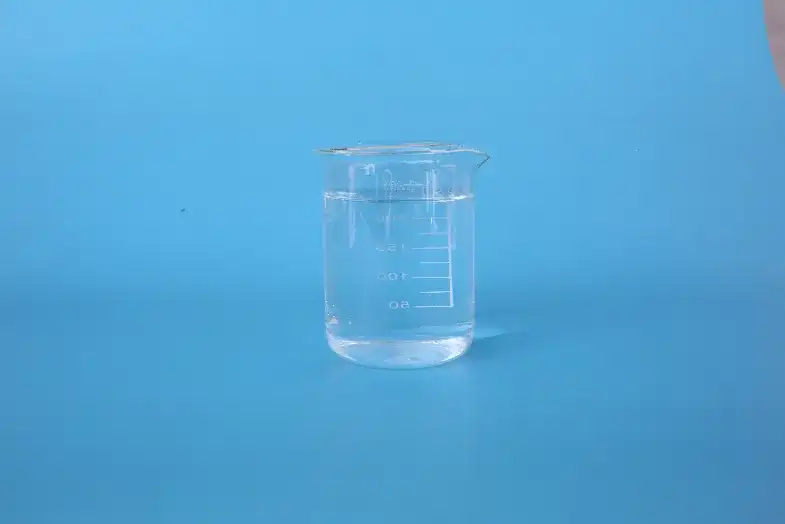
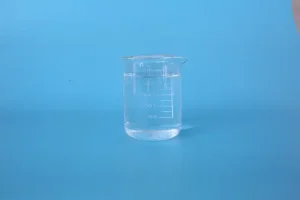
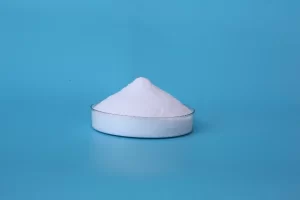
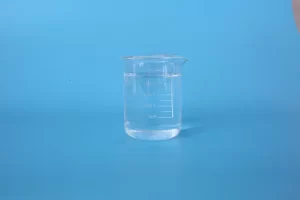
Acrylamide aqueous solutions function as the monomer source for polyacrylamide gel synthesis. The preparation process involves dissolving high-purity acrylamide monomer in deionized water, with working concentrations typically falling between 25% and 50% depending on the target application.
Solution stability deserves more attention than it often receives. Temperature fluctuations, light exposure, and pH shifts all affect how long an acrylamide aqueous solution remains viable for polymerization. A solution stored improperly might still look fine but produce gels with inconsistent pore structures or reduced mechanical strength. The monomer can undergo slow spontaneous polymerization even at room temperature, particularly if trace metal ions are present.
Maintaining precise monomer concentration directly controls the final gel’s structural characteristics. Even small deviations from target concentration translate into measurable differences in gel performance. Shandong Nuoer Biological Technology Co., Ltd. applies advanced microbial technology in producing acrylamide aqueous solution to achieve ultra-low impurity levels and reliable polymerization behavior. Strict purity standards prevent side reactions that would otherwise compromise gel formation consistency.
Polymerization Parameters That Actually Matter
The factors controlling acrylamide gel polymerization interact in ways that make optimization genuinely challenging. Temperature stands out as particularly influential. Higher temperatures accelerate reaction kinetics and shorten gelation time, but this speed comes with tradeoffs. Rapid polymerization can create non-uniform pore distributions because the reaction generates heat faster than it dissipates, creating temperature gradients within the gel.
Initiator selection and concentration determine how the polymerization begins. Ammonium persulfate paired with TEMED remains the most common system for room-temperature polymerization. APS generates sulfate radicals that initiate chain growth, while TEMED accelerates radical formation. The ratio between these components affects not just gelation speed but also the consistency of the final product.
| Initiator Type | Typical Concentration | Effect on Gelation Time | Effect on Gel Pore Size |
|---|---|---|---|
| Ammonium Persulfate (APS) | 0.05-0.1% | Decreases | Minor |
| TEMED | 0.1-0.2% | Decreases | Minor |
| Riboflavin | 0.001-0.005% | Moderate decrease (light-activated) | Minor |
| Azo compounds | Variable | Decreases (heat-activated) | Minor |
Cross-linking agents determine the three-dimensional network structure. N,N’-methylenebisacrylamide creates junction points between polymer chains. Higher cross-linker concentrations produce denser gels with smaller pores and greater mechanical rigidity. The relationship is not perfectly linear, though—at very high cross-linker ratios, gels can become brittle rather than simply stiffer.
Effective gel casting prevents air bubble entrapment and ensures uniform polymerization throughout the gel volume. Oxygen inhibits free radical polymerization, so degassing solutions or overlaying with water-saturated butanol helps achieve complete gelation at the surface.
Why Purity Makes or Breaks Your Results
The connection between acrylamide aqueous solution purity and gel performance becomes obvious once you’ve compared results from different-grade materials. Impurities interfere with polymerization through several mechanisms. Some act as chain transfer agents, terminating growing polymer chains before they reach optimal length. Others consume initiator radicals without contributing to polymer formation, effectively reducing the efficiency of the initiation system.
For gel electrophoresis preparation, these effects translate directly into separation quality. Inconsistent pore sizes produce smeared bands rather than sharp resolution. Charge distribution irregularities cause lane-to-lane variation that makes quantitative comparisons unreliable.
Hydrogel synthesis for research applications faces similar sensitivity. Reproducibility depends on starting with materials that behave identically from batch to batch. Shandong Nuoer Biological Technology Co., Ltd. maintains AM Aqueous Solution specifications with acrylonitrile content at or below 0.1% and acrylic acid at or below 0.3%. These limits reflect what’s necessary to achieve consistent polymerization behavior across demanding applications.
Matching Gel Properties to Industrial Requirements
Different industries need different gel characteristics, and optimizing acrylamide gel production means understanding what each application actually requires.
Water treatment applications use polyacrylamide as a flocculant, where molecular weight and charge density determine how effectively the polymer aggregates suspended particles. The mechanism involves polymer chains bridging between particles, so chain length matters. Charge characteristics must match the surface chemistry of target contaminants. Shandong Nuoer Biological Technology Co., Ltd. produces anionic polyacrylamide and cationic polyacrylamide flocculant formulations designed for high flocculation efficiency across varying water quality conditions.
Enhanced oil recovery presents a completely different set of demands. Gels must maintain viscosity under reservoir conditions—high temperatures, elevated salinity, and mechanical shear during injection. A gel that performs well in laboratory testing might fail completely when exposed to actual reservoir fluids.
Superabsorbent polymers derived from acrylamide chemistry need to absorb many times their weight in liquid while retaining that fluid under pressure. Products like diapers require both high absorption capacity and resistance to gel blocking under load. Shandong Nuoer Biological Technology Co., Ltd. supplies super absorbent polymer wholesale including ultra high absorbency SAP (SAP NR-611) and high permeability super absorbent polymer (SAP NR-760K), each engineered for specific performance requirements.
Biomedical applications add biocompatibility constraints to the mechanical property requirements. Drug delivery systems need gels that release therapeutic compounds at controlled rates. Tissue engineering scaffolds must support cell growth while providing appropriate mechanical support.
Handling Acrylamide Safely
Acrylamide’s classification as a neurotoxin and potential carcinogen means safety protocols are not optional. The compound can be absorbed through skin contact, making dermal exposure a primary concern during routine handling.
The acrylamide safety data sheet provides comprehensive hazard information and should be reviewed before beginning any work with the material. Storage conditions matter for both safety and product quality—cool, dark, well-ventilated areas prevent degradation while reducing the risk of uncontrolled polymerization.
Personal protective equipment requirements include chemical-resistant gloves, safety glasses, and lab coats at minimum. The specific glove material matters because acrylamide solutions can permeate some polymers relatively quickly. Nitrile gloves provide better protection than latex for extended contact.
Waste disposal requires following established guidelines for both unused solutions and contaminated materials. Polymerized acrylamide presents much lower hazard than the monomer, so complete polymerization of waste solutions before disposal reduces risk.
Regulatory compliance involves tracking requirements that vary by jurisdiction and change over time. Staying current with both local and international guidelines requires ongoing attention rather than a one-time review.
Finding a Supplier That Understands Your Needs
Strategic sourcing decisions affect every aspect of gel production quality. The manufacturing process, quality assurance protocols, and available technical support all influence whether a supplier relationship will work long-term.
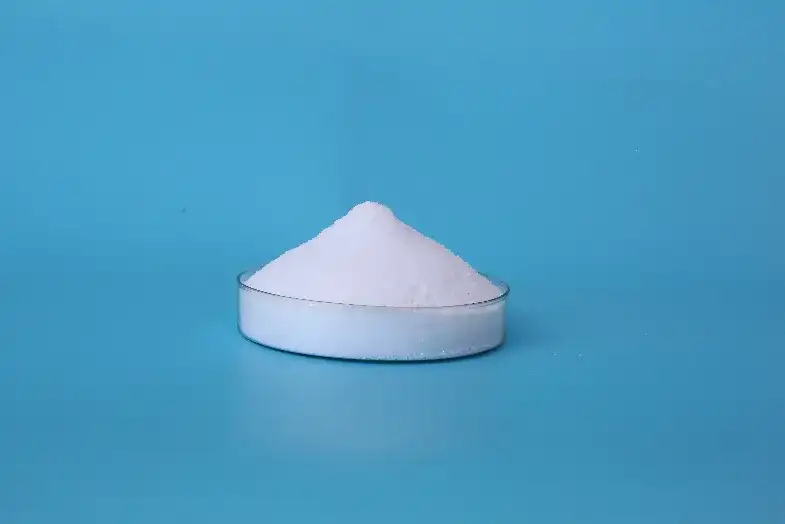
Shandong Nuoer Biological Technology Co., Ltd. uses advanced microbial technology for producing acrylamide monomer crystal and acrylamide aqueous solution. This approach achieves the ultra-low impurity levels that demanding applications require. Annual production capacity of 300,000 tons of acrylamide provides the scale to support substantial industrial operations without supply constraints.
The company’s global sales network reaches over 60 countries and regions, providing supply chain reliability for international operations. Technical support capabilities matter when troubleshooting production issues or optimizing processes for new applications. A supplier who understands the chemistry can help identify root causes when gel properties drift from specification.
Access to high-purity raw materials forms the foundation for consistent gel production. Partnering with a supplier who maintains rigorous quality standards removes one major source of batch-to-batch variation.
Frequently Asked Questions About Acrylamide Aqueous Solutions
What concentration of acrylamide works best for different gel types?
The optimal acrylamide aqueous solution concentration depends entirely on what you’re trying to achieve. Higher concentrations produce stiffer gels with smaller pores, which work well for separating low-molecular-weight compounds in electrophoresis. Lower concentrations create softer gels with larger pores, better suited for high-molecular-weight proteins or hydrogel applications where flexibility matters. Cross-linker ratio and polymerization temperature interact with monomer concentration to determine final gel structure. Technical specifications for your specific application provide the most reliable starting point for optimization.
How can you maximize the shelf-life of acrylamide aqueous solutions?
Storage conditions determine how long acrylamide aqueous solution remains usable. Refrigeration slows thermal degradation and reduces the rate of spontaneous polymerization. Light exposure accelerates degradation, so opaque containers or dark storage areas help. Starting with high-purity acrylamide and deionized water minimizes contaminants that could catalyze unwanted reactions. Proper sealing prevents oxygen exposure, which can affect solution stability. Manufacturers often include stabilizers to extend shelf-life, but following recommended storage conditions and respecting expiration dates remains essential for consistent results.
What safety measures are essential when working with acrylamide?
Acrylamide requires serious respect during handling. Personal protective equipment—gloves, safety glasses, lab coat—prevents skin contact and protects against splashes. Work in well-ventilated areas or under fume hoods to minimize inhalation exposure. The Safety Data Sheet contains detailed information on hazards, emergency procedures, and disposal requirements that everyone handling the material should review. Training personnel on safe practices before they begin working with acrylamide prevents accidents that could have been avoided with proper preparation.
Partner with Shandong Nuoer Biological Technology Co., Ltd.
Shandong Nuoer Biological Technology Co., Ltd. brings together production capacity, quality standards, and technical expertise to support consistent gel manufacturing. With 300,000 tons annual acrylamide production capacity and distribution across more than 60 countries, the company provides both the materials and the support needed for demanding applications. Contact us to discuss your specific requirements and explore how our acrylamide solutions can support your production goals.
Phone: +86-532-66712876 | Email: en*****@***er.com


 English
 Russian
 Arabic
 Spanish