
Working with acrylamide aqueous solutions demands respect for the chemical’s nature and a clear-eyed approach to risk management. Years of manufacturing and distributing these solutions across global markets have taught us that safety protocols aren’t bureaucratic overhead—they’re the difference between routine operations and serious incidents. What follows covers the practical requirements for handling, storing, and responding to emergencies involving these solutions.
Acrylamide Aqueous Solutions and Their Hazard Profile
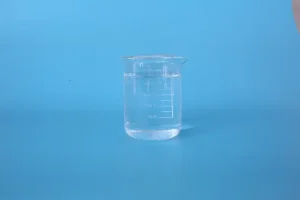
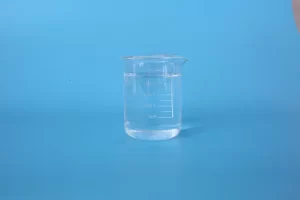
Acrylamide aqueous solutions are high-purity chemical compounds, typically available in concentrations of 25%–50%. These solutions serve as monomers for synthesizing polyacrylamide and related copolymers, with applications spanning water treatment, oil recovery, and papermaking. The industrial value is clear, but so are the risks. These solutions dissolve readily in water, acetone, and ethanol. Key parameters include acrylamide content, acrylonitrile, acrylic acid levels, pH, conductivity, and inhibitor content.
The toxicological profile of acrylamide warrants serious attention. Exposure pathways lead to neurotoxicity, skin irritation, and potential carcinogenicity. Grasping these risks forms the basis for any meaningful safety program. Our production process uses advanced microbial technology, yielding ultra-low impurities and strong polymerization performance. None of that changes the need for strict safety discipline.
| Hazard Category | Description |
|---|---|
| Acute Toxicity | Harmful if swallowed, in contact with skin, or inhaled. |
| Skin Corrosion/Irritation | Causes skin irritation. |
| Serious Eye Damage/Irritation | Causes serious eye irritation. |
| Germ Cell Mutagenicity | May cause genetic defects. |
| Carcinogenicity | Suspected of causing cancer. |
| Reproductive Toxicity | May damage fertility or the unborn child. |
| Specific Target Organ Toxicity (Single Exposure) | May cause respiratory irritation. |
| Specific Target Organ Toxicity (Repeated Exposure) | Causes damage to organs through prolonged or repeated exposure. |
Regulatory Compliance and International Safety Standards
Meeting international and national safety regulations isn’t optional when manufacturing or using acrylamide aqueous solutions. REACH, OSHA standards, and the GHS framework establish the baseline for acceptable practice. These regulations require thorough hazard communication, risk assessment, and control measures. Following them keeps global operations running smoothly and reduces regulatory exposure. Our products satisfy these requirements, which simplifies integration into industrial processes across different jurisdictions.
For more insights into our commitment to safety and quality, consider reading 《Nuoer Honored as Outstanding Tax Contributor in Dongying City 2024》.
Personal Protective Equipment and Engineering Controls
Protection against acrylamide aqueous solutions requires both personal protective equipment and engineered safeguards working together. PPE selection matters. Chemical-resistant gloves made from butyl rubber or nitrile are standard. Splash goggles or face shields protect the eyes. Respiratory protection varies with exposure levels, ranging from air-purifying respirators with organic vapor cartridges to supplied-air respirators for higher concentrations. Chemical-resistant suits prevent skin contact.
Engineering controls address exposure at the source. Local exhaust ventilation systems manage airborne concentrations. Closed-system transfers and containment setups prevent spills and leaks during handling and processing. These controls need regular maintenance and inspection to stay effective.
Handling Storage and Emergency Response Protocols
Safe handling, storage, and emergency response form the backbone of acrylamide aqueous solution management. Material Safety Data Sheets provide product-specific guidance that should be followed closely. This approach reduces risks across the entire product lifecycle.
What are the health risks associated with acrylamide aqueous solutions?
Handling Acrylamide Aqueous Solution brings risks of neurotoxicity, skin irritation, and potential carcinogenicity. Exposure happens through skin contact, vapor inhalation, or accidental ingestion. Strict PPE protocols and adequate ventilation are the main defenses. Long-term effects can include peripheral neuropathy and elevated cancer risk, which reinforces why safety measures can’t be treated casually.
How should acrylamide aqueous solutions be safely stored and transported?
Storage requires tightly sealed containers kept away from incompatible materials, direct sunlight, and heat sources. Storage areas should be cool, dry, well-ventilated, and clearly labeled. Regular container and area inspections catch leaks or spills before they become problems, consistent with MSDS guidelines. Transportation demands secure packaging and compliance with hazardous material regulations.
What first aid measures are necessary for acrylamide exposure?
When a spill or exposure incident occurs, immediate steps include evacuating non-essential personnel, ensuring responders have proper PPE, containing the spill with inert absorbent materials, and ventilating the area. For personal exposure, flush affected skin or eyes with plenty of water immediately, then seek medical attention without delay. Having spill kits and trained personnel ready makes the difference between a controlled response and chaos.
Environmental Protection and Waste Management Strategies
Responsible environmental management goes hand in hand with acrylamide handling. Waste management and pollution prevention minimize environmental impact. Wastewater containing acrylamide requires appropriate treatment before discharge to protect water bodies. Specialized chemical or biological treatment processes degrade acrylamide effectively.
Disposal of acrylamide waste, including contaminated materials and residues, must follow local and international hazardous waste regulations. Waste minimization at the source, combined with solid spill prevention and response plans, protects ecosystems. Our manufacturing processes for products like Polyacrylamide Supplier OEM and Acrylamide Supplier OEM reflect this commitment to environmentally sound practices.
Partner with Shandong Nuoer for Uncompromised Acrylamide Solutions
At Shandong Nuoer Biological Technology Co., Ltd., we manufacture products that meet the highest safety and environmental standards. With an annual production capacity of 300,000 tons of acrylamide and a global sales network spanning over 60 countries, we serve industries worldwide. Our focus on achieving customer success and creating value includes ensuring safe and responsible product use. Contact us today to discuss your acrylamide needs and learn more about our safety support. Email us at en*****@***er.com or call +86-532-66712876.
Frequently Asked Questions About Acrylamide Aqueous Solution Safety
What are the primary health risks associated with handling acrylamide aqueous solutions?
Handling acrylamide aqueous solutions brings risks of neurotoxicity, skin irritation, and potential carcinogenicity. Exposure occurs through skin contact, vapor inhalation, or accidental ingestion. Strict PPE protocols and adequate ventilation are the primary defenses against these health risks.
How should acrylamide aqueous solutions be safely stored to prevent accidents?
Safe storage means keeping solutions in tightly sealed containers, away from incompatible materials, direct sunlight, and heat sources. Storage areas should be cool, dry, well-ventilated, and clearly labeled. Regular inspections of containers and storage areas prevent leaks or spills, following MSDS guidelines.
What emergency response procedures are critical for an acrylamide spill or exposure incident?
Immediate response includes evacuating non-essential personnel, ensuring responders have proper PPE, containing the spill with inert absorbent materials, and ventilating the area. For personal exposure, flush affected skin or eyes with plenty of water immediately, then seek medical attention. Having spill kits and trained personnel in place is non-negotiable.





 English
 Russian
 Arabic
 Spanish