

Acrylamide monomer behaves predictably when you control its environment, but let that control slip and degradation sets in faster than most operators expect. The compound sits at the heart of polyacrylamide production and superabsorbent resin manufacturing, which means any loss of purity ripples through the entire process chain. What follows covers the mechanisms behind that instability, the storage conditions that actually work, and the analytical methods that catch problems before they reach the reactor.
Why Acrylamide Monomer Breaks Down in Storage
Several pathways lead to acrylamide monomer degradation, and they often work in combination. Heat pushes the compound toward unwanted side reactions, generating impurities that interfere with polymerization. Moisture triggers hydrolysis, converting acrylamide into acrylic acid and dropping purity in ways that show up immediately in downstream products. Oxygen promotes oxidative breakdown, while UV light can kick off premature polymerization before the monomer ever reaches the reactor.
The polymerization inhibitors added during manufacturing lose effectiveness over time. Once inhibitor levels drop below a threshold, spontaneous polymerization becomes a real possibility. This is why storage duration matters as much as storage conditions. A container sitting in a warehouse for eighteen months faces different risks than one used within three months of delivery.
What Drives Acrylamide Monomer Storage Stability
Temperature, light exposure, oxygen presence, and moisture content are the primary variables. Elevated temperatures accelerate both thermal degradation and hydrolysis. UV light initiates polymerization reactions that should only happen under controlled conditions. Oxygen feeds oxidative pathways that generate impurities. Moisture provides the medium for hydrolysis to proceed.
Inhibitor concentration determines how long the monomer can resist these forces. A freshly manufactured batch with optimal inhibitor levels tolerates minor environmental fluctuations. An older batch with depleted inhibitors does not. Effective control of these environmental factors is essential for preserving acrylamide monomer stability throughout the supply chain.
Storage Conditions and Their Effect on Acrylamide Purity
The difference between proper and improper storage shows up directly in purity measurements. Cool, dark environments with inert atmosphere blanketing maintain acrylamide monomer quality over extended periods. Exposure to elevated temperatures or direct sunlight causes measurable purity loss within weeks.
Packaging materials matter more than many operators realize. Containers must prevent moisture ingress and block UV transmission. A container that performs well for other chemicals may fail for acrylamide if it allows even small amounts of light penetration or moisture diffusion.
Temperature Effects on Shelf Life and Purity
Higher temperatures increase molecular kinetic energy, which accelerates every degradation pathway simultaneously. Hydrolysis proceeds faster. Polymerization inhibitors deplete more rapidly. Impurity formation rates climb. The Arrhenius equation describes this relationship mathematically, but the practical consequence is straightforward: every degree above optimal storage temperature shortens shelf life.
Cold storage significantly extends acrylamide monomer viability by slowing these chemical processes. Storage below 25°C is generally recommended, though specific products may have tighter requirements. The relationship between temperature and degradation rate is exponential rather than linear, so small temperature increases produce disproportionately large effects on shelf life.
Practical Storage Protocols That Work
Effective acrylamide monomer storage requires attention to multiple variables simultaneously. Temperature control alone is insufficient if containers allow moisture ingress or light exposure. Inert atmosphere blanketing loses value if temperature fluctuations cause condensation inside containers.
Long-Term Storage Recommendations
Keep acrylamide monomer below 25°C in a dark, dry environment. Original sealed containers provide the best protection, assuming the manufacturer used appropriate packaging materials that block UV light and prevent moisture penetration. Nitrogen blanketing minimizes oxygen exposure and reduces oxidative degradation risk.
Regular monitoring of temperature and humidity in storage areas catches problems before they affect product quality. Adequate ventilation prevents localized heat buildup. First-in-first-out inventory management ensures older material gets used before inhibitor depletion becomes critical.
How Monomer Stability Affects Downstream Products
Degraded acrylamide monomer creates problems that extend far beyond the storage facility. Impurities like acrylic acid alter polymerization kinetics in ways that affect molecular weight distribution and reaction consistency. The resulting polymers perform differently than expected in their final applications.
Polyacrylamide used in water treatment or enhanced oil recovery depends on consistent molecular weight and charge density. Superabsorbent resins require predictable crosslinking behavior. Both applications suffer when monomer purity falls below specifications. The connection between storage practices and end-product performance is direct and measurable.
Analytical Methods for Monitoring Acrylamide Monomer Quality
Several analytical techniques provide insight into acrylamide monomer condition. Each method addresses different aspects of stability and degradation.
| Analytical Method | Parameter Measured | Detection Limit | Application |
|---|---|---|---|
| HPLC | Purity, Impurities | Low ppm | Routine QC, Degradation Studies |
| GC-MS | Volatile Organics | Sub-ppm | Impurity Identification |
| UV-Vis | Inhibitor Content | ppm | Stability Monitoring |
| FTIR | Structural Changes | Qualitative | Degradation Mechanism |
| Titration | Acrylic Acid | % | Hydrolysis Assessment |
High-Performance Liquid Chromatography remains the standard method for purity determination and impurity quantification. Gas Chromatography-Mass Spectrometry identifies volatile degradation products that HPLC might miss. Spectroscopic methods provide structural information useful for understanding degradation mechanisms rather than just detecting their occurrence.
Maintaining Supply Chain Integrity
Acrylamide monomer storage stability determines whether material arriving at a production facility meets specifications. Temperature, light, oxygen, and moisture all contribute to degradation, and their effects compound over time as inhibitors deplete. Proper storage practices, appropriate packaging, and regular analytical monitoring prevent quality problems before they affect downstream products.
The relationship between monomer stability and polyacrylamide performance is well established. Operators who invest in proper storage infrastructure and monitoring protocols avoid the production inconsistencies and quality failures that result from degraded feedstock.
Connect with Shandong Nuoer
Shandong Nuoer provides acrylamide monomer products manufactured under rigorous quality control protocols. Our technical team can discuss specific storage requirements and product specifications for your applications.
Phone: +86-532-66712876
Email: en*****@***er.com
Common Questions About Acrylamide Monomer Storage
What shelf life can I expect under proper storage conditions?
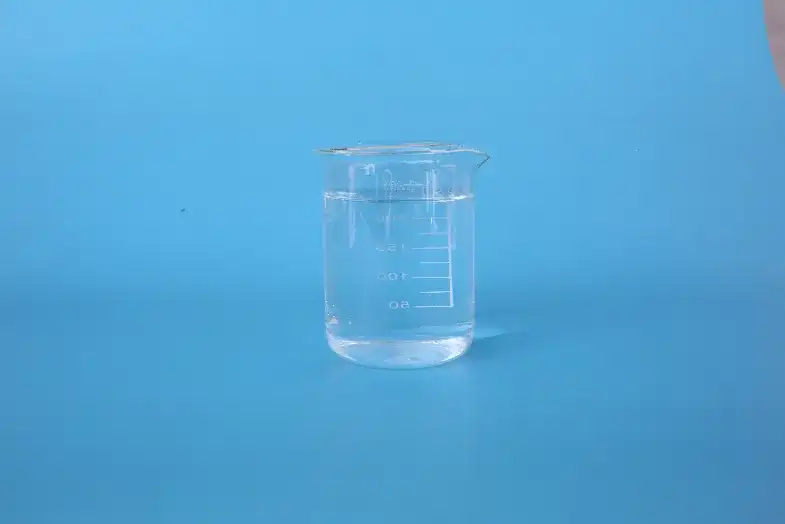
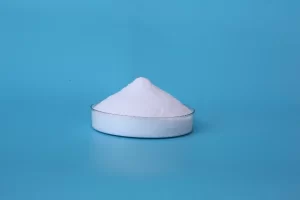
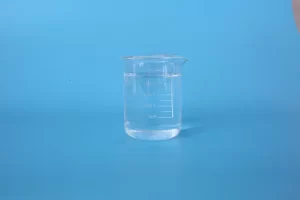
Under optimal conditions, Acrylamide Monomer Crystal typically maintains quality for one to two years. Acrylamide Aqueous Solution stability depends on concentration and inhibitor content, with specific shelf lives varying by product formulation. Cool, dark, dry storage below 25°C is essential for achieving these timeframes.
What packaging specifications matter for acrylamide monomer stability?
Opaque, airtight containers that block UV light and prevent moisture ingress are essential. Crystalline forms require UV-resistant packaging. Aqueous solutions need chemically resistant containers. Nitrogen blanketing inside containers further reduces oxygen exposure and extends stability.
How do I identify degraded acrylamide monomer?
Visual changes like discoloration or particle formation indicate degradation. pH shifts and conductivity increases suggest hydrolysis has occurred. HPLC analysis quantifies acrylic acid content and overall purity. Catching degradation early prevents downstream quality problems that are more costly to address.


 English
 Russian
 Arabic
 Spanish