

Getting acrylamide solution concentration right makes or breaks industrial treatment processes. I’ve watched plants struggle with inconsistent results for months before realizing their dosage calculations were off by seemingly small margins that compounded into major inefficiencies. The relationship between precise chemical dosage and operational outcomes is more direct than most operators initially expect—small adjustments in acrylamide solution concentration can shift cost structures, treatment quality, and environmental compliance simultaneously. What follows covers the practical methodology for optimizing these solutions across different industrial contexts.
Finding the Right Acrylamide Concentration for Your Specific Plant
Determining optimal acrylamide concentration requires moving through several evaluation stages rather than relying on general guidelines. Laboratory testing establishes baseline parameters, pilot studies reveal how those parameters behave under operational stress, and real-world observation catches the variables that controlled environments miss. This progression builds toward polymer dosage optimization that actually holds up in daily operations.
Raw Water Characteristics and Process Requirements Shape Everything
The influent quality at your facility determines where concentration calculations begin. Raw water quality varies considerably—suspended solids levels, turbidity readings, and organic content all influence how acrylamide solutions perform. Beyond characterizing what’s coming in, you need clarity on what needs to go out. Whether the goal is hitting specific sludge dewatering efficiency targets or achieving particular clarification standards, these endpoints guide both acrylamide type selection and initial concentration ranges.
Lab-Scale Testing Reveals What Field Conditions Will Demand
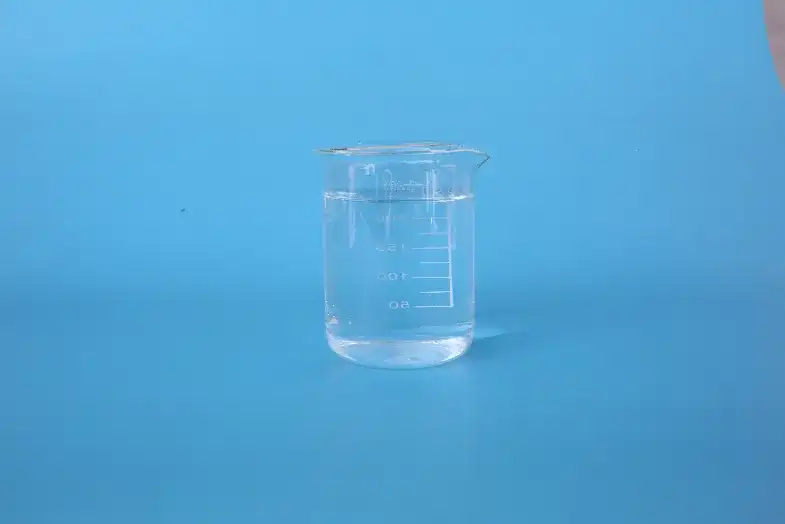
Jar tests simulate full-scale flocculation and sedimentation behavior in a controlled setting. Running these tests systematically narrows down which polymer type works best and establishes a workable dosage range before committing resources to larger trials. Rheological studies add another dimension by analyzing how different acrylamide solution concentrations affect viscosity, which directly impacts mixing behavior and application consistency.
| Parameter | Typical Range | Purpose |
|---|---|---|
| Polymer Dosage | 1-10 ppm | Determine optimal flocculant amount |
| Mixing Speed (Rapid) | 100-150 rpm | Ensure initial polymer dispersion |
| Mixing Speed (Slow) | 20-40 rpm | Promote floc growth and aggregation |
| Settling Time | 1-10 minutes | Evaluate floc settling rate and clarity |
If you’re interested, check 《Nuoer at 25th China International Petroleum & Petrochemical Technology Exhibition》.
Variables That Shift Acrylamide Solution Performance
Multiple factors interact to determine how an acrylamide solution actually performs once deployed. Chemical properties set the baseline, but physical conditions and operational parameters introduce variability that can either support or undermine treatment goals. Recognizing these elements helps explain why the same concentration produces different results across facilities.
Molecular Weight and Charge Density Drive Polymer Behavior
The intrinsic chemistry of acrylamide polymers determines their functional characteristics. Molecular weight controls polymer chain length, which affects how flocculation mechanisms develop. Higher molecular weight polymers generally produce larger, more structurally sound flocs because longer chains can bridge between more particles. Charge density—the concentration of ionic sites along the polymer chain—governs how effectively the polymer neutralizes particle charges. This is why Focus on Cationic Polyacrylamide Flocculant works for negatively charged particles while Focus on Anionic Polyacrylamide targets positively charged suspensions.
pH, Temperature, and Mixing Intensity Create Operational Variables
Environmental and procedural factors alter acrylamide solution efficacy in ways that sometimes surprise operators. pH levels change how anionic and cationic polymers ionize, shifting their effective charge density and treatment performance. Temperature presents another challenge—acrylamide solutions degrade when exposed to elevated temperatures, reducing their effectiveness over time. Mixing intensity requires careful calibration because while initial dispersion needs adequate energy, excessive shear forces break polymer chains and compromise flocculation. Finding the balance between thorough mixing and polymer preservation takes attention.
Why Concentration Precision Matters for Industrial Operations
Getting acrylamide solution concentration wrong creates problems in both directions. Underdosing leaves flocculation incomplete, producing turbid effluents and undermining process efficiency improvement goals. The solids that should have separated remain suspended, and treatment objectives go unmet.
Overdosing wastes chemical inventory, but the problems extend beyond cost. Excess polymer can actually re-stabilize particles that would otherwise settle, reversing the intended treatment effect. Sludge volumes increase rather than decrease. Both scenarios drive operational costs higher and risk pushing facilities out of regulatory compliance. When acrylamide concentration hits the optimal range, resources get used efficiently and treatment outcomes meet specifications consistently.
Industrial Applications Where Acrylamide Solutions Deliver Results
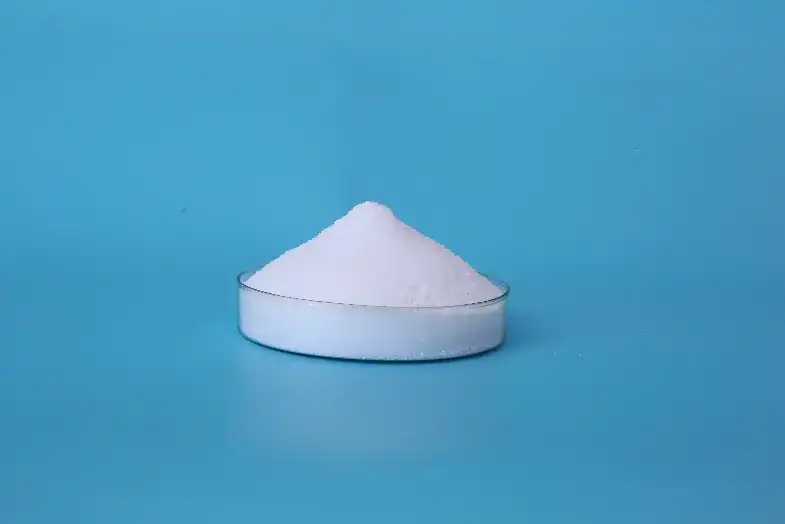
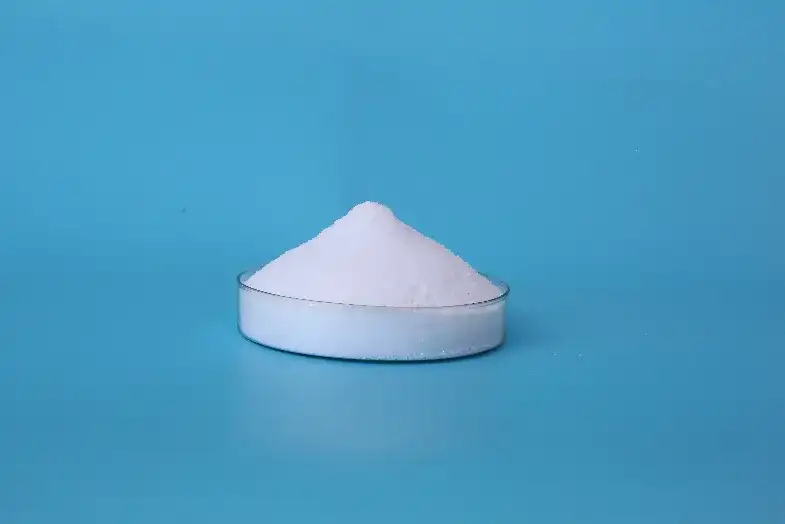
Acrylamide solutions in their polyacrylamide form serve diverse industrial needs. Shandong Nuoer Biological Technology Co., Ltd. manufactures several polyacrylamide product types, including Focus on Polyacrylamide Emulsion, Focus on Amphoteric Polyacrylamide Flocculant, and Focus on Nonionic Polyacrylamide Powder. Each formulation addresses specific process requirements across water treatment, mineral processing, and oil recovery applications.
| Industry | Primary Application | Benefits of Optimized Acrylamide Solution |
|---|---|---|
| Water Treatment | Flocculation, sludge dewatering | Improved water clarity, reduced sludge volume |
| Mining | Tailings dewatering, clarification | Enhanced mineral recovery, efficient water reuse |
| Oil & Gas | Enhanced Oil Recovery (EOR) | Increased oil extraction, reduced water cut |
| Pulp & Paper | Retention aid, drainage aid | Improved paper quality, reduced energy consumption |
| Industrial Wastewater | Solid-liquid separation | Regulatory compliance, lower disposal costs |
If you’re interested, check 《Nuoer Showcased at 26th China IE Expo》.
Handling and Storing Acrylamide Solutions Safely
Acrylamide requires careful management to protect personnel and maintain product quality. The chemical presents health hazards that demand consistent safety protocols throughout handling and storage operations.
Personal protective equipment forms the first line of defense. Chemical-resistant gloves, safety goggles, and protective clothing should be standard whenever working with acrylamide solutions. Ventilation in work areas needs to be adequate for minimizing inhalation exposure. Storage conditions matter for product integrity—cool, dry, well-ventilated spaces away from direct sunlight and incompatible materials preserve solution effectiveness. The Material Safety Data Sheet for your specific acrylamide product provides detailed guidance on handling procedures, storage requirements, and emergency response protocols. Spill containment measures should be established before they’re needed.

If you’re interested, check 《Nuoer at 32nd China International Paper Technology Exhibition 2025》.
Working with Nuoer for Acrylamide Solution Optimization
Shandong Nuoer Biological Technology Co., Ltd. brings over a decade of focused expertise in polyacrylamide, acrylamide, and acrylic acid products. With annual production capacity reaching 300,000 tons of acrylamide and distribution across more than 60 countries, the company combines manufacturing scale with technical depth. Reach the specialist team at +86-532-66712876 or en*****@***er.com for guidance matched to your facility’s specific requirements.
What industries rely most heavily on acrylamide solutions?
Polyacrylamide forms of acrylamide solutions serve water and wastewater treatment facilities for flocculation, clarification, and sludge dewatering. The oil and gas sector uses them for enhanced oil recovery operations. Mining operations apply them for tailings dewatering and process water clarification. Pulp and paper manufacturers rely on them as retention aids and dry strength agents. Each application calls for specific Focus on Acrylamide Aqueous Solution concentrations and polymer types—anionic, cationic, or non-ionic—based on the particles being treated.
How does concentration affect flocculation outcomes?
Acrylamide solution concentration directly determines flocculation results. When concentration falls short, flocs form incompletely, settling slows, and supernatant remains turbid. Treatment effectiveness drops measurably. When concentration runs too high, overdosing can re-stabilize particles rather than settling them, dewatering performance suffers, and chemical costs climb without corresponding benefits. The right polymer dosage produces strong flocs that settle rapidly, optimizing the solid-liquid separation that most treatment processes depend on.
What safety measures apply when handling concentrated acrylamide?
Concentrated acrylamide solutions require strict safety protocols given their potential health effects. Chemical-resistant gloves, safety goggles, and protective clothing should be worn consistently. Work area ventilation must be sufficient to limit inhalation exposure. Storage areas should be cool, dry, and well-ventilated, positioned away from materials that could react with acrylamide. The Material Safety Data Sheet for your specific product contains detailed handling instructions, storage specifications, and emergency procedures that should guide all operations involving these solutions.






 English
 Russian
 Arabic
 Spanish