
Raw material costs define survival in chemical manufacturing. For superabsorbent polymer producers, acrylic acid sits at the center of that equation. Getting this analysis right separates companies that thrive from those that struggle when markets shift. What follows is a practical framework for understanding where the money goes and what you can actually do about it.
Global Acrylic Acid Market Dynamics and Price Drivers
The global acrylic acid market moves unpredictably, and that volatility hits Super Absorbent Polymer Supplier Wholesale production economics hard. Market fluctuations come from supply and demand imbalances, geopolitical tensions, and feedstock availability. Producers who track these external forces can anticipate price shifts and adjust procurement before competitors react.
What Factors Drive Acrylic Acid Price Fluctuations for SAP Manufacturers
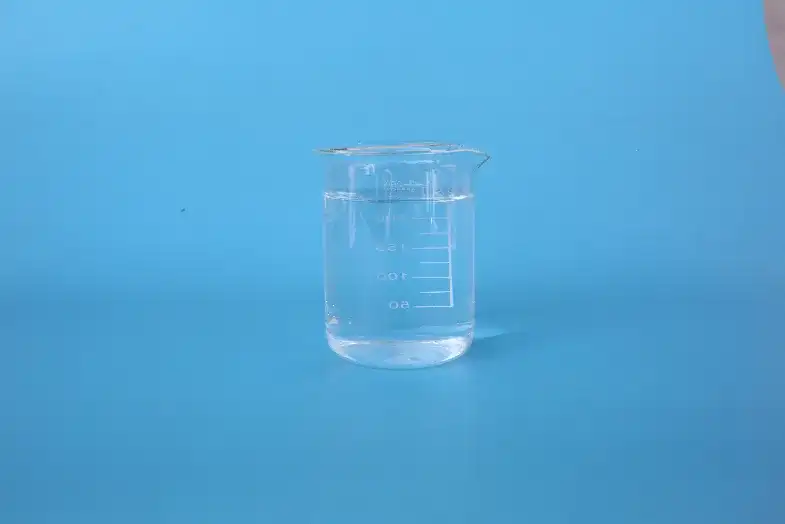
Propylene costs drive most acrylic acid price swings since it serves as the primary petrochemical feedstock. Global crude oil prices flow directly into propylene economics. Plant outages or new production capacities create supply-demand gaps that amplify price movements. Regional regulations and trade policies add another layer of instability. Shandong Nuoer Biological Technology Co. tracks these factors continuously to maintain stable Glacial Acrylic Acid supply for partners.
The past five years show why reactive purchasing fails. The table below captures historical price trends and the forces behind them.
| Year | Average Price (USD/ton) | Key Market Influencers |
|---|---|---|
| 2019 | 1,250 | Stable crude oil prices |
| 2020 | 1,100 | COVID-19 demand drop |
| 2021 | 1,800 | Supply chain disruptions, rising crude oil |
| 2022 | 1,650 | Moderating crude, new capacities |
| 2023 | 1,500 | Balanced supply/demand |
The production value chain starts with crude oil, moves through naphtha refining, propylene cracking, and finally propylene oxidation to produce acrylic acid. Problems at any stage ripple through the entire system, affecting both availability and pricing downstream.
For more on our industry engagement and innovation focus, see 《Nuoer at 25th China International Petroleum & Petrochemical Technology Exhibition》.
Cost Structure Breakdown for Superabsorbent Polymer Manufacturing
Breaking down internal cost components shows exactly where acrylic acid fits in the production picture. Raw materials take the largest share of SAP manufacturing costs. Each element needs examination to find real savings opportunities.
Energy consumption runs high during polymerization and drying. Manufacturing overhead covers depreciation, maintenance, and administrative functions. Labor includes wages, benefits, and training for production staff. None of these can be ignored.
The cost breakdown below shows where the money actually goes in SAP production.
| Cost Category | Percentage of Total Cost |
|---|---|
| Raw Materials | 60-70% |
| Energy | 10-15% |
| Manufacturing Overheads | 8-12% |
| Labor | 5-8% |
| Other | 2-5% |
Improvement requires working across all categories simultaneously. Energy-efficient equipment cuts operational expenses. Streamlined processes reduce waste and boost labor productivity. The gains compound when you address multiple areas at once.
Optimizing Acrylic Acid Procurement for Enhanced SAP Profitability
Procurement strategy determines whether raw material costs eat into margins or support profitability. Long-term relationships and market intelligence form the foundation of effective purchasing.
How Does Acrylic Acid Purity Impact SAP Production Costs
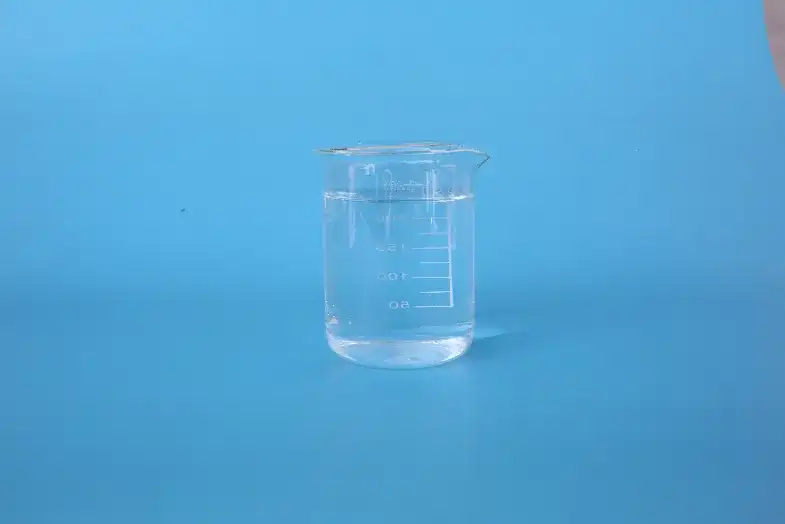
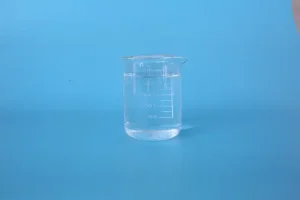
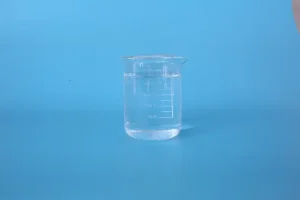
Purity affects production costs through polymerization efficiency and final product quality. Higher purity Glacial Acrylic Acid delivers better reaction yields, cutting raw material waste and energy use during polymerization. Impurities trigger side reactions, lower SAP absorbency, and force additional purification steps. These problems raise manufacturing expenses and hurt product performance in applications like Ultra High Absorbency SAP. Shandong Nuoer Biological Technology Co. supplies high-purity acrylic acid to maintain consistent SAP quality and cost efficiency.
Long-term supply contracts with established manufacturers provide pricing stability. Our own 100,000 tons/year acrylic acid production capacity gives us direct control over a significant portion of supply. Diversified sourcing protects against single-supplier risks. Regular supplier evaluations and relationship building keep the procurement function strong.
Technological Advancements in Acrylic Acid Production and SAP Efficiency
Technology keeps changing both acrylic acid production and SAP manufacturing. These developments open new paths to cost reduction and efficiency gains.
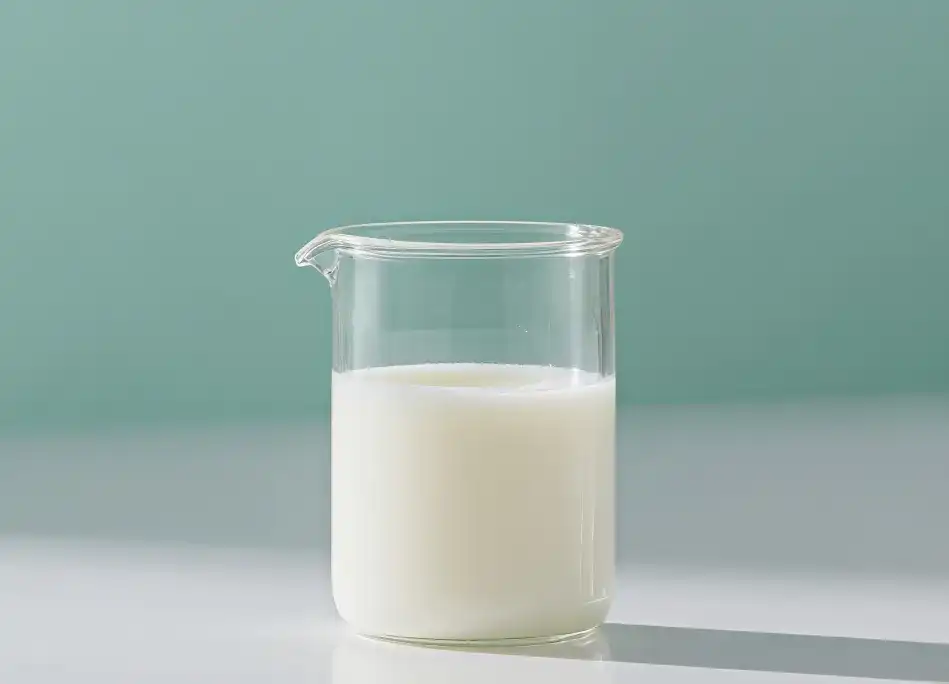
Bio-based acrylic acid from renewable resources represents an emerging alternative. This feedstock option could reduce petrochemical dependence and potentially stabilize pricing over time. Catalyst improvements boost conversion rates and energy efficiency in traditional propylene-based production.
On the SAP side, continuous polymerization techniques improve reaction control and yield. Automation and real-time monitoring cut waste and energy consumption. These advances lower production costs while improving product performance for applications like High Permeability Super Absorbent Polymer.
Risk Mitigation Strategies for Acrylic Acid Price Volatility
Price volatility creates real financial exposure for SAP manufacturers. Managing these risks requires a structured approach to identification, assessment, and mitigation.
What Are the Key Strategies for Mitigating Acrylic Acid Price Volatility in SAP Manufacturing
Long-term supply contracts with reliable suppliers like Shandong Nuoer Biological Technology Co. provide price stability and assured supply. Diversified sourcing across regions and suppliers reduces single-market dependence. Strong inventory management buffers against short-term price spikes. Financial hedging through forward contracts locks in future prices and brings predictability to production cost planning.
Strategic inventory levels protect against short-term market disruptions. Forward contracts cover a portion of future acrylic acid needs at known prices. Multiple qualified suppliers strengthen the supply chain against unexpected events.
For insight into our community involvement, read 《Nuoer Group Donates 300000 RMB to Rongzhuang Village》.
Future Outlook for Acrylic Acid and Superabsorbent Polymer Markets
Both markets will continue evolving as demand grows, sustainability pressures increase, and technology advances. These forces will shape long-term costs and market opportunities.
Global SAP demand should keep growing as populations increase and hygiene product consumption rises. This sustains acrylic acid demand. Regulatory pressure for sustainable products will likely accelerate bio-based acrylic acid development and more efficient SAP production methods. Shandong Nuoer Biological Technology Co. remains committed to these advancements to meet future market requirements.
Partner with Shandong Nuoer Biological Technology Co. for Superior Polymer Solutions
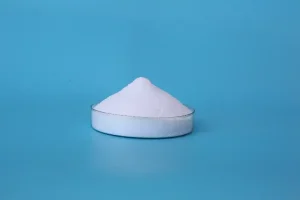
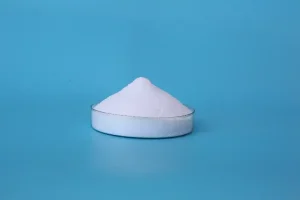
With annual production capacity of 100,000 tons of Glacial Acrylic Acid and 560,000 tons of superabsorbent resin, Shandong Nuoer Biological Technology Co. brings integrated capabilities to partnerships. Our focus on manufacturing quality products and building global brand leadership delivers reliability. Contact us at +86-532-66712876 or en*****@***er.com to discuss how our R&D, production, and service capabilities can strengthen your SAP production and market position.
Frequently Asked Questions About Acrylic Acid and SAP Production Costs
What Is the Primary Driver of Acrylic Acid Cost Fluctuations in the Global Market
Propylene pricing drives most acrylic acid cost fluctuations since it serves as the main petrochemical feedstock. Global crude oil prices, supply-demand dynamics, and regional production capacities all influence market value. Understanding these connected factors matters for effective cost management in Super Absorbent Polymer Supplier Wholesale production.
How Does the Quality of Acrylic Acid Affect the Final Cost and Performance of Superabsorbent Polymers
Acrylic acid purity directly affects polymerization efficiency and end-product performance. Higher purity Glacial Acrylic Acid improves reaction yields, reduces waste, and delivers better SAP properties including absorbency and retention capacity. This optimizes production costs and product value. Shandong Nuoer Biological Technology Co. maintains high-purity acrylic acid for consistent SAP quality.
What Strategies Can SAP Manufacturers Employ to Mitigate the Risks Associated with Volatile Acrylic Acid Pricing
Long-term supply contracts with manufacturers like Shandong Nuoer Biological Technology Co. provide price stability. Diversified sourcing reduces single-market dependence. Sound inventory management practices buffer against price spikes. Financial hedging instruments offer additional protection. Strategic partnerships and robust supply chains maintain cost stability.
What Role Do Technological Advancements Play in Reducing the Cost of Acrylic Acid for SAP Production
Technology improves manufacturing efficiency, enables bio-based feedstock exploration, and optimizes polymerization processes. Catalyst innovations and process engineering advances lower energy consumption and increase yields. These improvements make acrylic acid more cost-effective and SAP products more competitive.
Why Is a Detailed Acrylic Acid Cost Analysis Crucial for the Long-Term Success of Superabsorbent Polymer Businesses
Acrylic acid represents a substantial portion of raw material costs. Understanding market dynamics, internal cost implications, and optimization potential supports informed strategic decisions. This analysis enables competitive pricing, sustained profitability, and growth in the SAP market.


 English
 Russian
 Arabic
 Spanish