

Acrylic acid sits at the heart of modern coating and adhesive chemistry. I’ve watched formulators wrestle with material choices for years, and this monomer keeps showing up in their best work. The carboxyl group and reactive double bond give chemists real control over how polymers behave—whether they need flexibility, toughness, or resistance to whatever environment throws at them. That control translates directly into products that hold up longer and perform more consistently than alternatives built on less versatile chemistry.
Why Acrylic Acid Matters for Advanced Polymer Systems
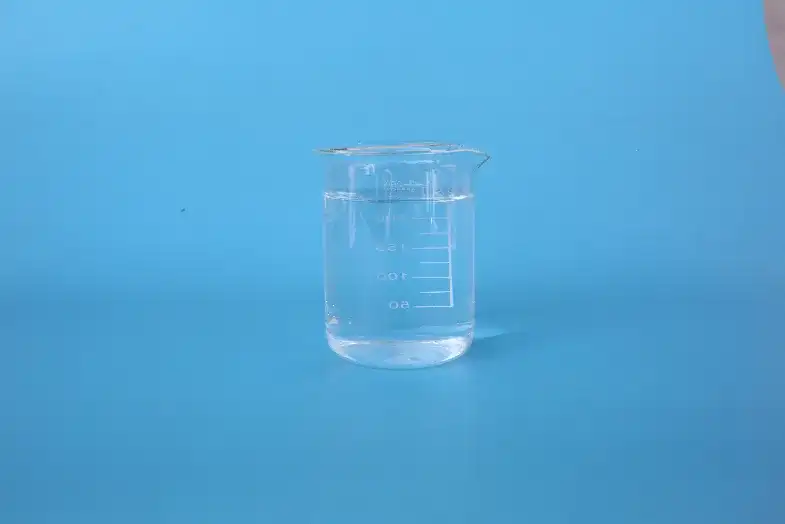
The chemistry here is straightforward but powerful. Glacial Acrylic Acid carries both a carboxyl group and a double bond, which opens up multiple polymerization pathways. Free-radical polymerization is the most common route, and it lets you dial in molecular weight, cross-linking density, and polymer architecture with reasonable precision. The resulting acrylate polymers bring thermal stability, UV resistance, and hydrolytic stability to finished formulations. These aren’t abstract benefits—they show up as coatings that don’t yellow in sunlight and adhesives that maintain bond strength through temperature cycling.
Shandong Nuoer Biological Technology Co., Ltd. produces 100,000 tons of Glacial Acrylic Acid annually, which gives formulators consistent access to high-quality monomer for these polymer syntheses.
What Acrylic Acid Brings to Coating Performance
Coating formulators reach for acrylic acid derivatives because they solve real problems. Film formation improves. Weather resistance goes up. Scratch resistance and gloss retention extend the useful life of finished surfaces. These improvements appear across coating types—UV-curable systems, water-based formulations, and traditional solvent-borne products all benefit from Glacial Acrylic Acid chemistry.
The monomer also functions as a rheology modifier, which matters more than it might sound. Application properties determine whether a coating goes on smoothly or creates headaches on the production line.
Building Tougher Protective Coatings
Protective coatings fail when they lose adhesion or can’t resist chemical attack. Acrylic acid derivatives address both problems. They act as cross-linking agents, building polymer networks dense enough to shrug off abrasion and chemical exposure. The cross-linking also anchors coatings to substrates more securely, which prevents the delamination that ruins otherwise good formulations.
Coatings built with Glacial Acrylic Acid show measurably better corrosion resistance. In industrial environments where equipment faces aggressive chemicals or salt exposure, that resistance translates directly into longer service intervals and lower maintenance costs.
Getting Application Properties Right
Nobody wants a coating that sags during application or dries with an uneven surface. Acrylic acid-based thickeners give formulators precise viscosity control, which keeps film thickness uniform and prevents the drips and runs that waste material and time.
Sprayability improves too. Coatings flow better, level more consistently, and produce smoother finishes. These might seem like minor details, but they compound across production runs. Better application properties mean less rework, less waste, and more consistent quality in finished products.
How Acrylic Acid Strengthens Adhesive Formulations
Adhesive chemistry presents different challenges than coatings, but Glacial Acrylic Acid proves equally useful here. Bond strength, flexibility, and tackiness all improve when acrylic acid derivatives enter the formulation. The monomer copolymerizes readily with other building blocks, which lets chemists tune polymer properties for specific applications.
Water-based adhesives, pressure-sensitive adhesives, and structural adhesives all benefit from this flexibility. The resulting bonds hold up across different substrates and environmental conditions.
| Adhesive Type | Key Performance Improvement | Acrylic Acid Derivative Role |
|---|---|---|
| Pressure-Sensitive Adhesives | Enhanced Tackiness & Cohesion | Contributes to polymer chain flexibility and surface wetting. |
| Water-Based Adhesives | Improved Adhesion & Water Resistance | Facilitates stable emulsion polymerization and enhances film-forming properties. |
| Structural Adhesives | Increased Bond Strength & Durability | Promotes strong interfacial adhesion and provides cross-linking sites for robust networks. |
| Hot-Melt Adhesives | Modulated Viscosity & Adhesion | Influences melt flow characteristics and improves substrate wetting. |
| Solvent-Based Adhesives | Controlled Open Time & Adhesion | Adjusts drying rates and enhances interaction with various surfaces. |
Matching Acrylic Acid Grades to Application Requirements
Not all Glacial Acrylic Acid is interchangeable. Grades differ in purity levels, inhibitor content, and monomer composition. These differences affect polymerization kinetics, final molecular weight, and end-product performance. Regulatory requirements around VOC content add another layer of complexity to grade selection.
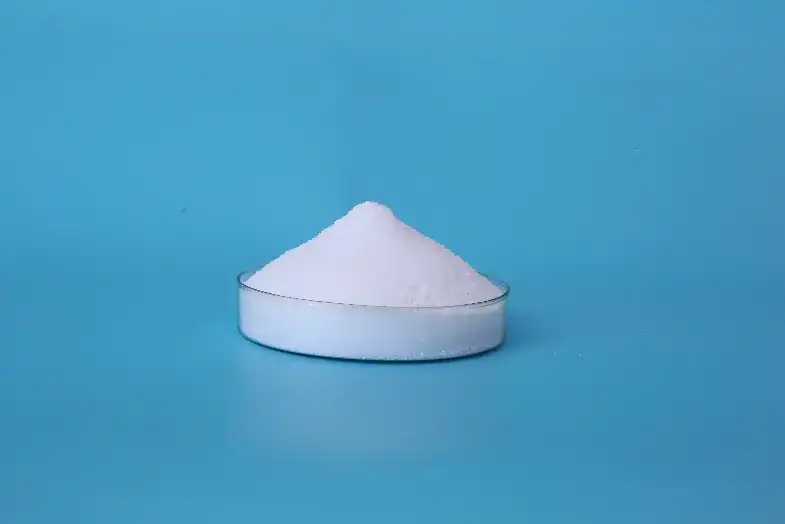
Shandong Nuoer Biological Technology Co., Ltd. provides technical support to help customers identify the right Glacial Acrylic Acid grade for their specific applications. The goal is matching material specifications to performance requirements while meeting compliance standards. The company also supplies Acrylamide Monomer Crystal and Acrylamide Aqueous Solution for applications requiring different polymerization approaches.
Navigating Formulation Challenges and Industry Direction
Environmental regulations keep tightening, which pushes formulators toward lower-VOC and more sustainable options. Bio-based acrylic acid monomers represent one response to this pressure. These alternatives aim to reduce environmental footprint without sacrificing the performance characteristics that make acrylic acid chemistry valuable in the first place.
Research continues on novel polymerization techniques and monomer combinations. The industry is moving toward formulations that satisfy both regulatory requirements and market demand for better-performing, more sustainable products.
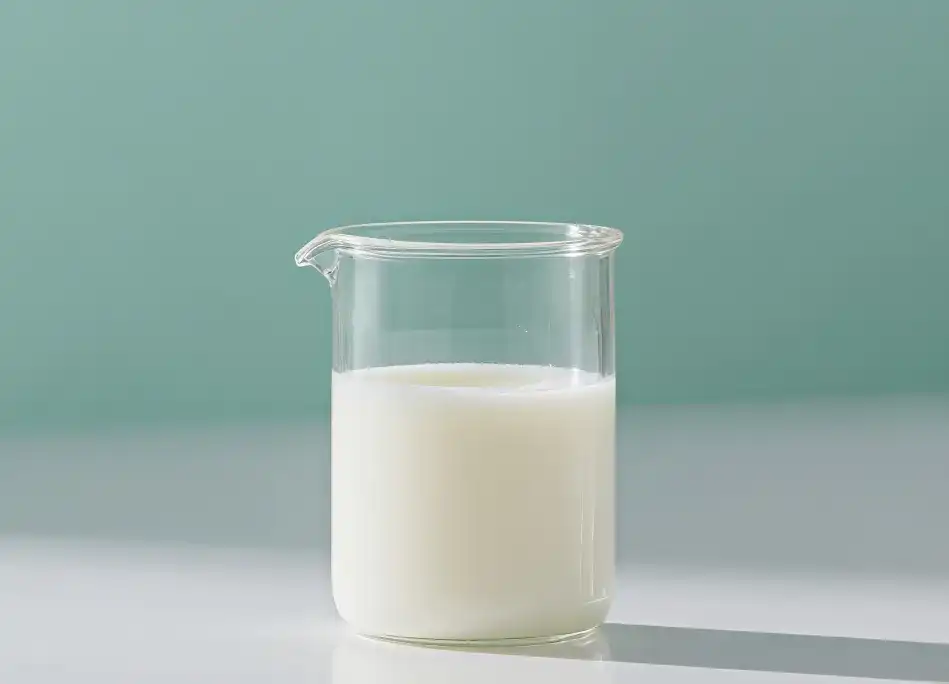
Our work extends beyond acrylic acid into related polymer systems. Research into advanced polyacrylamide materials like Cationic Polyacrylamide Flocculant and Amphoteric Polyacrylamide Flocculant demonstrates ongoing commitment to industrial solutions, particularly in water treatment applications. If you’re interested, check 《Nuoer at 25th China International Petroleum & Petrochemical Technology Exhibition》.
Working with Shandong Nuoer Biological Technology
Shandong Nuoer Biological Technology Co., Ltd. operates as a global manufacturer with 100,000 tons of annual Glacial Acrylic Acid production capacity. Our global sales network and focus on product quality ensure reliable supply and technical support for demanding coating and adhesive applications. Contact us to discuss your specific requirements and explore how our expertise can support your formulation work. Email: en*****@***er.com, Phone: +86-532-66712876.
Frequently Asked Questions
What performance improvements does acrylic acid deliver in coatings?
Acrylic acid improves adhesion, durability, weather resistance, and rheological behavior in coating formulations. Films form more consistently, and finished coatings last longer under environmental stress. Both UV-curable and water-based systems show measurable performance gains when Glacial Acrylic Acid chemistry is incorporated properly.
How does acrylic acid strengthen adhesive bonds?
Glacial Acrylic Acid derivatives boost bond strength, flexibility, and tackiness in adhesive formulations. The monomer’s ability to copolymerize with other building blocks allows chemists to optimize polymer properties for specific substrates and service conditions. Pressure-sensitive, structural, and water-based adhesives all benefit from this chemical flexibility.
Which acrylic acid grades work best for industrial applications?
Industrial coating and adhesive applications use Glacial Acrylic Acid grades differentiated by purity and monomer composition. The right grade depends on target performance characteristics, regulatory compliance requirements, and polymerization process parameters. Technical consultation helps match material specifications to application needs.
Does acrylic acid fit into sustainable formulation strategies?
The industry is actively developing bio-based Glacial Acrylic Acid options and cleaner production processes. Traditional acrylic acid remains widely used, but ongoing research aims to reduce environmental impact while maintaining the performance characteristics formulators depend on.
What safety measures apply when handling acrylic acid?
Glacial Acrylic Acid requires careful handling due to its corrosive and irritant properties. Proper ventilation, personal protective equipment, and appropriate storage conditions are essential. Shandong Nuoer Biological Technology Co., Ltd. provides comprehensive safety data sheets and technical guidance to support safe industrial use.



 English
 Russian
 Arabic
 Spanish