
Acrylic acid sits at the center of a lot of what we make and use. Its reactive double bond and carboxylic acid group open up reliable polymerization routes, and the way purity and processing are handled determines how well those polymers perform. From large-scale oxidation of propylene to glacial-grade purification with inhibitor control, the production chain is built for consistency. The result feeds everything from superabsorbent polymers and coatings to adhesives and rheology modifiers, with research pushing into bio-based sourcing, controlled radical methods like ATRP and RAFT, and responsive hydrogels. We work across that full span, with the capacity and quality systems needed to deliver dependable monomer supply.
Fundamental Chemistry of Acrylic Acid in Polymer Synthesis
Acrylic acid (CH₂=CHCOOH) is a crucial organic compound, distinguished by its vinyl group and carboxylic acid functionality. This bifunctional nature enables it to undergo various polymerization reactions, forming long-chain polymers. The carbon-carbon double bond in the vinyl group is highly reactive, making it an excellent monomer for addition polymerization. This process involves monomers adding to one another in a chain reaction, typically initiated by free radicals. The carboxylic acid group contributes polarity and provides sites for further chemical modification or cross-linking.
Free radical polymerization is the most common industrial method for synthesizing acrylic acid polymers. Initiators like peroxides or azo compounds generate free radicals, which attack the double bond of the acrylic acid monomer, forming a new radical. This radical then reacts with another monomer, propagating the chain. The reaction continues until two radicals combine, terminating the chain. This mechanism allows for the production of high molecular weight polymers with controlled architectures.
Anionic polymerization of acrylic acid is also possible, though less common for industrial bulk production. This method involves initiation by strong bases, creating a carbanion that propagates the chain. Anionic polymerization offers greater control over polymer architecture and molecular weight distribution, often yielding narrower polydispersity indices. However, it requires stringent conditions, such as anhydrous environments, due to the sensitivity of carbanions to protic solvents.
The reactivity of acrylic acid is influenced by its electronic structure. The electron-withdrawing carboxylic acid group activates the double bond towards nucleophilic attack and stabilizes the propagating radical or anion. This inherent reactivity makes acrylic acid a versatile building block for copolymers, where it can be combined with other monomers to achieve specific material properties. Maintaining high monomer purity is vital; even trace impurities can act as chain transfer agents or inhibitors, leading to lower molecular weights or incomplete polymerization. Shandong Nuoer Biological Technology Co., Ltd. ensures the required purity for optimal polymerization outcomes.
Industrial Production and Quality Standards for Acrylic Acid
The industrial production of acrylic acid involves large-scale chemical engineering processes designed for efficiency and purity. The primary industrial route is the two-step catalytic oxidation of propylene. In the first step, propylene is oxidized to acrolein, followed by a second catalytic oxidation to produce acrylic acid. This process is highly optimized to maximize yield and minimize by-product formation. Other methods, such as the Reppe process using acetylene and carbon monoxide, or the oxidation of propane, are also employed but less prevalent.
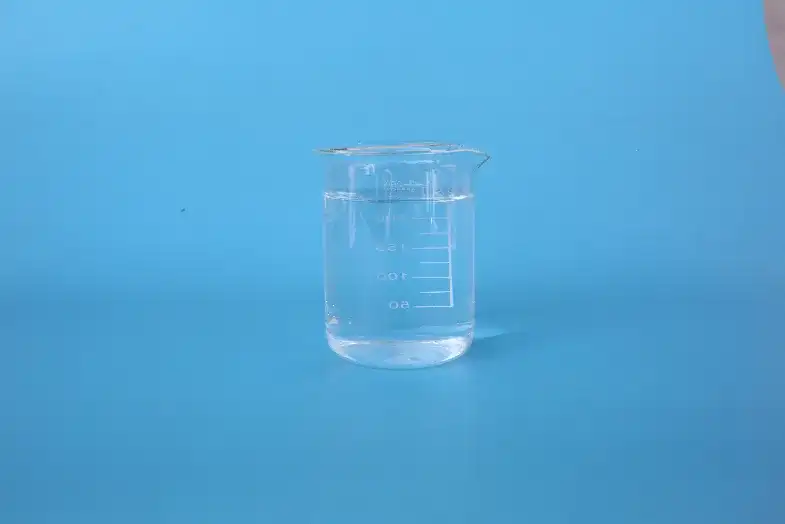
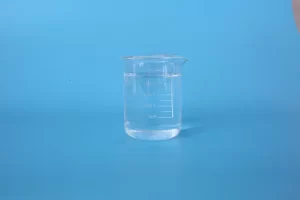
After synthesis, crude acrylic acid undergoes rigorous purification steps, including distillation, to achieve the required purity for polymer applications. Glacial acrylic acid, a high-purity form (typically >99.5%), is often specified for demanding applications. Inhibitor systems are critical during storage and transportation to prevent premature polymerization. Common inhibitors include hydroquinone monomethyl ether (HQME), which scavenges free radicals, ensuring the monomer remains stable until use.
Quality control for monomers like acrylic acid is paramount. Analytical techniques such as gas chromatography (GC) and high-performance liquid chromatography (HPLC) are used to quantify purity and detect trace impurities. Spectroscopic methods, including FTIR and NMR, confirm molecular structure. Shandong Nuoer, with an annual production capacity of 100,000 tons of acrylic acid, adheres to stringent quality standards, ensuring our customers receive consistent, high-performance material. This commitment to quality supports reliable industrial polymer production globally.
Manufacturing Processes and Purity Requirements
Manufacturing processes for acrylic acid prioritize high conversion rates and product purity. The two-stage propylene oxidation process is the industry standard, utilizing specialized catalysts for each reaction step. The first stage converts propylene to acrolein, while the second stage oxidizes acrolein to acrylic acid. These catalytic reactions are exothermic and require precise temperature control to optimize selectivity and yield.
Post-reaction, the crude acrylic acid stream contains unreacted feedstocks, by-products, and water. A series of separation and purification units, including extractive distillation and crystallization, are employed to remove these impurities. The goal is to produce glacial acrylic acid with minimal water content and very low levels of aldehydes and other organic impurities. These specifications are critical because impurities can interfere with polymerization kinetics, leading to defects in the polymer structure and reduced performance.
Inhibitor systems are incorporated into the purified acrylic acid to prevent spontaneous polymerization during storage and transport. These inhibitors are carefully selected to be effective at ambient temperatures but easily removed or deactivated during the polymerization process. Regular quality control checks, including monitoring inhibitor levels and impurity profiles, are essential to maintain product integrity. Our manufacturing facilities employ advanced process control systems and analytical laboratories to ensure every batch of Glacial Acrylic Acid meets or exceeds industry standards.
Diverse Applications of Acrylic Acid Derived Polymers
Polymers derived from acrylic acid exhibit a broad spectrum of properties, making them indispensable across numerous industries. The versatility stems from the ability to control molecular weight, cross-linking density, and copolymer composition. These polymers serve critical functions in areas ranging from hygiene products to construction materials. The global demand for acrylic acid derivatives continues to grow, driven by innovation and performance requirements.
High Performance Superabsorbent Polymers
Superabsorbent polymers (SAPs) represent a significant application for acrylic acid. These cross-linked polyacrylates can absorb and retain hundreds of times their own weight in water, forming a stable hydrogel. This property is vital for products requiring high water retention, such as baby diapers, adult incontinence products, and feminine hygiene items. The synthesis involves polymerizing acrylic acid with a cross-linking agent, creating a network structure that traps water molecules.
The performance of SAPs is characterized by their absorption capacity under load (AUL) and centrifugal retention capacity (CRC). Shandong Nuoer offers various SAP grades, including Ultra High Absorbency SAP (MODEL: SAP NR-611) and High Permeability Super Absorbent Polymer (MODEL: SAP NR-760K), each tailored for specific performance requirements. These products feature fast absorption rates, high pure water absorption capacity, and excellent water retention, even under pressure. Low residual monomer content ensures safety and environmental compliance.
SAPs are also increasingly utilized in agriculture for water retention in soils, in construction for moisture management, and in medical applications for wound dressings. The ability to customize SAP properties by adjusting cross-linking density and monomer composition allows for continuous innovation in these diverse fields.
Polyacrylates in Coatings Adhesives and Thickeners
Polyacrylates, formed from acrylic acid and its esters, are widely used in coatings, adhesives, and as rheology modifiers. Their excellent film-forming properties, weather resistance, and adhesion make them ideal for protective and decorative coatings. Acrylic emulsions are prevalent in architectural paints, providing durability and low VOC (volatile organic compound) formulations.
In adhesives, acrylic polymers offer strong bonding, flexibility, and resistance to environmental factors. Pressure-sensitive adhesives (PSAs) for tapes and labels, as well as structural adhesives, frequently utilize acrylic formulations. The ability to tailor the glass transition temperature (Tg) of acrylic copolymers allows for a wide range of adhesive properties, from soft and tacky to hard and rigid.
As rheology modifiers, polyacrylates are employed to control the viscosity and flow behavior of liquids. They act as thickeners in various products, including paints, cosmetics, and drilling fluids. For instance, Polyacrylamide Supplier OEM are used in water treatment as flocculants. The carboxylic acid groups in acrylic acid polymers can be neutralized to form salts, which swell in water and increase viscosity. This makes them effective in systems requiring precise rheological control.
| Application Category | Key Polymer Property | Example Product |
|---|---|---|
| Superabsorbent | High Water Retention | Diapers |
| Coatings | Weather Resistance | Architectural Paint |
| Adhesives | Strong Adhesion | Pressure-Sensitive Tape |
| Thickeners | Viscosity Control | Drilling Fluids |
| Water Treatment | Flocculation | Wastewater Treatment |
Future Trends and Innovation in Acrylic Acid Polymer Technology
The future of acrylic acid polymer technology is shaped by advancements in sustainable production, enhanced performance, and novel applications. Research and development efforts focus on reducing environmental impact and improving material efficiency. We anticipate continued innovation in polymerization techniques and monomer sourcing.
One significant trend is the development of bio-based acrylic acid. This involves producing acrylic acid from renewable feedstocks such as biomass, rather than fossil fuels. Bio-based routes aim to reduce the carbon footprint of acrylic acid production, aligning with global sustainability goals. While still in early stages of commercialization, these technologies hold promise for a more environmentally friendly chemical industry.
Advancements in polymerization techniques are also driving innovation. Controlled radical polymerization methods, such as ATRP (Atom Transfer Radical Polymerization) and RAFT (Reversible Addition-Fragmentation Chain Transfer), allow for precise control over polymer architecture, molecular weight, and polydispersity. These techniques enable the synthesis of advanced materials with highly specific properties for niche applications.
The circular economy model is influencing polymer design, with a focus on developing recyclable or biodegradable acrylic polymers. This includes exploring new cross-linking chemistries that allow for depolymerization or the creation of polymers that degrade into environmentally benign compounds. Shandong Nuoer is committed to exploring these sustainable solutions to meet evolving market demands.
Furthermore, the integration of smart materials and responsive polymers is an emerging area. Acrylic acid-based hydrogels, for example, can be designed to respond to external stimuli such as pH, temperature, or electric fields, opening doors for applications in drug delivery, sensors, and actuators. These innovations underscore the dynamic nature of acrylic acid polymer technology.
Partner with Shandong Nuoer for Advanced Polymer Solutions
Shandong Nuoer Biological Technology Co., Ltd. is a leading global supplier of high-quality acrylic acid, polyacrylamide, and superabsorbent resin products. With an annual production capacity of 100,000 tons of acrylic acid and a robust global sales network, we are committed to delivering exceptional value and innovative solutions for your industrial polymer production needs. Partner with us to achieve unparalleled product performance and supply chain reliability. Contact our expert team today to discuss your specific requirements and explore how our advanced materials can elevate your applications.
Phone:+86-532-66712876
Email:en*****@***er.com
Frequently Asked Questions
What are the primary industrial uses of acrylic acid in polymer manufacturing?
Acrylic acid is primarily used as a monomer in the production of a wide range of industrial polymers, including General Purpose Super Absorbent Polymer (SAPs) for hygiene products, polyacrylates for coatings, adhesives, and thickeners, and polyacrylamides for water treatment and enhanced oil recovery. Its unique chemical structure allows for the creation of polymers with diverse and highly customizable properties crucial for various industrial applications.
How does the purity of acrylic acid impact the quality of industrial polymers?
The purity of acrylic acid is paramount for achieving high-quality industrial polymers. Impurities can interfere with polymerization kinetics, lead to defects in the polymer structure, reduce molecular weight, and negatively affect the final product’s performance characteristics such as absorption capacity in SAPs or adhesion strength in polyacrylates. Strict quality control during acrylic acid production, like that maintained by Shandong Nuoer, ensures consistent monomer quality for superior polymer outcomes.
What are the key considerations for sourcing acrylic acid for large-scale industrial polymer production?
Key considerations for sourcing acrylic acid for large-scale industrial polymer production include ensuring consistent supply reliability, competitive pricing, stringent quality and purity specifications (e.g., glacial acrylic acid), and a supplier’s capacity for global distribution. Strategic partnerships with established manufacturers like Shandong Nuoer, with significant production capacities and a global sales network, are crucial for maintaining efficient and stable production lines.
Are there sustainable alternatives or production methods for acrylic acid in polymer synthesis?
Yes, the industry is increasingly exploring sustainable alternatives and production methods for acrylic acid. This includes the development of bio-based acrylic acid derived from renewable feedstocks, as well as more energy-efficient and environmentally friendly catalytic processes for conventional production. These innovations aim to reduce the carbon footprint and enhance the sustainability profile of acrylic acid and its derived industrial polymers.


 English
 Russian
 Arabic
 Spanish