
Glacial Acrylic Acid in Diaper Core Materials
The chemistry behind a dry diaper is more sophisticated than most people realize. What keeps a baby comfortable through the night comes down to molecular-level engineering, and at the center of that engineering sits one compound: acrylic acid. This piece breaks down how Glacial Acrylic Acid functions in diaper technology, what makes quality matter so much, and where the field is heading.
How Acrylic Acid Builds the Absorbent Core
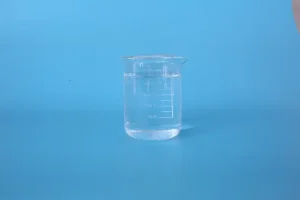
Acrylic acid serves as the foundational monomer for superabsorbent polymers, the material that does the heavy lifting in modern diapers. The molecule carries a carboxyl group that makes polymerization and crosslinking possible. When these reactions happen correctly, you end up with a polymer network that loves water and can hold many times its own weight in liquid.
The degree of crosslinking density during superabsorbent polymer synthesis determines how much fluid the final product can absorb and keep locked away. Get this wrong, and the diaper fails. Get it right, and you have a material that manages moisture better than anything else available.
What Makes Glacial Acrylic Acid Work for Diaper Cores
Several characteristics make Glacial Acrylic Acid suitable for this application. Purity tops the list. When you start with a clean monomer, side reactions stay minimal and polymerization proceeds predictably. A low impurity profile also means fewer unwanted compounds in the final product, which matters for something worn against skin.
Consistent reactivity allows manufacturers to produce SAPs reliably at scale. Batch-to-batch variation creates problems in production lines and end products alike. These attributes work together to deliver the absorbency performance that modern diapers require.
Quality Variations and Their Consequences
The quality of Glacial Acrylic Acid shows up directly in SAP performance. Impurities interfere with polymerization, producing a less organized polymer network. The result is reduced absorbency and weaker retention. Monomer stability matters too, since degradation introduces contaminants that compromise both function and safety.
Shandong Nuoer Biological Technology Co., Ltd. supplies high-grade Glacial Acrylic Acid specifically to address these concerns. A stable polymer structure means better fluid management and compliance with material safety requirements.
Engineering SAPs for Real-World Performance
Designing superabsorbent polymers involves balancing multiple performance factors. The material needs to absorb fluid quickly, hold onto it under pressure, and prevent leakage. The properties of Glacial Acrylic Acid make these design goals achievable.
The resulting hydrogels lock moisture away from skin, which prevents irritation and maintains comfort. Advanced SAP technology continues to push these capabilities further.
Pushing Absorbency Through Chemical Modification
Acrylic acid derivatives and controlled crosslinking open pathways to enhanced performance. By adjusting the chemistry, engineers can create hydrogels that retain fluid even when compressed. This matters for diapers that need to perform during movement and extended wear periods.
Production and Quality Assurance
Industrial production of Glacial Acrylic Acid follows strict protocols to achieve the purity and consistency that hygiene products demand. Advanced chemical manufacturing standards govern every step. Impurity analysis and continuous monitoring throughout production ensure that specifications are met.
Quality assurance in polymer raw materials cannot be an afterthought. The reliability of the final SAP depends on it.
Maintaining Supply Chain Integrity
Purity and consistency in Glacial Acrylic Acid supply require attention at multiple points. Shandong Nuoer Biological Technology Co., Ltd. maintains robust raw material sourcing and supplier qualification processes. Comprehensive analytical testing on every batch verifies that specifications are met.
Full product traceability supports this approach, giving manufacturers confidence in the materials they receive.
Safety and Environmental Factors
The safety profiles of Glacial Acrylic Acid and its derived polymers receive careful examination. Environmental impact assessments guide production practices to minimize ecological effects. Sustainable diaper materials represent an ongoing area of development, with biodegradability of SAPs receiving particular attention.
Regulatory compliance forms the foundation for responsible production and use.
Meeting Regulatory Requirements
Glacial Acrylic Acid and SAPs used in diaper manufacturing must satisfy multiple regulatory frameworks. REACH compliance and FDA regulations for polymers in hygiene products apply. International hygiene product standards and consumer safety regulations govern market access.
Conforming to these requirements ensures product integrity and facilitates global distribution.
Where the Technology Is Heading
Several developments are reshaping Glacial Acrylic Acid chemistry and SAP technology. Bio-based Glacial Acrylic Acid alternatives are gaining traction as sustainability becomes more important to manufacturers and consumers.
Polymer science advances continue to improve absorbency, retention, and biodegradability. Smart diaper technologies that provide real-time moisture detection represent another frontier, with advanced SAPs enabling new functionality.
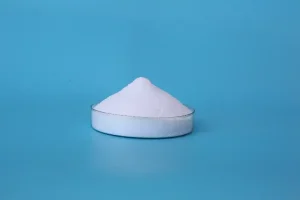
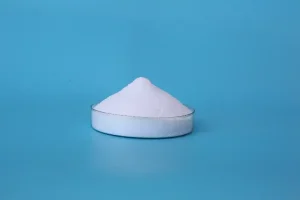
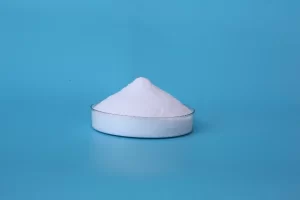
| SAP Model (Nuoer) | Key Feature | Primary Application | Absorption Rate | Retention Capacity |
|---|---|---|---|---|
| SAP NR860 | Fast absorption, high absorbency | General hygiene products | Fast | High |
| SAP NR-760K | High liquid permeability | Baby/adult diapers | Fast | Excellent |
| SAP NR-760H | Balanced performance | Diapers | Fast | Good |
| SAP NR-611 | Ultra high CRC | Baby/adult diapers | Very Fast | Excellent |
Working with Shandong Nuoer Biological Technology
Shandong Nuoer Biological Technology Co., Ltd. produces high-purity Glacial Acrylic Acid for superabsorbent polymer applications in diaper core materials. With annual production capacity of 100,000 tons and global distribution capabilities, we support manufacturers who need consistent quality and reliable supply.
Contact us to discuss your requirements and learn how our materials can support your diaper manufacturing operations.
Phone: +86-532-66712876 | Email: en*****@***er.com
Frequently Asked Questions About Acrylic Acid in Diaper Core Materials
What are the key properties of acrylic acid that make it ideal for diaper core materials?
Glacial Acrylic Acid carries carboxyl groups that enable efficient polymerization and crosslinking to form superabsorbent polymers. These properties allow SAPs to absorb and retain large fluid volumes, which is what diaper core materials need to do. High purity, consistent reactivity, and low impurity profiles contribute to both performance and safety in hygiene products.
How does the quality of acrylic acid impact the performance and safety of superabsorbent polymers in diapers?
Glacial Acrylic Acid quality affects absorbency, retention capacity, and safety of the resulting superabsorbent polymers. Impurities cause inconsistent polymerization, reduced absorption efficiency, and potential skin irritation. High-grade Glacial Acrylic Acid produces a stable polymer structure that maximizes fluid management and meets safety standards for diaper core materials.
What are the future trends and innovations in acrylic acid based superabsorbent technology for hygiene products?
Future developments include bio-based Glacial Acrylic Acid for improved sustainability, advanced crosslinking techniques for higher absorbency and retention under pressure, and integration of smart functionalities. These advances aim to produce more environmentally responsible, efficient, and comfortable diaper core materials.


 English
 Russian
 Arabic
 Spanish