

Amphoteric Polyacrylamide Manufacturers Testing: Quality Protocols That Actually Matter
Working with amphoteric polyacrylamide across different industrial settings reveals something quickly: the polymer’s dual-charge structure creates both opportunities and complications. Those positive and negative charges distributed along the chain give it remarkable flexibility across pH ranges, but they also mean quality control becomes genuinely complex. Manufacturers who test rigorously produce consistent results. Those who cut corners create headaches downstream.
What Makes Amphoteric Polyacrylamide Different From Standard Variants
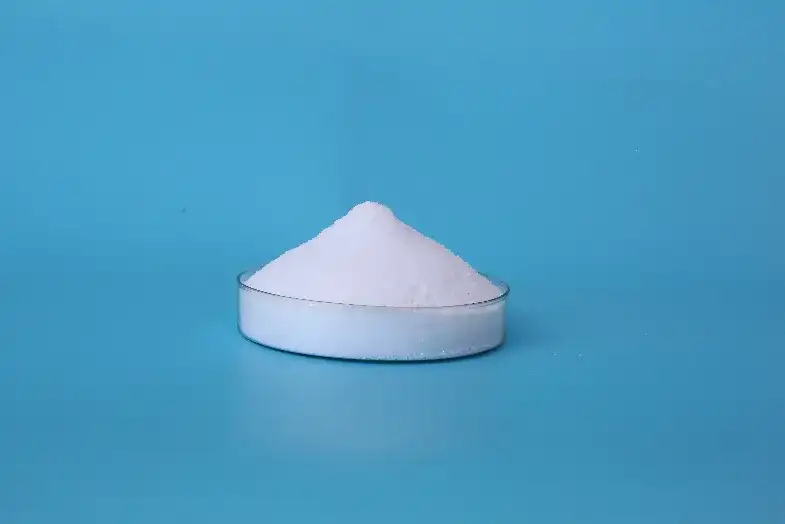
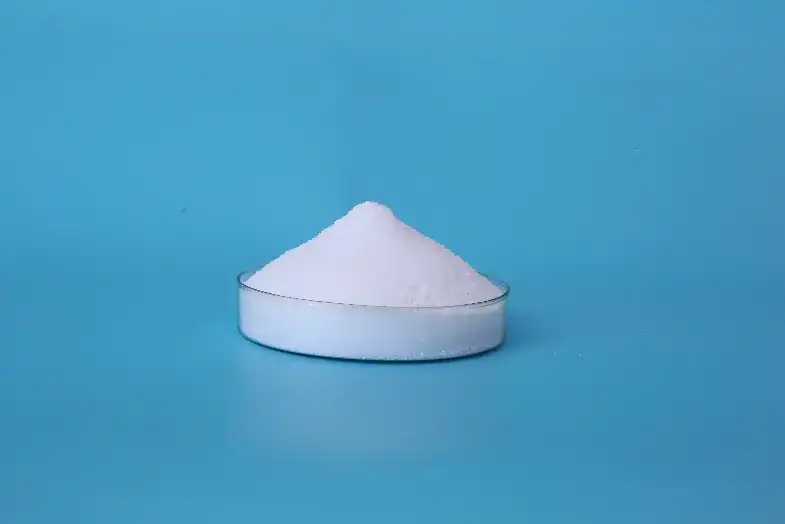
Amphoteric polyacrylamide emerges from a ternary copolymerization process combining cationic monomers, acrylamide, and a hydrolyzing agent. The resulting polymer carries an irregular distribution of positive and negative charges along its backbone. This charge arrangement lets the molecule interact effectively with suspended particles regardless of whether those particles carry positive or negative surface charges.
The practical consequence is adaptability. Standard cationic or anionic polyacrylamides work well within narrow pH windows. Amphoteric versions maintain performance across broader conditions. Key amphoteric polyacrylamide properties include superior pH stability and molecular weight distributions that can be tuned for specific applications.
Industrial use spans several sectors with distinct requirements. Water treatment facilities deploy it as a flocculant where it accelerates solid-liquid separation and improves sludge dewatering outcomes. Paper mills rely on it as a retention aid that enhances drainage and sheet formation. Oilfield operations use amphoteric polyacrylamide as a demulsifier and for enhanced oil recovery processes. Mining operations incorporate these mining industry chemicals for mineral processing and tailings management.
| Application Sector | Primary Function | Key Benefit |
|---|---|---|
| Water Treatment | Flocculant | Improved separation efficiency |
| Paper Making | Retention Aid | Enhanced drainage, better sheet formation |
| Oilfield | Demulsifier | Efficient oil-water separation |
| Mining | Flocculant | Faster dewatering of slurries |
Testing Protocols That Separate Reliable Manufacturers From The Rest
Manufacturers who take amphoteric polyacrylamide quality assurance seriously implement testing at multiple production stages. These methods evaluate physical and chemical characteristics against application-specific benchmarks. Comprehensive testing catches inconsistencies before they reach customers and cause operational problems.

Parameters That Define Amphoteric Polyacrylamide Quality
Ionic balance sits at the center of quality evaluation. The ratio and distribution of positive to negative charges determines how the polymer interacts with different substrates. Get this wrong and flocculation performance suffers unpredictably.
Hydrolysis resistance matters for applications involving harsh chemical environments or elevated temperatures. Polymers that degrade under process conditions create inconsistent results and require higher dosing rates. Storage stability testing confirms the product maintains effectiveness during warehousing and transportation. Polymer purity assessments focus particularly on residual monomer content. Low residual acrylamide levels protect both environmental compliance and downstream process performance.
How Batch Consistency Gets Maintained
Robust quality management systems form the foundation. Manufacturers following ISO certification standards like ISO 9001 demonstrate systematic approaches to quality control. Statistical process control monitors production variations in real time, flagging deviations before they compound into batch-wide problems.
Traceability systems track each batch from raw material receipt through finished product shipment. When issues surface in the field, this documentation allows rapid identification of root causes and affected inventory.
Evaluating Amphoteric Polyacrylamide Manufacturers Beyond Spec Sheets
Product specifications tell part of the story. Selecting a reliable amphoteric polyacrylamide manufacturer requires examining several additional factors that affect long-term supplier relationships.
Manufacturer reputation builds over time through consistent delivery of quality products and responsive customer service. Companies with strong R&D capabilities tend to solve application problems faster and develop improved formulations. Production capacity must match your demand profile. Supply disruptions during critical operations create cascading problems.
Technical support availability matters when applications behave unexpectedly. Manufacturers who understand how their products perform across varied conditions provide more useful guidance than those offering generic recommendations. Global distribution networks indicate logistical capability and market commitment.
Customer testimonials offer perspective on real-world supplier performance. Facility audits, where possible, reveal whether quality systems exist on paper or in practice.
For those interested in how manufacturers contribute to community development, exploring initiatives like 《Nuoer Group Donates 300000 RMB to Rongzhuang Village》 can offer additional insights into a company’s values.
Regulatory Requirements That Shape Manufacturing Standards
Regulatory compliance and certifications establish baseline expectations for amphoteric polyacrylamide manufacturers. These standards address product safety, environmental responsibility, and market access requirements.
REACH compliance governs products entering European Union markets. The regulation covers chemical registration, evaluation, authorization, and restriction. Non-compliance blocks market access entirely. NSF certification becomes mandatory for amphoteric polyacrylamide used in drinking water treatment applications. This certification confirms product safety for human consumption through independent testing and facility audits.
Regional drinking water treatment regulations and environmental safety standards vary but share common themes around protecting public health and ecosystems. Manufacturers must provide comprehensive product data sheets and material safety data sheets detailing chemical properties, handling procedures, and safety information. Meeting global chemical regulations enables international trade while demonstrating responsible product stewardship.
| Certification/Standard | Scope | Importance |
|---|---|---|
| ISO 9001 | Quality Management | Ensures consistent product quality |
| ISO 14001 | Environmental Management | Demonstrates environmental responsibility |
| REACH Compliance | EU Chemical Regulation | Mandates safe chemical use in EU |
| NSF/ANSI 60 | Drinking Water Treatment | Certifies product safety for potable water |
| OHSAS 18001 | Occupational Health & Safety | Ensures safe working conditions |
Certifications Worth Verifying When Selecting Suppliers
Focus on ISO 9001 for quality management systems and ISO 14001 for environmental management. OHSAS 18001 or its successor ISO 45001 indicates attention to occupational health and safety practices. NSF/ANSI 60 certification is non-negotiable for drinking water treatment applications. Product registration with relevant national and international chemical authorities demonstrates regulatory compliance and market legitimacy.
Custom Formulations That Match Specific Process Conditions
Standard amphoteric polyacrylamide products work adequately in many situations. Optimizing performance for specific applications often requires custom formulations developed through manufacturer collaboration.
This process starts with understanding the unique challenges of each industrial operation. Water chemistry, particle characteristics, temperature ranges, and throughput requirements all influence optimal polymer selection. Technical consultation services provide expert guidance on product selection and dosage optimization strategies.
Field trials validate customized solutions under actual operating conditions. Laboratory performance rarely translates perfectly to full-scale operations. Testing at scale identifies adjustments needed before committing to production quantities. This iterative approach helps in troubleshooting polyacrylamide issues and refining formulations for superior results.
A customized amphoteric polyacrylamide flocculant for industrial wastewater can significantly improve effluent quality while reducing treatment costs. The investment in development typically pays back through operational savings.
Long-Term System Reliability Depends on Upstream Testing Quality
Manufacturer testing protocols directly affect downstream operational reliability. Stringent quality verification prevents failures by confirming product consistency before shipment. This translates to reduced downtime and enhanced efficiency in critical industrial processes.
Substandard amphoteric polyacrylamide creates multiple problems. Inconsistent flocculation performance leads to variable effluent quality. Equipment designed for specific polymer characteristics may experience accelerated wear or fouling when fed off-spec material. Process upsets cascade through interconnected systems.
High-quality amphoteric polyacrylamide supports environmental compliance by effectively treating wastewater and reducing pollutant discharge. Regulatory violations carry financial penalties and reputational damage that far exceed the cost difference between premium and marginal suppliers.
Long-term cost savings accumulate through reduced maintenance requirements, lower chemical consumption rates, and improved process stability. Viewing manufacturer testing as preventative maintenance rather than overhead expense aligns incentives correctly.
Frequently Asked Questions About Amphoteric Polyacrylamide Manufacturers Testing
What practical advantages does amphoteric polyacrylamide offer over single-charge variants?
The dual-charge structure performs reliably across wider pH ranges than cationic or anionic alternatives. This matters in operations where feed chemistry fluctuates or where multiple treatment stages operate at different pH levels. Effective flocculation and dewatering continue even when conditions shift. Reduced sludge volumes and improved separation efficiency follow from consistent polymer performance. Manufacturer testing verifies these characteristics remain stable batch to batch.
What quality assurance measures does Shandong Nuoer Biological Technology Co. implement?
Shandong Nuoer Biological Technology Co. integrates testing at every production stage. Raw material inspection catches incoming quality issues. In-process controls monitor critical parameters during synthesis. Final product testing confirms molecular weight, charge density, viscosity, and flocculation efficiency meet specifications. This systematic approach reflects the company’s commitment to manufacturing perfect products and ensures amphoteric polyacrylamide reaches customers ready for demanding applications.
Can manufacturers adjust amphoteric polyacrylamide properties for unusual applications?
Leading amphoteric polyacrylamide manufacturers offer customization services for non-standard requirements. Shandong Nuoer Biological Technology Co. works with clients to understand specific process conditions and performance targets. R&D teams adjust molecular weight, ionic charge distribution, and particle size to optimize results. This collaborative development ensures the Amphoteric Polyacrylamide Flocculant performs effectively across diverse operational environments where standard products fall short.
Partner with Shandong Nuoer Biological Technology Co., Ltd.
As a leading high-tech enterprise with an annual production capacity of 500,000 tons of polyacrylamide, Shandong Nuoer Biological Technology Co., Ltd. is committed to ‘manufacturing perfect products and building the global leading brand.’ Our extensive global sales network and rigorous testing protocols ensure unparalleled product quality and consistent performance for your most demanding applications. Partner with us to achieve your operational goals and experience the Nuoer difference. Contact us today to discuss your specific amphoteric polyacrylamide requirements and discover how our expertise can drive your success. Email: en*****@***er.com Phone: +86-532-66712876







 English
 Russian
 Arabic
 Spanish