
Mixed industrial effluents have a way of humbling even experienced treatment operators. The moment you think you’ve dialed in the right chemistry, the feed stream shifts—pH swings, a new batch of production waste arrives, and suddenly your settled sludge won’t compact. I’ve watched plants cycle through coagulant after coagulant trying to chase these moving targets, often burning through budget and still missing discharge limits. Amphoteric polyacrylamide emerged as a practical answer to this variability, and understanding why it works requires looking at what makes mixed effluents so difficult in the first place.
Why Mixed Effluents Resist Simple Treatment Approaches
Mixed effluents earn their reputation for difficulty. These streams pull together pollutants from multiple process lines—chemical oxygen demand (COD), suspended solids, emulsified oils, heavy metals—each with different surface charges and settling behaviors. A textile facility might discharge dyes alongside sizing agents. A paper mill sends lignin fragments mixed with cellulose fibers. Mining operations contribute heavy metals suspended in fine particulates, while food processors generate high organic loads that shift composition batch to batch.
| Contaminant Type | Common Sources | Challenges in Treatment |
|---|---|---|
| Organic compounds (COD) | Food processing, textile, paper | Variable loading, biodegradability differences |
| Suspended solids | Mining, construction, general manufacturing | Particle size distribution, settling velocity variations |
| Emulsified oils | Metalworking, food processing, petrochemical | Stable emulsions resist conventional separation |
| Heavy metals | Mining, electroplating, electronics | Require specific pH ranges for precipitation |
| Dyes and colorants | Textile, printing, leather | Charge variability, resistance to conventional coagulation |
The real problem isn’t any single contaminant—it’s the interaction between them. When pH fluctuates, particle surface charges shift. When ionic strength varies, the electrical double layer around suspended particles expands or compresses, changing how they respond to treatment chemicals. A polymer that works beautifully at pH 7 may fail completely at pH 5. This variability drives up chemical costs, creates compliance risks, and generates unpredictable sludge volumes that complicate disposal planning.
How Amphoteric Polyacrylamide Addresses Charge Variability
Amphoteric polyacrylamide carries both positive and negative charges distributed along its polymer backbone. This dual-charge structure distinguishes it from conventional anionic or cationic flocculants, which rely on a single charge type to interact with suspended particles.
The synthesis process creates an irregular polymer chain through copolymerization of cationic monomers, acrylamide, and a hydrolyzing agent. The resulting molecule can engage with particles regardless of whether those particles carry positive or negative surface charges. When the effluent pH shifts, amphoteric polyacrylamide maintains its effectiveness because it doesn’t depend on a specific charge environment to function.
Two mechanisms drive flocculation performance. Charge neutralization occurs when the polymer’s charged groups interact with oppositely charged sites on particle surfaces, reducing the electrostatic repulsion that keeps particles dispersed. Bridging happens simultaneously—the long polymer chains adsorb onto multiple particles at once, physically linking them into larger aggregates. These combined mechanisms produce flocs that settle faster and dewater more completely than those formed by single-charge polymers.
How does amphoteric polyacrylamide work in mixed effluents?
The dual-charge structure allows amphoteric polyacrylamide to function across conditions that would defeat conventional flocculants. In a mixed effluent where some particles carry positive charges and others carry negative charges, the polymer can interact with both populations simultaneously. This adaptability proves particularly valuable when treating streams with fluctuating pH or ionic strength, where particle surface charges change unpredictably throughout the day.
Operational Advantages in Real Treatment Systems
Plants that switch to amphoteric polyacrylamide for mixed effluent treatment typically report several measurable improvements. Sludge dewatering efficiency increases because the flocs form tighter, more uniform structures that release water more readily under mechanical pressure. This translates directly to reduced sludge volumes and lower disposal costs.
Water clarity improves as well. The enhanced flocculation captures fine particles that often pass through systems using conventional polymers, producing effluent that meets discharge limits more consistently. For facilities pursuing water reuse, this improved clarity reduces the burden on downstream polishing systems.
Chemical consumption often decreases despite the improved performance. Because amphoteric polyacrylamide maintains effectiveness across varying conditions, operators don’t need to constantly adjust dosing or switch between different polymer types as the feed stream changes. This stability simplifies operations and reduces the inventory of treatment chemicals required on site.
What makes amphoteric polyacrylamide superior for diverse industrial effluents?
The performance stability across varying conditions sets amphoteric polyacrylamide apart. A textile plant treating dye wastewater, a paper mill processing lignin-laden effluent, a mining operation handling heavy metal suspensions, and a food processor managing high organic loads can all achieve consistent results with the same fundamental chemistry. This versatility reduces the complexity of treatment system design and operation.
Why choose amphoteric polyacrylamide for complex industrial wastewater?
Regulatory compliance becomes more predictable when treatment chemistry adapts to feed variability rather than fighting it. The reduced need for constant chemical adjustments frees operator attention for other tasks. Lower chemical consumption and improved dewatering efficiency compound into meaningful cost reductions over time. For facilities facing increasingly stringent discharge limits, amphoteric polyacrylamide offers a path to compliance that doesn’t require constant firefighting.
Matching Product Form to Application Requirements
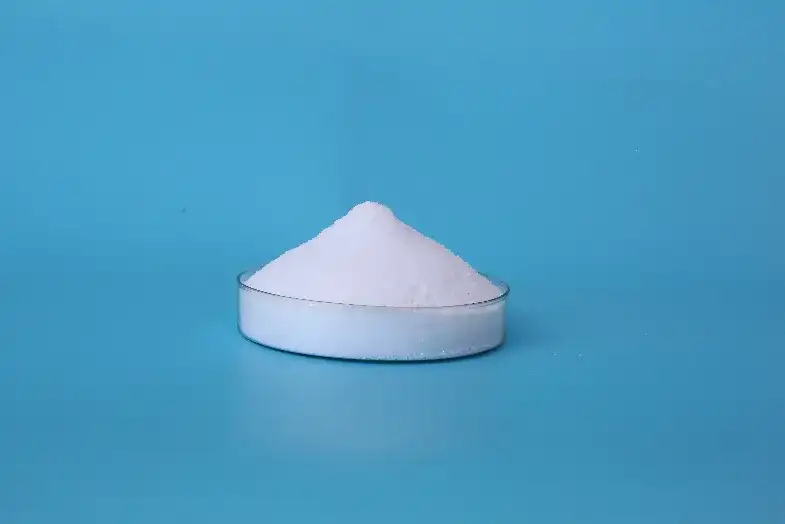
Amphoteric polyacrylamide comes in both emulsion and powder forms, and the choice between them affects handling, storage, and dissolution characteristics.
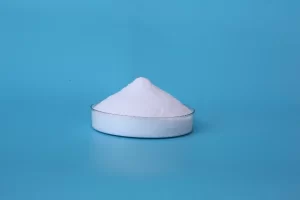
Powder polyacrylamide offers longer shelf life and lower shipping costs per unit of active polymer. It requires more careful dissolution—the powder must hydrate completely to achieve full molecular extension and flocculation performance. Incomplete dissolution leaves polymer chains coiled rather than extended, reducing bridging effectiveness.
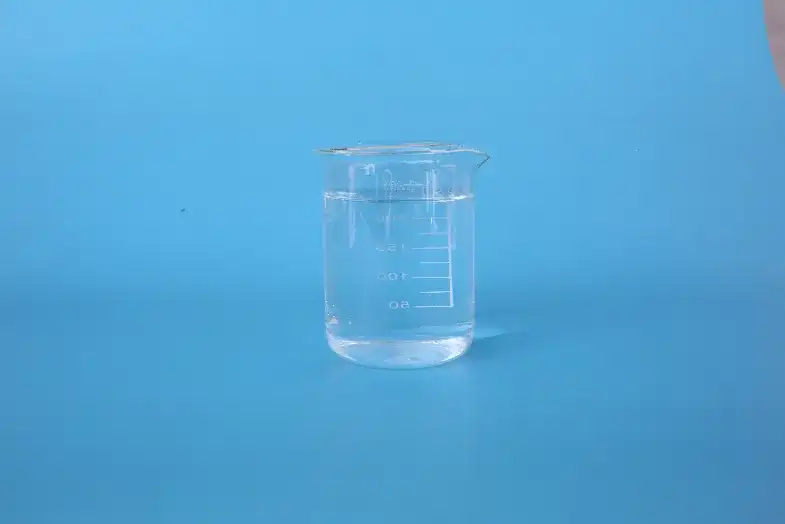
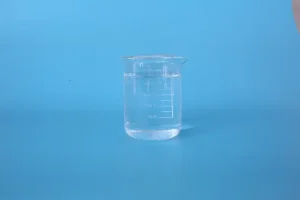
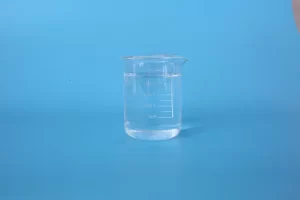
Emulsion polyacrylamide dissolves faster and more completely, making it suitable for applications where rapid response to changing conditions matters. The trade-off comes in storage requirements and slightly higher cost per unit of active polymer due to the carrier liquid.
Jar testing remains the most reliable method for determining optimal polymer type and dosage for a specific effluent. The test simulates full-scale treatment conditions on a small scale, allowing operators to observe floc formation, settling rates, and supernatant clarity before committing to a particular product or dosing strategy.
How can I optimize polyacrylamide dosage for cost-effective mixed effluent treatment?
Start with systematic jar testing across the expected range of effluent conditions. Document the dosage that produces optimal results at different pH levels, suspended solids concentrations, and organic loads. Use this data to establish dosing curves that operators can follow as conditions change.
Automated dosing systems that respond to real-time effluent monitoring provide the tightest control. Turbidity meters, pH probes, and flow sensors can feed data to dosing pumps that adjust polymer addition continuously. This approach minimizes both underdosing (which compromises treatment) and overdosing (which wastes chemical and can actually impair floc formation).
Regular consultation with technical specialists helps identify optimization opportunities that may not be obvious from routine operations. Fresh eyes on a treatment system often spot inefficiencies that operators have grown accustomed to working around.
Production Capacity and Technical Support Considerations
Consistent polymer quality matters as much as polymer selection. Batch-to-batch variation in molecular weight, charge density, or dissolution characteristics can undermine even well-optimized treatment systems. Suppliers with robust quality control and sufficient production capacity to maintain inventory buffers provide more reliable supply than smaller operations that may struggle with consistency.
Shandong Nuoer Biological Technology Co., Ltd. maintains annual production capacity of 500,000 tons of polyacrylamide and 200,000 tons of polyacrylamide emulsion. This scale supports consistent quality control and reliable supply to customers across more than 60 countries. The company integrates research and development with production, allowing technical insights to flow directly into manufacturing improvements.
What are the key considerations when selecting a polyacrylamide supplier for wastewater applications?
Production capacity ensures supply reliability during demand fluctuations or supply chain disruptions. Technical expertise translates into better application guidance and faster troubleshooting when problems arise. Quality assurance systems—documented and auditable—provide confidence that each shipment will perform like the last. A global service network matters for facilities operating in multiple regions or requiring rapid technical support across time zones.
Common Questions About Amphoteric Polyacrylamide Applications
Is amphoteric polyacrylamide suitable for all types of mixed industrial effluents?
Amphoteric polyacrylamide handles a remarkably broad range of mixed effluents effectively, including streams with fluctuating pH, varying ionic strength, and diverse contaminant profiles. Its dual-charge structure provides adaptability that single-charge polymers cannot match. That said, optimal performance always requires application-specific testing. Some effluents may respond better to particular molecular weight ranges or charge densities within the amphoteric polyacrylamide family.
How does amphoteric polyacrylamide contribute to cost savings in wastewater treatment?
Cost savings accumulate through multiple channels. Improved flocculation efficiency produces denser sludge that dewaters more completely, reducing disposal volumes and associated hauling costs. The polymer’s adaptability across varying conditions often allows a single product to replace multiple specialized chemicals, simplifying inventory and reducing waste from expired materials. Consistent compliance with discharge limits avoids regulatory penalties and the operational disruptions that come with permit violations.
What technical support does Shandong Nuoer provide for amphoteric polyacrylamide applications?
Shandong Nuoer provides consultation for product selection, dosage optimization guidance, and troubleshooting assistance through a global sales and service network. The company’s research and development capabilities inform practical application recommendations, helping customers match specific amphoteric polyacrylamide products to their effluent characteristics and treatment objectives.
Moving Forward with Amphoteric Polyacrylamide Flocculant Solutions
Mixed effluent treatment challenges don’t have to mean unpredictable costs and compliance uncertainty. Amphoteric polyacrylamide flocculant technology offers a path to stable, efficient treatment across the variable conditions that characterize real industrial wastewater streams. Shandong Nuoer Biological Technology Co., Ltd. combines production scale, technical depth, and global support infrastructure to help facilities achieve their treatment objectives.
For consultation on amphoteric polyacrylamide flocculant applications specific to your mixed effluent challenges, contact the technical team directly.
Email: en*****@***er.com
Phone: +86-532-66712876



 English
 Russian
 Arabic
 Spanish