
Selecting the right polyacrylamide for industrial applications comes down to understanding what your wastewater actually contains and how it behaves. The choice between amphoteric and cationic polyacrylamide affects both treatment results and what you spend to achieve them. Here we break down their distinct mechanisms, where each performs best, and how conditions shift their effectiveness.
Polyacrylamide Chemistry and How It Works
Polyacrylamide (PAM) is a water-soluble polymer used as a flocculant in solid-liquid separation. These processes include sedimentation, clarification, thickening, and sludge dewatering. The polymer works by neutralizing charges and bridging particles together, forming larger flocs that settle faster. Different PAM types exist based on ionic charge and molecular structure: anionic, cationic, non-ionic, and amphoteric. This chemical variety means you can match the polymer to specific wastewater problems.
Cationic Polyacrylamide and Where It Excels
Cationic polyacrylamide is a linear organic polymer built from cationic monomers and acrylamide. It works through charge neutralization and bridging. The positive charges attract negatively charged suspended particles in wastewater, pulling them together into larger flocs that separate more easily. This makes cationic polyacrylamide effective for industrial wastewater carrying negatively charged colloids.
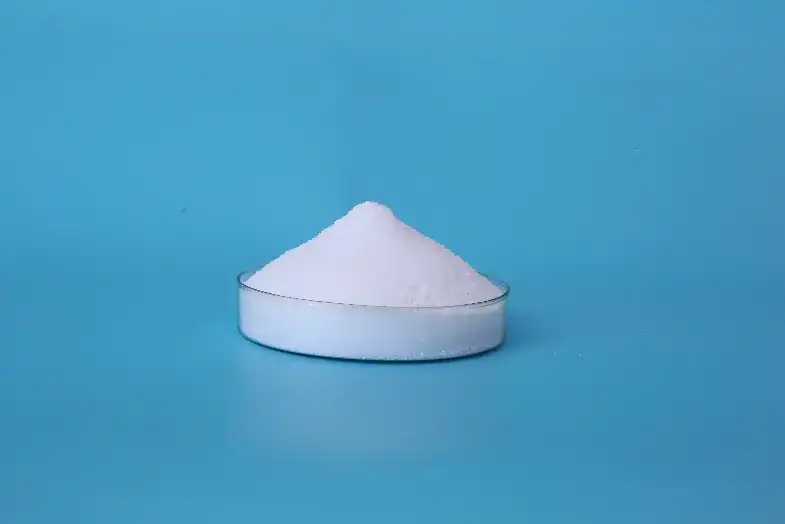
Cationic polymers show particular strength in sludge dewatering applications. Their flocculation capabilities improve solid-liquid separation, cutting sludge volume and disposal costs. Pulp and paper, textiles, and municipal wastewater treatment operations frequently use Cationic Polyacrylamide Flocculant for clarification and dewatering. These products deliver high flocculation efficiency, adapt to various water qualities, and require lower dosages, often saving 10-15% compared to alternatives under similar conditions.
Getting Charge Density Right for Better Flocculation
Charge density in cationic polyacrylamide directly affects how well it flocculates. Higher charge density means stronger electrostatic attraction to negatively charged particles, producing faster and more solid floc formation. But push the charge density too high and you get charge reversal, where particles restabilize instead of clumping. The wastewater itself dictates what works best. Zeta potential, suspended solids concentration, flocculant dosage, and polymer molecular weight all factor into the outcome.
Amphoteric Polyacrylamide and Its Adaptability
Amphoteric polyacrylamide is a ternary copolymer containing cationic monomers, acrylamide, and a hydrolyzing agent. This combination creates a polymer chain carrying both positive and negative charges. The dual-charge structure lets the polymer shift its charge behavior based on pH. This adaptability matters when treating wastewater with pH swings or mixed contaminants carrying different charges.
Amphoteric polyacrylamide handles difficult conditions well, including high salinity and variable organic loads. It finds use in oil and gas produced water treatment and metal removal processes, where it can complex with various metal ions. Amphoteric ionic polyacrylamide dissolves quickly, reducing operation time and improving efficiency in demanding environments.
How Flocculation Shifts With pH
Amphoteric polyacrylamide responds to pH changes in predictable ways. In acidic conditions, it behaves more like a cationic polymer. In alkaline conditions, its anionic properties dominate. Near its isoelectric point, the net charge approaches zero, and bridging mechanisms take over. This pH-sensitive behavior keeps flocculation stable across a wide operating range. Systems with inconsistent influent quality benefit from this flexibility. These zwitterionic polymers adjust their charge to grab diverse contaminants.
Comparing Performance and Making the Right Choice
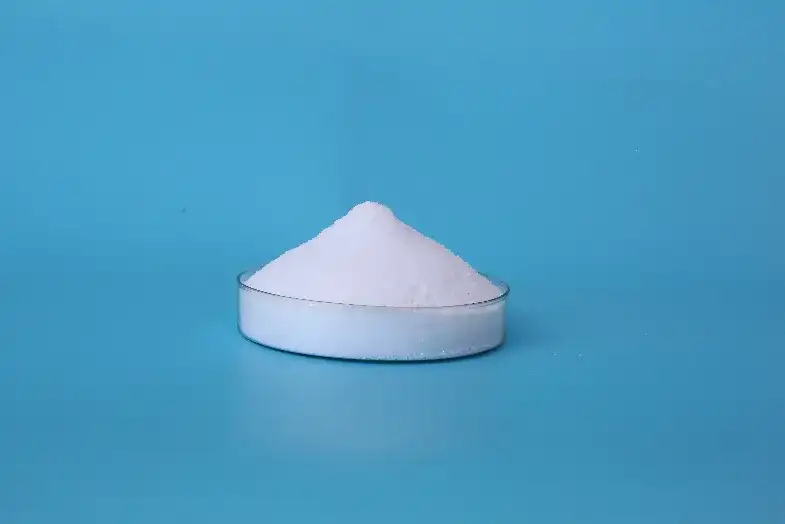
Picking between amphoteric and cationic polyacrylamide requires looking at several factors systematically. Wastewater characteristics matter most: pH, ionic strength, suspended solids concentration, and contaminant types. Cationic polyacrylamide typically works best for negatively charged particles in moderately acidic to neutral pH, with strong sludge dewatering performance. Amphoteric polyacrylamide fits complex wastewater with variable pH, high salinity, or mixed charge contaminants, offering broader adaptability.
| Feature | Cationic Polyacrylamide | Amphoteric Polyacrylamide |
|---|---|---|
| Charge Type | Positive | Positive and Negative (pH-dependent) |
| Primary Mechanism | Charge Neutralization, Bridging | Charge Neutralization, Bridging, Complexation |
| Optimal pH Range | Acidic to Neutral | Wide range, adaptable |
| Typical Uses | Sludge dewatering, pulp & paper, municipal wastewater | Complex industrial effluents, oil & gas, metal removal, variable pH |
| Cost-Effectiveness | Generally lower initial cost for specific applications | Higher initial cost, but offers versatility and consistent performance in challenging conditions |
Cost-benefit analysis matters too. Cationic polyacrylamide may cost less upfront for specific applications, but amphoteric polymers can reduce overall operational spending in complex scenarios by eliminating pH adjustment needs. Meeting effluent quality standards and optimizing sludge volume index remain central to the selection process.
Situations Where Amphoteric Makes More Sense
Amphoteric polyacrylamide earns its place when wastewater streams present highly variable pH, multivalent ions, or complex mixtures of organic and inorganic pollutants. The dual-charge nature provides stability and flocculation performance where cationic polymers struggle due to their charge specificity. Certain oil and gas operations and chemical manufacturing effluents benefit from the more robust and consistent treatment that amphoteric flocculants deliver.
Getting the Most From Polyacrylamide While Staying Sustainable
Maximizing flocculant efficiency supports sustainable wastewater treatment. Precise polymer dosing control through advanced monitoring prevents overdosing, which drives up costs and can create secondary pollution. Regular wastewater analysis ensures you keep using the right polyacrylamide type and dosage as conditions change. This approach supports environmental compliance and opens paths to resource recovery.
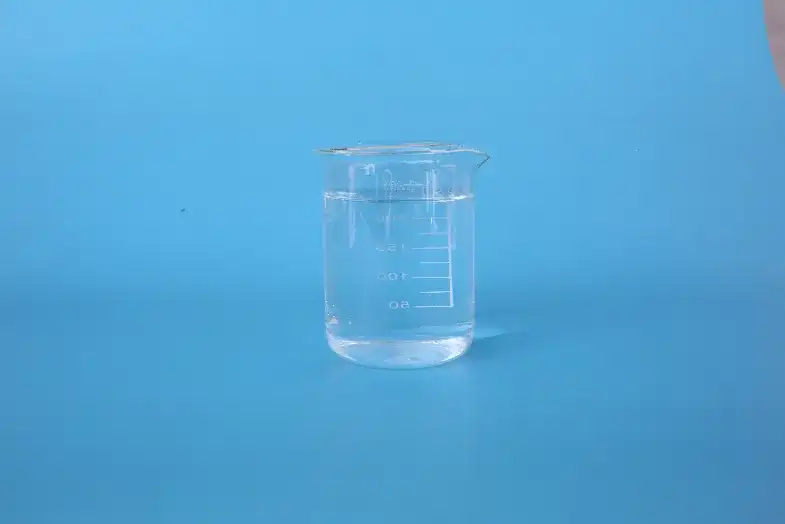
Product quality affects outcomes significantly. High molecular weight and excellent stability, as found in Polyacrylamide Emulsion, contribute to superior flocculation efficiency and long-term operational sustainability. Non-ionic polyacrylamide, which responds less to pH and salts, provides superior flocculation under acidic conditions compared to HPAM.
Working With Shandong Nuoer Biological Technology
Shandong Nuoer Biological Technology Co., Ltd. is a modern high-tech enterprise focused on research, development, production, marketing, and service of polyacrylamide and related products. Annual production capacity reaches 500,000 tons of polyacrylamide and 200,000 tons of polyacrylamide emulsion. The company offers custom polymer solutions and technical support for flocculants, matching products to diverse industrial needs. A global sales network serves over 60 countries and regions.
For insights into community involvement, see 《Nuoer Group Donates 300000 RMB to Rongzhuang Village to Support Hometown Development》.
Frequently Asked Questions About Polyacrylamide Performance
How does charge density impact polyacrylamide performance in different industrial applications?
Charge density shapes how effectively polyacrylamide works. In cationic polymers, the right charge density neutralizes negative charges on suspended particles, driving efficient flocculation. Too low and particles don’t aggregate well. Too high and charge reversal restabilizes particles. Finding the balance matters for high flocculation efficiency across industrial wastewater challenges, including mining and municipal treatment.
What are the key differences in flocculation mechanisms between amphoteric and cationic polyacrylamides?
The main difference sits in their charge characteristics. Cationic polyacrylamides use positive charges to neutralize negatively charged particles and enable bridging. Amphoteric polyacrylamides carry both positive and negative charges, letting them adjust their charge profile based on wastewater pH. This adaptability means amphoteric polymers flocculate a broader range of contaminants and maintain performance when pH varies, while cationic polymers work within a more defined optimal pH range.
When should an amphoteric polyacrylamide be preferred over a cationic one for wastewater treatment?
Choose amphoteric polyacrylamide for complex industrial effluents with highly variable pH, fluctuating ionic strengths, or both positively and negatively charged particles. Its charge adjustment capability makes it more robust in challenging wastewater scenarios where cationic polymers would be less efficient or need frequent pH adjustments. This delivers consistent treatment outcomes without extensive pre-treatment.
Discover Tailored Polyacrylamide Solutions
Optimizing your wastewater treatment processes begins with selecting the right polyacrylamide. Our team of experts is ready to provide customized solutions that meet your specific operational requirements and environmental goals. Contact us today to discuss how our advanced polyacrylamide products can enhance your efficiency and sustainability.
Email: en*****@***er.com
Phone: +86-532-66712876





 English
 Russian
 Arabic
 Spanish