
Getting more oil out of mature reservoirs keeps getting harder. Anionic polyacrylamide has become one of the more reliable tools for this job, and the chemistry behind it explains why. The polymer does something straightforward but effective: it makes injected water behave more like the oil it’s trying to push, which sounds simple until you realize how many variables can throw that off.
How Anionic Polyacrylamide Actually Works in Oil Recovery
Anionic polyacrylamide belongs to a family of water-soluble polymers that have found their place in enhanced oil recovery operations. The molecular weight on these things is substantial, often exceeding 30 million, built from copolymerizing acrylamide and acrylate salts. That anionic charge from the acrylate groups matters because it determines how the polymer interacts with both the reservoir fluids and the rock itself.
The practical application comes down to polymer flooding. Dissolve the polymer in water, inject it into the reservoir, and the solution viscosity goes up. That viscosity increase changes the mobility ratio between what’s being injected and what’s being displaced. Without that adjustment, water tends to find the path of least resistance and finger through the oil, breaking through early and leaving recoverable oil behind.
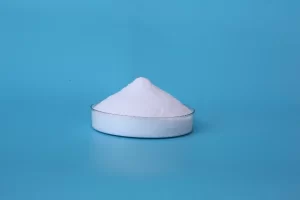
The polymer chains also interact with pore throats in the reservoir rock. This reduces permeability in the high-flow zones, pushing the polymer solution toward areas that haven’t been swept yet. Shandong Nuoer Biological Technology Co. produces Anionic Polyacrylamide with varying molecular weights and ionic types, which allows for selection based on specific reservoir characteristics. The products feature high molecular weight for strong flocculation, a complete range of ionic types, and fast dissolution rates. 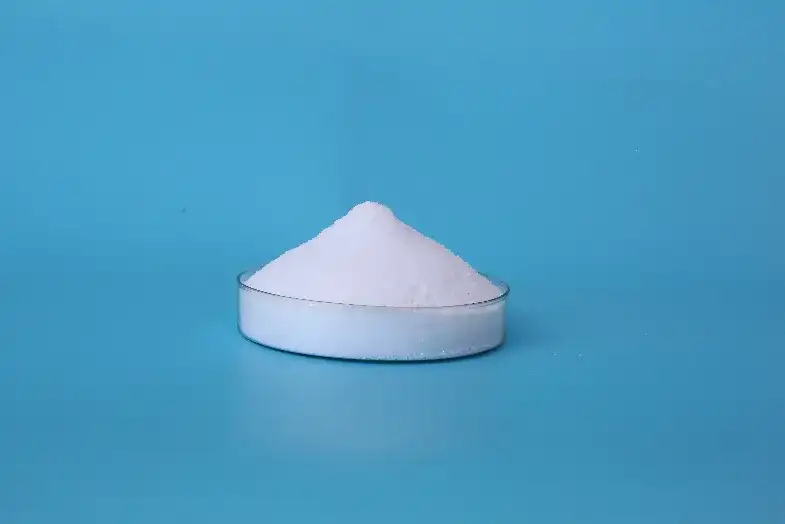
The Physics Behind Oil Displacement and Mobility Control
Several physical and chemical processes work together when anionic polyacrylamide enters a reservoir. The polymer solution reduces the mobility of injected water, creating a more stable displacement front that pushes oil uniformly rather than channeling through preferred paths.
The viscoelastic properties add another dimension to recovery. The polymer solution can deform and stretch as it moves through porous media, which helps mobilize residual oil trapped in pore spaces. This becomes particularly valuable in heterogeneous reservoirs where permeability varies significantly and bypassed oil accumulates.
Why Viscosity Enhancement Changes Everything
The viscosity increase is where anionic polyacrylamide earns its keep. The mobility ratio, which compares how easily the displacing fluid moves versus the displaced fluid, ideally stays at or below one for stable displacement. Higher viscosity in the injected water brings that ratio down and prevents water fingering.
When less viscous water bypasses more viscous oil, substantial amounts remain unswept. Even modest increases in polymer solution viscosity can shift fluid flow patterns dramatically, creating something closer to piston-like displacement. More of the reservoir gets contacted by the displacing fluid, and more residual oil gets mobilized. Polyacrylamide Supplier OEM solutions are designed to provide optimal viscosity enhancement across various reservoir conditions.
Matching the Polymer to the Reservoir
Getting the polymer properties right for specific reservoir conditions determines whether the operation succeeds or disappoints. This means selecting appropriate molecular weight and hydrolysis degree while accounting for temperature, salinity, and permeability. Get it wrong and the polymer degrades too fast, loses viscosity, or adsorbs excessively onto rock surfaces.
Molecular Weight and Hydrolysis Degree Selection
These two parameters drive performance more than almost anything else. Higher molecular weight polymers produce higher solution viscosities at lower concentrations, which helps the mobility ratio. But push the molecular weight too high and injectivity problems emerge from increased flow resistance.
The hydrolysis degree indicates what percentage of acrylamide units have converted to acrylate units, adding anionic charges along the polymer backbone. Higher hydrolysis typically improves solubility and expands the hydrodynamic volume in low-salinity brines, boosting viscosity further. In high-salinity environments, though, excessive hydrolysis causes polymer coiling and viscosity loss from charge screening. Shandong Nuoer Biological Technology Co. provides solutions with precise control over these parameters. Acrylamide Monomer Crystal and Acrylamide Aqueous Solution serve as foundational components for synthesizing polymers with tailored molecular structures.
How Reservoir Conditions Affect Performance
Temperature, salinity, and pH all influence how well anionic polyacrylamide holds up. High-temperature, high-salinity conditions create the toughest challenges. Elevated temperatures accelerate degradation and viscosity loss. High salinity, especially divalent ions like calcium and magnesium, can cause polymer chains to coil or precipitate, shrinking their effective hydrodynamic volume.
Mitigation approaches include polymers with enhanced thermal stability and brine compatibility, achieved through specific monomer compositions or copolymerization. Maintaining optimal pH also helps preserve polymer integrity. Research and development efforts continue to focus on robust APAM formulations that withstand harsh reservoir environments.
What Field Results Actually Show
The practical impact of anionic polyacrylamide in enhanced oil recovery shows up in field applications across multiple continents. These projects consistently demonstrate meaningful increases in oil production and reductions in water cut.
Case studies from various oilfields indicate that polymer flooding can recover an additional 5-20% of the original oil in place beyond conventional waterflooding. That translates directly to increased revenue. Reducing produced water also lowers treatment and disposal costs. The long-term value comes from accessing oil reserves that would otherwise remain in the ground.
| Feature | Waterflooding Efficiency | Polymer Flooding Efficiency |
|---|---|---|
| Oil Recovery | Moderate | High (additional 5-20% OOIP) |
| Sweep Efficiency | Variable (prone to fingering) | Improved (more uniform) |
| Water Cut | High | Reduced |
| Mobility Ratio | Unfavorable (often >1) | Favorable (closer to 1) |
| Residual Oil | Significant | Mobilized |
Where the Technology Goes From Here
Development continues on anionic polyacrylamide technology, driven by increasingly complex reservoir challenges and sustainability considerations. Future work focuses on advanced polymer designs, including responsive polymers that adapt to changing reservoir conditions, and synergistic EOR methods.
Research progresses on polymers with superior thermal stability, salinity tolerance, and shear resistance for extreme environments. Nanotechnology integration, combining nanoparticles with polymer solutions, shows potential for improved fluid conformance and reduced polymer adsorption. Hybrid methods that combine polymer flooding with surfactant flooding or CO2 injection aim for even higher recovery factors.
Frequently Asked Questions
What are the specific mechanisms of anionic polyacrylamide in EOR?
Anionic polyacrylamide improves Enhanced Oil Recovery through two primary mechanisms: increasing the viscosity of injected water and improving sweep efficiency. The polymer solution reduces the mobility ratio between injected water and crude oil, preventing viscous fingering and channeling. APAM can also reduce permeability in high-flow zones, diverting flow to unswept areas and mobilizing residual oil.
How does anionic polyacrylamide improve sweep efficiency in oil reservoirs?
Anionic polyacrylamide enhances sweep efficiency by increasing the viscosity of the displacing fluid. This allows injected water to push oil more uniformly through the reservoir rather than bypassing oil in less permeable areas. It also reduces the water-oil mobility ratio, ensuring a more stable displacement front and leading to a higher percentage of the reservoir being contacted by the injected fluid.
What are the key considerations for selecting anionic polyacrylamide for different crude oil types?
Selection involves considering crude oil viscosity, reservoir temperature, formation water salinity, and reservoir permeability. Higher molecular weight APAM is often preferred for more viscous oils, while polymers with higher hydrolysis degrees suit high-salinity environments. Thermal stability matters for high-temperature reservoirs. Shandong Nuoer Biological Technology Co. provides tailored polyacrylamide solutions to match diverse reservoir conditions and crude oil properties.
Partner with Shandong Nuoer Biological Technology Co.
Unlock the full potential of your oil recovery operations with Shandong Nuoer Biological Technology Co.’s advanced polyacrylamide solutions. As a leading high-tech enterprise with an annual production capacity of 500,000 tons of Polyacrylamide Supplier OEM, we deliver unparalleled quality and global service. Contact us today at +86-532-66712876 or en*****@***er.com to discuss your specific EOR challenges and discover how our expertise can achieve your success.


 English
 Russian
 Arabic
 Spanish