
Refinery wastewater is stubborn and varied, and meeting tight discharge limits without slowing operations is a constant balancing act. What follows shows how amphoteric polyacrylamide (PAM) helps refineries handle fluctuating pH and salinity, break tough emulsions, stabilize oil-water separation, and control costs while staying on the right side of environmental standards.
Addressing Refinery Wastewater Treatment Challenges
Oil refinery wastewater is challenging because of its heterogeneous composition. Streams often contain stable oil-in-water emulsions, high concentrations of suspended solids, dissolved organics, and, in many cases, elevated salinity. Conventional treatment methods frequently struggle with the variability and complexity of petrochemical effluent, which drives inconsistent performance and higher operational costs. Hitting stringent discharge standards for chemical oxygen demand (COD), biochemical oxygen demand (BOD), and total suspended solids (TSS) remains a primary concern. The strong stability of oil emulsions makes separation difficult, slowing efficient oil removal.
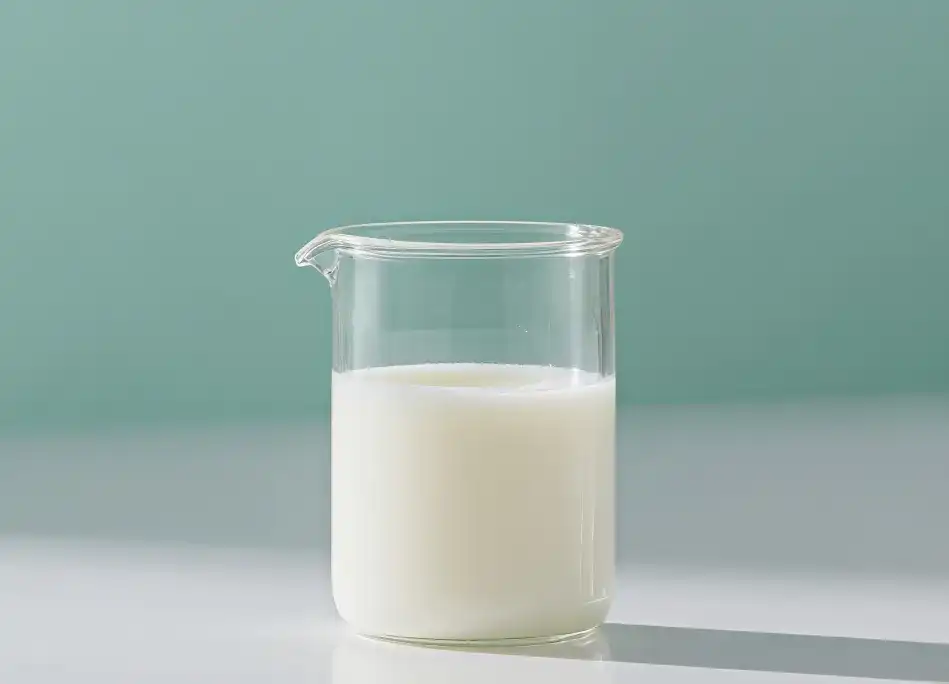
Amphoteric PAM as a Strategic Solution for Refineries
Amphoteric polyacrylamide delivers a superior solution for refinery wastewater treatment because of its unique chemical structure. The polymer carries both positive and negative charges along its chain, allowing it to adapt to varying pH levels and complex ionic environments common in petrochemical effluents. That versatility supports robust flocculation and demulsification, improving oil-water separation and overall treatment efficiency.
We recently presented our innovations at the 25th China International Petroleum & Petrochemical Technology and Equipment Exhibition, underscoring our commitment to green innovation and advanced solutions for the petrochemical industry. If you’re interested, check 《Nuoer at 25th China International Petroleum & Petrochemical Technology Exhibition》.
Unique Flocculation Mechanisms
The dual-charge nature of amphoteric PAM underpins its flocculation behavior. It interacts with both positively and negatively charged particles in wastewater at the same time. The result is effective charge neutralization and bridging flocculation across a wide pH range. Given that refinery wastewater pH can fluctuate significantly, this adaptability is especially valuable. A balanced charge density drives optimal aggregation of diverse contaminants.
Performance Advantages in Oil Water Separation
Amphoteric PAM markedly improves oil water separation in refinery applications. It destabilizes persistent oil emulsions and promotes rapid aggregation of fine oil droplets and suspended solids. Larger, denser flocs form and settle quickly, yielding clearer effluent. Refineries see substantial reductions in oil and grease, TSS, and often COD/BOD levels, aligning with strict environmental regulations.
| Flocculant Type | Key Advantage in Refinery Wastewater | Oil Removal Efficiency | Sludge Volume | pH Adaptability |
|---|---|---|---|---|
| Amphoteric PAM | Dual-charge, pH adaptable | Excellent | Low | Wide |
| Cationic PAM | Good for negatively charged particles | Moderate | Medium | Limited |
| Anionic PAM | Good for positively charged particles | Moderate | Medium | Limited |
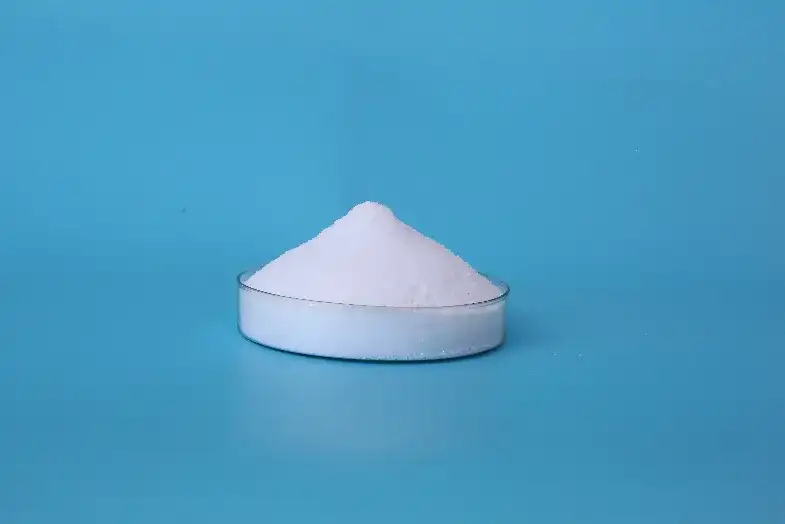
Maximizing Value and Operational Efficiency
Using amphoteric polyacrylamide in refinery wastewater treatment translates into both operational and economic gains. High treatment efficiency reduces the need for multiple chemical additions, which simplifies operations. Plants benefit from lower running costs and more stable performance. More consistent results also support ongoing compliance with environmental discharge limits.
Cost Benefits and Sludge Reduction
The use of the best Amphoteric Polyacrylamide Flocculant directly contributes to substantial cost savings. Its high efficacy allows for lower chemical dosages, easing procurement pressure. Amphoteric PAM also produces denser, more easily dewatered sludge, which significantly decreases sludge volume. That, in turn, trims disposal costs, one of the larger ongoing expenses for refineries.
Shandong Nuoer’s Expertise in Polyacrylamide Solutions
Shandong Nuoer Biological Technology Co., Ltd. provides advanced polyacrylamide solutions, including the best amphoteric PAM formulations. Established in 2011, we integrate research, development, production, marketing, and service. Our annual production capacity includes 500,000 tons of Polyacrylamide Supplier OEM and 200,000 tons of Polyacrylamide Emulsion. We utilize advanced microbial technology to produce high-purity products like Acrylamide Monomer Crystal and Acrylamide Aqueous Solution.
Our products are sold to over 60 countries, supported by a global sales network and comprehensive after-sales service. We are committed to manufacturing perfect products and achieving customer success. Our dedication to quality and innovation ensures reliable and effective solutions for complex industrial challenges, such as refinery wastewater treatment. We continue to invest in R&D to develop customized formulations that meet specific client requirements.
Optimize Your Refinery Operations
Discover how Shandong Nuoer Biological Technology Co., Ltd. can optimize your oil refinery wastewater treatment with our advanced amphoteric polyacrylamide solutions. With an annual production capacity of 500,000 tons of polyacrylamide and a global sales network spanning over 60 countries, we are committed to manufacturing perfect products and achieving customer success. Contact our experts today to discuss your specific challenges and find the ideal PAM formulation for superior performance and environmental compliance.
Phone: +86-532-66712876
Email: en*****@***er.com
FAQs
What makes amphoteric PAM the best choice for oil refinery wastewater?
Amphoteric PAM maintains strong performance across wide pH and salinity ranges common in refinery wastewater. Its dual-charge structure supports superior charge neutralization and bridging flocculation, which strengthens oil-water separation, boosts suspended solids removal, and reduces chemical dosage compared to traditional flocculants. That versatility and efficiency make it the best amphoteric PAM for complex refinery effluents.
How does amphoteric polyacrylamide improve oil removal efficiency?
Amphoteric polyacrylamide improves oil removal by destabilizing emulsions and driving aggregation of fine oil droplets and suspended solids into larger, easier-to-separate flocs. Its balanced charge characteristics neutralize both anionic and cationic components present in the wastewater, breaking stable emulsions, accelerating clarification and sludge formation, and producing a cleaner effluent.
Can amphoteric PAM reduce sludge volume in refinery wastewater treatment?
Yes. Using the best amphoteric PAM can substantially cut sludge volume. By forming denser, more compact flocs, amphoteric polyacrylamide enhances dewatering efficiency. Less sludge requires disposal, which lowers costs tied to handling, transport, and disposal, making the overall treatment process more economical and environmentally friendly for oil refinery wastewater.



 English
 Russian
 Arabic
 Spanish