
Finding the right cationic polyacrylamide can make or break your wastewater treatment results. After years of working with different polymers and suppliers, I’ve learned that the difference between adequate and excellent performance often comes down to product quality and proper application. The right polymer choice directly affects flocculation speed, clarification quality, and how much water you can squeeze out of your sludge. This piece walks through what actually matters when selecting suppliers and getting the most from polyacrylamide technology in your treatment operations.
How Cationic Polyacrylamide Actually Works in Wastewater Treatment
Cationic polyacrylamide (PAM) functions as the workhorse flocculant in most modern wastewater systems. This water-soluble polymer comes from copolymerizing cationic monomers with acrylamide, creating long molecular chains that carry positive charges. Those positive charges are the key. Wastewater particles typically carry negative surface charges, so when you introduce cationic PAM, the polymer molecules grab onto these particles and pull them together into larger clumps called flocs.
The Cationic Polyacrylamide Flocculant application touches nearly every stage of treatment. During sedimentation, those larger flocs drop out of suspension faster and more completely. Clarification improves because fewer fine particles escape into the effluent. Thickening operations concentrate sludge more effectively, cutting volume before it ever reaches dewatering equipment. All of this adds up to meeting discharge limits without constant adjustment.
What separates good products from mediocre ones shows up in real-world performance. Strong adaptability to changing water quality matters because influent characteristics shift constantly. Low dosage requirements make a measurable difference too. Products that deliver equivalent results at 10-15% lower doses translate directly to cost savings. Self-produced cationic monomers provide supply stability and cost control, while customizable formulations address specific treatment challenges that off-the-shelf products miss.
What Separates Good Suppliers from Great Ones
Picking a cationic polyacrylamide supplier involves more than comparing price lists. The supplier relationship affects plant performance, troubleshooting speed, and long-term operational costs. Several factors deserve serious evaluation before committing to a partnership.
Product consistency batch to batch prevents the headaches of constantly recalibrating dosing systems. Technical support that actually understands your application helps optimize performance rather than just selling product. Global distribution capability matters for facilities that cannot afford supply interruptions.
| Evaluation Criteria | Description | Impact on Operations |
|---|---|---|
| Product Purity & Consistency | Uniform composition and reliable performance across batches. | Ensures stable treatment results and predictable dosage. |
| Technical Support | Expert guidance on product selection, dosage, and application. | Optimizes chemical use, reduces costs, and solves issues. |
| Supply Chain Reliability | Consistent availability and timely delivery of products. | Prevents operational downtime and maintains compliance. |
| Customization Capabilities | Ability to tailor products to specific wastewater characteristics. | Maximizes treatment efficiency for unique plant needs. |
| Environmental Certifications | Adherence to international environmental and safety standards. | Supports regulatory compliance and sustainable practices. |
Municipal Wastewater Has Its Own Requirements
Municipal treatment plants face particular challenges when sourcing Polyacrylamide Supplier OEM products. Influent composition swings wildly depending on weather, time of day, and seasonal factors. Products need to perform across a broad pH range and handle varying organic loads without constant reformulation.
Regulatory pressure never lets up in municipal applications. Suppliers must provide detailed specifications proving their products meet environmental discharge limits. Cost efficiency matters enormously given tight municipal budgets, but cutting corners on polymer quality usually costs more in the long run through increased dosing, equipment wear, and compliance issues.
The best municipal suppliers understand these constraints and offer products that balance performance with economics. They provide documentation that satisfies regulators and technical guidance that helps operators get maximum value from every pound of polymer.
Getting More Water Out of Your Sludge
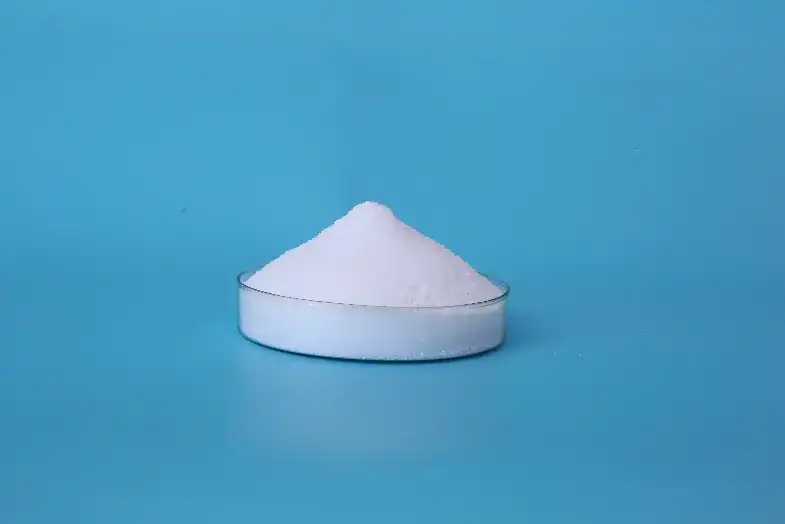
Sludge dewatering represents one of the largest cost centers in wastewater treatment. The polymer you use here directly affects disposal costs, equipment efficiency, and energy consumption. High-performance Cationic Polyacrylamide Flocculant makes a measurable difference in dewatering outcomes.
The mechanism is straightforward but the execution matters. Cationic polymers neutralize negative charges on sludge particles, causing them to aggregate into larger structures. These flocs trap water in ways that allow mechanical separation. Stronger floc formation means more water releases during pressing or centrifugation, leaving behind a drier cake.
The downstream benefits compound quickly. Drier sludge weighs less and takes up less volume, cutting transportation and disposal costs. Dewatering equipment runs more efficiently when flocs form properly, reducing cycle times and energy consumption. Belt presses, centrifuges, and filter presses all perform better with optimized polymer conditioning.
Products engineered specifically for dewatering applications achieve higher solids content in the final cake. This optimization reduces moisture content and streamlines the entire back end of treatment operations.
Industrial Sludge Presents Unique Challenges
Industrial wastewater rarely behaves like municipal flows. Chemical composition varies dramatically between industries and even between different processes within the same facility. pH extremes, heavy metals, and unusual organic compounds all affect how polymers perform.
Effective dewatering in industrial applications requires tailored Amphoteric Polyacrylamide Flocculant formulations that account for specific sludge characteristics. Generic products often underperform or require excessive dosing to achieve acceptable results.
Customized polymer solutions address these challenges directly. Formulations designed for specific industrial sludges achieve superior flocculation and water release. The result shows up in higher cake solids, reduced sludge volume, and lower overall treatment costs. Facilities that invest in properly matched polymers typically see significant improvements in dewatering efficiency and equipment performance.
The Numbers Behind Premium Polymer Investment
Quality Polyacrylamide Supplier OEM products deliver returns that justify their cost through multiple pathways. Environmental benefits and economic advantages often reinforce each other.
On the environmental side, superior clarification produces cleaner effluent that consistently meets discharge standards. Efficient dewatering reduces the volume of material requiring disposal, shrinking the facility’s overall footprint. Low residual monomer content in premium products minimizes environmental and safety concerns during handling and application.
The economic case builds from several sources. Optimized dosing requirements, often 10-15% below standard products, reduce procurement costs directly. Better dewatering efficiency cuts energy consumption and extends equipment life. Reduced sludge volume translates to lower transportation and disposal expenses. These savings accumulate over time and typically exceed the premium paid for higher-quality products.
| Benefit Category | Impact of High-Quality Polymer | Quantifiable Advantage |
|---|---|---|
| Chemical Consumption | Reduced dosage due to superior efficiency. | 10-15% savings on polymer costs. |
| Sludge Volume Reduction | Higher solids content in dewatered sludge. | 20-30% reduction in disposal and transport costs. |
| Energy Consumption | Faster dewatering cycles, less equipment run time. | 5-10% decrease in energy expenditure. |
| Regulatory Compliance | Consistent effluent quality, minimizing fines. | Avoidance of penalties, improved public image. |
| Equipment Maintenance | Less wear on dewatering machinery due to optimized performance. | Reduced maintenance costs and extended equipment life. |
Measuring Real Returns from Quality Products
Quality Cationic Polyacrylamide Flocculant from established suppliers delivers measurable improvements across operations. Reduced chemical consumption lowers the facility’s chemical footprint while cutting costs. Enhanced dewatering capabilities decrease energy requirements for mechanical separation equipment.
Compliance becomes more predictable when treatment performance remains consistent. Facilities using premium polymers face fewer surprises during regulatory inspections and spend less time troubleshooting performance issues. The combination of ecological responsibility and economic benefit makes quality polymer investment a straightforward decision for most operations.
For additional perspective on supplier values and community involvement, the article 《Nuoer Group Donates 300000 RMB to Rongzhuang Village》 provides insight into broader corporate commitments.
Working with an Established Polymer Manufacturer
Shandong Nuoer Biological Technology Co., Ltd. has operated since 2011 as an integrated research, development, production, and service organization. The company focuses on polyacrylamide, superabsorbent resin, acrylamide, and acrylic acid products. Annual production capacity reaches 500,000 tons of polyacrylamide and 200,000 tons of Polyacrylamide Emulsion, providing supply security for large-scale operations.
The global sales network and service infrastructure supports clients across more than 60 countries. Product range includes Nonionic Polyacrylamide Powder and Amphoteric Polyacrylamide Flocculant alongside cationic formulations. Advanced microbial technology enables production of ultra-low impurity products like Acrylamide Monomer Crystal and Acrylamide Aqueous Solution for applications requiring superior polymerization performance.
Unlock Optimal Wastewater Performance with Shandong Nuoer Biological Technology Co.
Partner with Shandong Nuoer Biological Technology Co., a trusted global leader in polyacrylamide innovation. Our extensive product portfolio, backed by cutting-edge R&D and a robust global sales and service network, is designed to meet your most demanding wastewater treatment challenges. Experience unparalleled product quality, technical support, and a commitment to achieving your operational and environmental goals. Connect with our experts today to discover tailored cationic polyacrylamide solutions for your facility. Contact us at +86-532-66712876 or en*****@***er.com to begin your journey towards superior wastewater management.
What are the key considerations when choosing a cationic polyacrylamide supplier for municipal wastewater treatment?
Municipal wastewater applications require Cationic Polyacrylamide Flocculant suppliers who deliver consistent product quality, reliable logistics, responsive technical support, and documented regulatory compliance. Shandong Nuoer Biological Technology Co. offers polyacrylamide products designed for municipal needs, supporting effective flocculation and sludge dewatering while controlling operational costs. Self-produced monomers ensure supply stability and cost efficiency that municipal operations depend on.
How does cationic polyacrylamide improve sludge dewatering efficiency in industrial applications?
Cationic polyacrylamide improves industrial sludge dewatering by neutralizing particle charges, promoting strong floc formation, and releasing bound water. The results include higher cake solids content, reduced sludge volume, lower disposal costs, and faster filtration rates. Customizable production allows formulations specifically designed for complex industrial sludges that generic products cannot address effectively.
What are the environmental and cost benefits of using high-quality cationic polyacrylamide in wastewater plants?
High-quality cationic polyacrylamide from established suppliers provides both environmental and economic advantages. Environmental benefits include cleaner effluent discharge, reduced chemical consumption, and less sludge requiring disposal. Economic benefits stem from optimized dosing that saves 10-15% on polymer costs, reduced energy consumption during dewatering, and decreased sludge transportation and disposal expenses. These factors combine to deliver strong returns on the investment in premium products.






 English
 Russian
 Arabic
 Spanish