

Paper mills live and die by how well they manage water. Every ton of paper produced involves moving enormous volumes of liquid through screens, presses, and dryers, and the chemistry that governs how fibers, fines, and fillers behave in that water determines whether a mill runs smoothly or struggles with constant adjustments. Cationic polyacrylamide sits at the center of this chemistry. It is not a glamorous additive, but getting it right, choosing the correct grade and dialing in the dosage, can mean the difference between a machine that hums along and one that fights you at every turn. What follows is a practical breakdown of how this polymer works in papermaking and what matters most when selecting and applying it.
How Cationic Polyacrylamide Functions in Papermaking
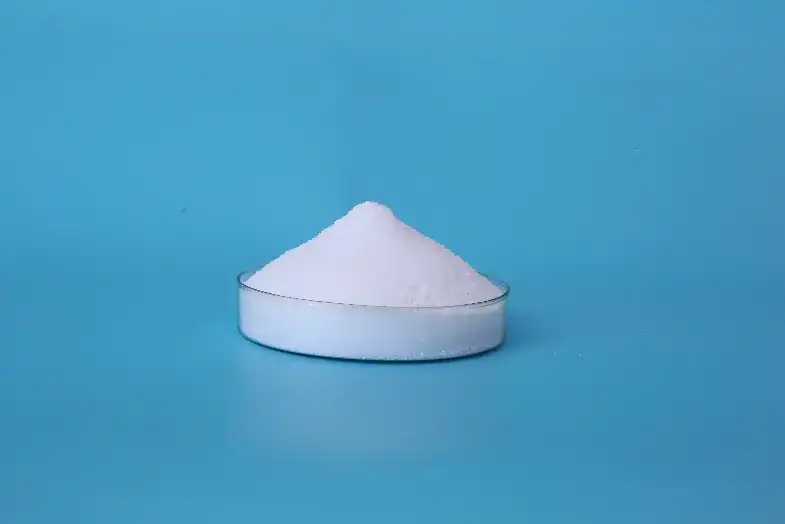
Cationic polyacrylamide is a water-soluble linear organic polymer created by copolymerizing cationic monomers with acrylamide. In paper mills, it works primarily as a flocculant, meaning it causes suspended particles to clump together into larger masses that separate more easily from water. The mechanism is straightforward: pulp fibers and fine particles carry negative surface charges, and the positive charges along the polymer chain neutralize those negatives. Once neutralized, particles no longer repel each other. They aggregate into flocs that settle faster, drain better, and release water more readily under pressure.
The practical benefits of cationic polyacrylamide flocculant show up across multiple process stages. Mills typically see strong flocculation and clarification performance even with variable water quality and changing furnish conditions. Dosage requirements tend to be modest, with some operations reporting 10-15% savings compared to alternative chemistries under similar conditions. Shandong Nuoer Biological Technology Co., Ltd. manufactures its own cationic monomers in-house, which stabilizes supply chains and keeps production costs predictable. The company also offers customized formulations when standard grades do not fit a particular application.
What Determines the Right Cationic Polyacrylamide for Your Mill
Choosing the correct cationic polyacrylamide grade is not a matter of picking the highest molecular weight or the strongest charge and hoping for the best. The polymer must match the specific conditions in your system, and those conditions vary considerably from one mill to the next.
Matching Charge Density and Molecular Weight to Your Furnish
Charge density describes how many positive charges exist along each polymer chain. Molecular weight determines how long those chains are and how large the resulting flocs become. These two properties work together, and the balance between them matters more than either one alone.
High charge density polymers excel at neutralizing systems with heavy anionic loads. Anionic trash, the dissolved and colloidal substances that accumulate in process water, consumes cationic demand and interferes with retention and drainage. When anionic trash levels run high, a polymer with greater charge density can overcome that interference. Molecular weight, meanwhile, influences floc size and strength. Longer chains bridge between particles and create larger, more robust aggregates. These larger flocs drain faster and hold together better under shear.
The catch is that no single combination works everywhere. A recycled fiber furnish loaded with dissolved solids needs different chemistry than a virgin kraft pulp with minimal contamination. Water hardness, pH, temperature, and the presence of other wet-end additives all shift the optimal balance. Getting this right usually requires testing with your actual furnish under your actual operating conditions.
Finding the Dosage Sweet Spot
Dosage optimization is where theory meets reality. Too little cationic polyacrylamide leaves particles insufficiently aggregated, resulting in poor drainage, high white water solids, and reduced retention. Too much causes problems of a different sort. Excess polymer can reverse the charge on particles, dispersing them again rather than aggregating them. Overdosing also wastes money and can deposit on felts, wires, and other equipment.
The practical approach involves monitoring several process indicators simultaneously. Zeta potential measurements show whether the system is undercharged, neutral, or overcharged. Turbidity readings in white water reveal how well fines and fillers are being retained. Drainage rates on the wire indicate whether flocculation is helping or hurting sheet formation. Sludge dewatering performance in the wastewater system provides another checkpoint. Effective dosage control requires treating these measurements as a system rather than optimizing any single parameter in isolation.
Where Cationic Polyacrylamide Fits Across the Papermaking Process
This polymer shows up in multiple places throughout a paper mill, and its function shifts depending on where it is applied.
In pulp preparation and on the paper machine wet end, cationic polyacrylamide acts as a retention aid. It binds fines, fillers, and fiber fragments to the main fiber mat, keeping valuable material in the sheet rather than letting it wash through into the white water system. Better retention means lower raw material losses, improved sheet formation, and reduced load on the saveall and clarifier. It also means less variability in sheet properties, since the composition of the sheet more closely matches the composition of the headbox stock.
The drainage improvement that comes with effective flocculation has knock-on effects throughout the machine. Faster drainage on the wire means higher solids entering the press section, which means less water to squeeze out under pressure, which means higher solids entering the dryer section. Since drying is the most energy-intensive part of papermaking, even modest improvements in pre-dryer solids translate directly into steam savings and higher production rates.
In wastewater treatment, cationic polyacrylamide handles a different job. Here it aggregates suspended solids and colloidal material from effluent streams, clarifying the water before discharge or reuse. Effective clarification reduces chemical oxygen demand and ensures compliance with environmental discharge limits. The same flocculation principles apply, but the particle populations and water chemistry differ from the wet end, so the optimal polymer grade and dosage may differ as well.
Effects on Paper Quality, Operating Costs, and Environmental Performance
The consequences of getting cationic polyacrylamide right extend beyond the immediate process metrics. Paper quality improves when retention is consistent and sheet formation is uniform. Fines and fillers distributed evenly through the sheet contribute to strength, smoothness, and printability. When retention fluctuates, so do these properties, creating quality variability that shows up in customer complaints and off-grade production.
Operating costs respond to multiple factors simultaneously. Better drainage reduces steam consumption in the dryer section, which is often the largest single energy cost in a paper mill. Higher retention reduces raw material losses and lowers the load on fiber recovery systems. Stable wet-end chemistry means fewer unplanned machine breaks and less time spent chasing process upsets. These savings accumulate over time and can justify considerable attention to polymer selection and dosage optimization.
Environmental performance benefits from effective sludge dewatering. When flocculation works well, sludge releases water readily and produces a drier cake. Drier cake means less volume to haul away and lower disposal costs. It also means less leachate potential in landfills. Cleaner process water and effluent reduce the environmental footprint of the mill and simplify compliance with discharge permits. These outcomes align with broader industry movement toward more sustainable production practices.
Solving Common Problems and Maintaining Consistent Performance
Process upsets involving cationic polyacrylamide usually trace back to a few root causes. Changes in furnish composition, particularly shifts in anionic trash levels, alter the cationic demand of the system. A polymer grade and dosage that worked yesterday may not work today if the recycled fiber content changed or if a different broke stream entered the system. Regular monitoring of cationic demand or zeta potential catches these shifts before they cause serious problems.
Polymer preparation matters more than many operators realize. Cationic polyacrylamide must dissolve completely and age for an appropriate time before use. Undissolved polymer performs poorly and can create deposits. Over-aged polymer loses effectiveness as the chains degrade. The dissolution water quality, particularly hardness and temperature, affects how quickly and completely the polymer hydrates. Dosing equipment requires regular maintenance to ensure accurate and consistent delivery. Clogged lines, worn pumps, and inaccurate flow meters all introduce variability that undermines process control.
When performance declines despite stable furnish and proper polymer preparation, the issue may be a mismatch between the polymer grade and current conditions. Seasonal variations in raw water quality, changes in filler type or loading, or modifications to other wet-end additives can all shift the optimal polymer characteristics. Periodic re-evaluation of the polymer selection, rather than simply adjusting dosage, sometimes reveals opportunities for significant improvement.
Working with Shandong Nuoer on Polyacrylamide Solutions
Shandong Nuoer Biological Technology Co., Ltd. operates as a specialized polyacrylamide producer with integrated research, manufacturing, and technical support capabilities. Annual production capacity reaches 500,000 tons of polyacrylamide and 200,000 tons of polyacrylamide emulsion. The company produces its own cationic monomers, which provides supply chain stability and cost control for cationic polyacrylamide flocculant products. Customized formulations are available when standard grades do not meet specific application requirements.
The company serves customers in more than 60 countries, supported by a sales network and after-sales service infrastructure designed to provide ongoing technical assistance. Partnerships with Shandong Nuoer include access to application expertise and support for process optimization.
For a look at the company’s broader community involvement, the article 《Nuoer Group Donates 300000 RMB to Rongzhuang Village》 describes one recent initiative.
Common Questions About Cationic Polyacrylamide in Paper Mills
How do you choose the right cationic polyacrylamide for different paper grades?
Start with the furnish characteristics and water chemistry. High anionic trash systems need higher charge density polymers to overcome the cationic demand. Furnishes with long fibers and few fines may benefit from higher molecular weight grades that build larger flocs. The specific paper grade matters because retention and drainage requirements differ between tissue, printing papers, and packaging grades. Testing with actual process samples usually provides better guidance than theoretical calculations alone.
What environmental benefits come from using cationic polyacrylamide in papermaking?
The primary environmental benefits relate to waste reduction and water quality. Effective sludge dewatering produces drier cakes with lower volume, reducing disposal costs and landfill impact. Better clarification of process water and effluent lowers suspended solids and chemical oxygen demand in discharges. Improved retention reduces raw material consumption per ton of paper produced. These effects compound over time and contribute to more sustainable mill operations.
What determines the correct dosage for dewatering applications?
Correct dosage depends on the solids content, particle size distribution, and surface charge characteristics of the material being dewatered. Process monitoring provides the feedback needed to dial in the right level. Zeta potential measurements indicate charge balance. Filtrate clarity shows whether flocculation is adequate. Cake moisture content reveals whether the dosage is achieving the desired dewatering. Continuous adjustment based on these indicators, rather than fixed dosing, produces the best results as conditions vary.
Connect with Shandong Nuoer for Technical Support
Improving paper mill performance through better polyacrylamide application requires matching the right chemistry to your specific conditions. Shandong Nuoer provides technical consultation and customized products designed around individual mill requirements. Reach out to discuss your process challenges and explore solutions.
Email: en*****@***er.com
Phone: +86-532-66712876


 English
 Russian
 Arabic
 Spanish