
Mobile water treatment throws curveballs that stationary plants never see. Equipment gets trucked to a muddy construction site one week, then airlifted to a mining operation the next. The water chemistry changes constantly, space is tight, and there’s rarely time for the leisurely preparation that traditional flocculants demand. Emulsion polyacrylamide handles these realities well, dissolving fast and working across a surprisingly wide range of conditions. What follows covers the practical side of using emulsion PAM in mobile setups, from product selection to field optimization.
How Emulsion PAM Works in Portable Systems
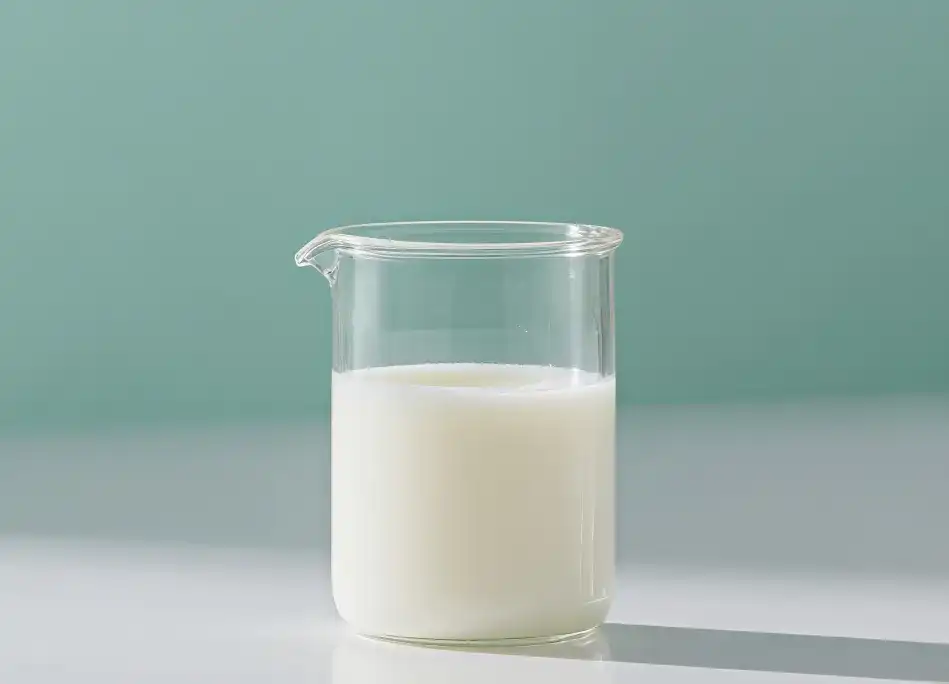
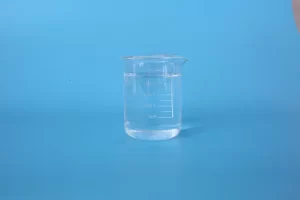
Emulsion PAM arrives as a high-concentration liquid flocculant, manufactured through water-in-oil emulsion technology. The process produces polymers with high conversion rates, substantial molecular weight, and stability that holds up during transport and storage. Anionic, cationic, and non-ionic versions all come out of this manufacturing approach.
The liquid format matters more than it might seem at first glance. Pour it into a mixing tank and it disperses within minutes rather than the hour-plus that powder forms typically require. Dosage control becomes straightforward since you’re measuring liquid volumes instead of weighing dusty powder and hoping it dissolves evenly. The polymer chains interact quickly with suspended particles, building flocs large enough to settle before your treatment window closes.
Getting Flocculation Right in Mobile Units
Flocculation optimization in mobile settings comes down to a handful of variables that interact in ways jar testing reveals better than guesswork.
Dosage sits at the center of everything. Too little PAM and particles stay suspended. Too much and you waste chemical while potentially creating other problems. Running jar tests with actual site water remains the most reliable way to find the sweet spot, though experienced operators develop intuition for ballpark ranges.
Mixing energy deserves more attention than it usually gets. The polymer needs enough agitation to disperse and contact contaminants, but excessive shearing breaks apart the flocs you’re trying to build. Mobile units often have limited mixing options, so working within those constraints requires adjusting dosage and contact time accordingly.
Settlement rates determine whether your clarification stage actually works within the physical space available. Compact mobile units don’t offer the luxury of massive settling basins, making efficient floc formation even more critical.
| Feature | Emulsion PAM (Typical) | Powder PAM (Typical) |
|---|---|---|
| Dissolution Rate | 5-15 minutes | 60+ minutes |
| Handling | Easy, liquid | Dust, mixing tanks |
| Storage Space | Reduced | Higher |
| Cold Temperature Perf. | Good | Can be challenging |
| Dosage Control | Precise | Less precise |
We recently showcased our commitment to green innovation in water treatment. If you’re interested, check 《Nuoer at 25th China International Petroleum & Petrochemical Technology Exhibition》.
Where Emulsion PAM Gets Used in the Field
The range of field applications keeps expanding as mobile treatment becomes more common across industries.
Industrial wastewater operations deploy emulsion PAM when facilities need temporary treatment capacity or when permanent infrastructure isn’t practical. Suspended solids come out efficiently enough to meet discharge requirements.
Mining water management presents some of the toughest challenges. Process water clarification and tailings dewatering both benefit from emulsion PAM’s fast action and effectiveness with fine particles. The environmental stakes run high in these applications.
Construction site dewatering generates enormous volumes of sediment-laden water that needs treatment before release. Emulsion PAM accelerates solid-liquid separation enough to keep pace with pumping operations.
Emergency water purification scenarios put the fastest premium on speed. When communities need potable water quickly, the rapid dissolution and high flocculation efficiency of emulsion PAM can make the difference between adequate response and failure.
Why Emulsion PAM Beats Traditional Options for Mobile Work
The advantages over conventional flocculants become obvious once you’ve worked with both in field conditions.
Liquid handling eliminates the dust exposure and mixing headaches that powder forms create. No more watching powder clump on the water surface while you try to break it up. Preparation time drops from an hour or more to minutes.
Cold weather performance separates emulsion PAM from alternatives that turn sluggish or fail entirely when temperatures drop. Mobile operations don’t get to choose their weather, so this reliability matters.
Storage footprint shrinks compared to powder inventory. Mobile units have limited space for everything, and chemical storage competes with equipment, spare parts, and crew supplies. The concentrated liquid form packs more treatment capacity into less volume.
Matching Emulsion PAM to Your Specific Situation
Product selection follows a logical sequence, though the variables interact enough that testing remains valuable.
Start with raw water characteristics. pH, turbidity, and suspended solids concentration all influence which polymer type performs best. The nature of the solids matters too, whether they’re primarily inorganic particles, organic material, or some combination.
Treatment goals shape the selection. Flocculation for clarification, dewatering for sludge volume reduction, and drinking water treatment each favor different product characteristics.
Operational constraints narrow the options further. Available mixing energy, settling time, and temperature conditions all factor into the decision.
anionic polyacrylamide selection generally works well for waters carrying high inorganic suspended solids. cationic polyacrylamide applications suit organic-rich wastewater better. Nonionic PAM uses tend toward systems where charge neutralization isn’t the primary mechanism driving flocculation.
| Water Type/Application | Recommended Emulsion PAM Type | Key Characteristics |
|---|---|---|
| Industrial Wastewater | Anionic/Cationic (High MW) | High solids, varying pH |
| Mining Tailings | Cationic (High Charge) | High clay content, acidic |
| Municipal Sludge | Cationic (Medium-High Charge) | Organic solids, dewatering |
| Potable Water Clar. | Nonionic/Anionic (Low Dose) | Low turbidity, sensitive to overdose |
| Construction Dewatering | Anionic/Cationic | Variable solids, rapid settlement needed |
We are committed to community development. Learn more about our initiatives in 《Nuoer Group Donates 300000 RMB to Rongzhuang Village》.
Where Mobile Water Treatment Technology Is Heading
The field keeps advancing, driven by pressure for better efficiency and reduced environmental impact.
Polymer chemistry continues evolving toward formulations that work at lower doses while handling a broader range of water conditions. The environmental profile of flocculants receives increasing scrutiny, pushing development toward products that break down more readily after use.
Smart systems are entering mobile treatment, using sensors and automated dosing to respond to changing water quality in real time. This addresses one of the persistent challenges in mobile work, where incoming water characteristics can shift dramatically over short periods.
Specialized emulsion PAM formulations targeting specific challenging water matrices are emerging. Rather than general-purpose products, these tailored solutions optimize performance for particular industry applications or contaminant profiles.
Partner with Shandong Nuoer for Advanced Water Treatment Solutions
Shandong Nuoer Biological Technology Co., Ltd. stands at the forefront of polyacrylamide innovation, offering a comprehensive range of high-performance emulsion PAM products tailored for the most demanding mobile water treatment applications. With over a decade of expertise, an annual production capacity of 200,000 tons of Polyacrylamide Emulsion, and a global sales network spanning 60+ countries, we are your trusted partner in achieving superior water clarification and operational efficiency. Contact our expert team today to discuss your specific project requirements and discover how our cutting-edge solutions can optimize your mobile water treatment units. Together, let’s achieve customer success and create lasting value. Phone: +86-532-66712876 | Email: en*****@***er.com
Frequently Asked Questions About Emulsion PAM in Mobile Water Treatment
How does emulsion PAM improve mobile water treatment efficiency?
Emulsion polyacrylamide significantly enhances mobile water treatment efficiency by offering rapid dissolution, superior flocculation kinetics, and effective solid-liquid separation across varying water conditions. Its liquid form allows for easier handling and precise dosage control, crucial for the dynamic nature of mobile units, leading to faster treatment times and higher water clarity.
What are the benefits of using emulsion polyacrylamide in temporary water treatment setups?
The benefits of using emulsion polyacrylamide in temporary water treatment setups include reduced storage space compared to powder forms, easier and safer handling, and improved performance in cold weather. Its high-activity formulation ensures effective contaminant removal, leading to compliant discharge and optimized sludge dewatering even in remote or emergency applications.
How to select the right PAM emulsion for different mobile water treatment applications?
Selecting the right PAM emulsion involves considering the raw water characteristics (pH, turbidity, suspended solids), the specific treatment goal (flocculation, dewatering, clarification), and the operational conditions of the mobile unit. Consulting with a specialist like Shandong Nuoer Biological Technology Co., Ltd. can help determine the optimal anionic, cationic, or nonionic emulsion PAM type and dosage for your unique mobile water treatment application.


 English
 Russian
 Arabic
 Spanish