
Picking the right acrylic acid grade matters more than most people realize. Small differences in purity can throw off polymerization reactions or leave you with a final product that underperforms. Getting this decision right saves money and headaches down the line. Here’s what actually separates glacial from technical grade acrylic acid and when each one makes sense.
What Glacial and Technical Grade Acrylic Acid Actually Are
Acrylic acid is a carboxylic acid with the formula CH₂=CHCOOH. It’s a colorless liquid with a sharp smell that mixes readily with water, alcohols, and ethers. This monomer forms the backbone of countless polymers and copolymers used across industries.
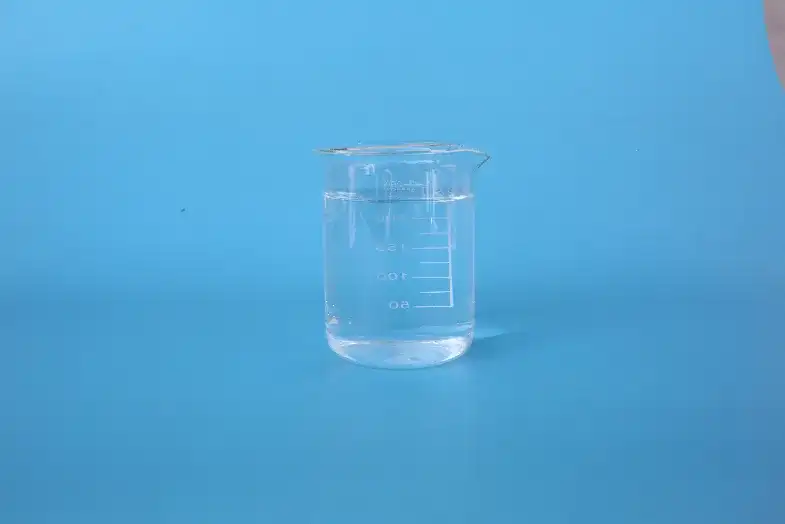
Glacial acrylic acid sits at the top of the purity scale, typically hitting 99.5% or higher. The name comes from how it behaves when cold. Drop the temperature below 13°C and it crystallizes into ice-like formations. Reaching this purity level requires serious purification work, usually fractional distillation combined with crystallization. When you need polymerization reactions to run clean without interference from stray contaminants, this is what you reach for.
Technical grade acrylic acid runs between 98% and 99% purity. That gap might sound small, but it means higher concentrations of water, propionic acid, and aldehydes. These compounds are manufacturing byproducts that survive less intensive purification. The tradeoff is cost. Technical grade costs less to produce and works perfectly well when ultra-high purity isn’t mandatory. Both grades serve important roles. The application determines which one fits.
Purity Specifications and What’s Actually in Each Grade
Numbers tell part of the story. Glacial acrylic acid exceeds 99.5% purity with extremely low levels of water, propionic acid, and aldehydes. Inhibitor content, typically hydroquinone monomethyl ether, gets calibrated carefully. You need enough to prevent premature polymerization during shipping and storage, but not so much that it interferes with downstream reactions.
Technical grade runs 98% to 99% purity. That difference shows up in the impurity profile. Water content affects reaction kinetics. Propionic acid, a saturated cousin of acrylic acid, won’t polymerize and can act as a chain transfer agent. Aldehydes create side reactions and sometimes cause color problems in finished polymers. Inhibitor levels still maintain stability, but the overall specification is looser than glacial grade.
These compositional differences ripple through manufacturing. Knowing exactly what’s in your raw material lets you maintain consistent output and avoid process surprises.
What Are the Key Purity Differences Between Glacial and Technical Grade Acrylic Acid
Glacial acrylic acid contains above 99.5% monomer with minimal water, propionic acid, and aldehydes. Technical grade typically falls between 98% and 99% purity, allowing slightly higher impurity levels across the board. Shandong Nuoer maintains strict quality control for both grades to meet industrial specifications.
How Purity Affects Polymerization and Final Product Quality
Purity choices cascade through the entire production process. High-purity glacial acrylic acid gives you control over polymerization kinetics. Impurities in lower grades can act as chain transfer agents, cutting polymer molecular weight short. They can also function as inhibitors, changing reaction rates and conversion efficiency in ways that are hard to predict.
Superabsorbent polymer production illustrates this clearly. Glacial grade delivers consistent polymer chain length and cross-linking density. That consistency translates directly into absorption capacity and gel strength. These aren’t abstract quality metrics. They determine whether a diaper actually works.
Technical grade introduces variability. Propionic acid can terminate growing polymer chains, broadening molecular weight distribution and potentially weakening mechanical properties. Aldehydes contribute to color formation and can reduce long-term polymer stability. None of this means technical grade is bad. It means you need to match the grade to what you’re making. Some applications tolerate variability better than others.
How Do Impurities in Technical Grade Acrylic Acid Affect Downstream Applications
Impurities can compromise end-product quality in application-specific ways. Coatings may show reduced clarity, poor adhesion, or premature yellowing. Adhesives can develop weaker bonds or decreased thermal stability. Water treatment chemicals like polyacrylamide might see reduced flocculation efficiency or unwanted side reactions. Grade selection and quality control help manage these risks.
Where Each Grade Works Best
Application requirements drive grade selection. Glacial acrylic acid goes where purity matters most. Superabsorbent polymers need it. High-performance coatings need it. Optical polymers and certain pharmaceutical intermediates need it. When clarity, stability, and absence of color are non-negotiable, glacial grade is the answer.
Technical grade covers a wider range of less demanding applications. General-purpose acrylic esters for paints, coatings, and adhesives work fine with it. Polyacrylamide for water treatment, detergents, textile auxiliaries, and ion-exchange resins all use technical grade routinely. Minor impurities don’t significantly affect performance in these contexts, and the cost savings add up.
| Application Area | Glacial Acrylic Acid | Technical Grade Acrylic Acid |
|---|---|---|
| Superabsorbent Polymers | Primary choice | Not recommended |
| High-Performance Coatings | Primary choice | Limited use |
| Adhesives and Sealants | Preferred | Common |
| Water Treatment Polymers | Optional | Common |
| Textile Auxiliaries | Optional | Common |
Which Acrylic Acid Grade Is Best Suited for Superabsorbent Polymer Production
Glacial acrylic acid is the clear choice for superabsorbent polymer production. The 99.5%+ purity is necessary for achieving target polymer chain length, cross-linking density, and consistent performance. Impurities in lower grades interfere with polymerization and reduce absorption capacity and gel strength. These properties directly affect hygiene product performance. Shandong Nuoer provides high-quality glacial acrylic acid optimized for SAP manufacturing.
Cost and Supply Chain Realities
Glacial acrylic acid costs more. The additional purification steps, advanced distillation, and crystallization all add to production expenses. For applications where performance depends on purity, that premium pays for itself through reduced waste, better efficiency, and superior products.
Technical grade offers savings for high-volume applications where minor impurities don’t hurt performance. The price difference matters when you’re buying in quantity.
Supply availability fluctuates with market demand and regional production capacity. Shandong Nuoer produces 100,000 tons of acrylic acid annually, providing stable supply for domestic and international customers. Our global sales network and after-sales service system support efficient logistics and reliable delivery schedules.
Shandong Nuoer’s Approach to Acrylic Acid Production
Shandong Nuoer Biological Technology Co., Ltd. combines research, development, production, and service for essential chemical products. Our 100,000-ton annual acrylic acid capacity reflects our commitment to meeting global industrial needs. We also produce 300,000 tons of acrylamide, 500,000 tons of polyacrylamide, and 560,000 tons of superabsorbent resin.
Our products reach over 60 countries and regions through a global sales network backed by comprehensive after-sales support. Quality control measures ensure both glacial and technical grade acrylic acid meet industry standards. Our mission centers on achieving customer success and creating value through reliable products and service.
Partner with Shandong Nuoer for Your Acrylic Acid Needs
Get the right acrylic acid grade for your application. Shandong Nuoer Biological Technology Co., Ltd. offers a full range of acrylic acid, polyacrylamide, and superabsorbent resin products supported by extensive R&D and global service capabilities. Contact our team to discuss your requirements and find solutions that fit your manufacturing goals.
Email: en*****@***er.com
Phone: +86-532-66712876
What Is the Primary Distinction Between Glacial and Technical Grade Acrylic Acid
Purity level is the main difference. Glacial acrylic acid reaches 99.5% or higher with minimal impurities, making it suitable for applications requiring exceptional clarity and performance. Technical grade runs around 98-99% purity and may contain trace impurities that affect certain downstream applications. Shandong Nuoer maintains stringent quality control for both grades.
Can Technical Grade Acrylic Acid Be Used Interchangeably with Glacial Grade in All Applications
No. Technical grade works for many industrial uses, but glacial grade is necessary for sensitive applications like superabsorbent polymers, high-performance coatings, and certain pharmaceutical intermediates. Trace impurities in technical grade can affect product quality, reaction kinetics, or regulatory compliance in these contexts. Shandong Nuoer can help determine the right choice for your specific application.
What Are the Common Industrial Applications for Each Acrylic Acid Grade
Glacial acrylic acid goes into superabsorbent polymers, high-purity resins, and specialized coatings where high purity ensures superior performance. Technical grade serves broader applications including general-purpose acrylic esters, detergents, water treatment chemicals like polyacrylamide, and textile auxiliaries. Shandong Nuoer supplies both grades across a wide range of industries.


 English
 Russian
 Arabic
 Spanish