
Picking the right acrylamide monomer grade sounds straightforward until you realize how much rides on that decision. The gap between high purity and technical grade affects everything from batch consistency to your bottom line, and getting it wrong means wasted materials or compromised products.
What Actually Separates High Purity from Technical Grade
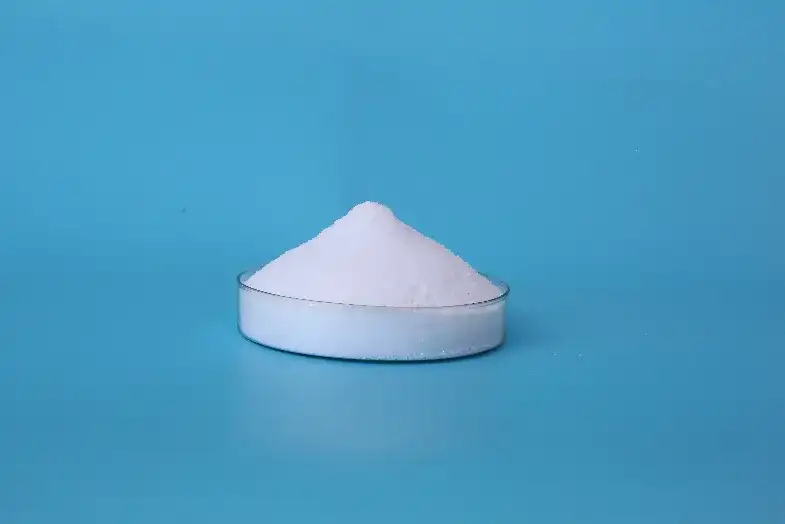
Acrylamide monomers serve as the foundation for polymer synthesis, and their purity directly shapes what you end up with. High purity acrylamide monomer, like Acrylamide Monomer Crystal, keeps impurities remarkably low. AM Crystal hits ≥ 98.0% purity, with moisture content ≤ 0.8% and inhibitor levels between 3–10 ×10⁻⁶. Conductivity stays at ≤ 20 μS/cm, and iron content measures ≤ 1 ×10⁻⁶. These tight specifications mean fewer surprises during polymerization.
Technical grade acrylamide monomers work fine for plenty of industrial uses, though they carry higher impurity loads. Residual acrylic acid, acrylonitrile, and various metal ions show up more frequently, influencing reaction kinetics and final product quality. Acrylamide Aqueous Solution can contain acrylonitrile ≤ 0.1% and acrylic acid ≤ 0.3%, with conductivity ranging from 5–30 μS/cm depending on the specific grade. Those impurity concentrations determine where each grade makes sense, whether that’s water treatment or advanced material synthesis.
How Production Methods Create Quality Differences
High purity and technical grade acrylamide monomers come from different manufacturing approaches, and the quality control intensity varies accordingly. High purity acrylamide typically relies on advanced microbial technology, which naturally limits impurity formation. The process uses enzymatic conversion of acrylonitrile to acrylamide, followed by extensive purification. Multiple crystallization stages, filtration, and ion exchange remove trace impurities, with each step monitored closely to hit target purity levels. AM Crystal production uses this advanced microbial approach, delivering ultra-low impurities and reliable polymerization performance.
Technical grade acrylamide still meets quality standards, but purification runs less intensively. Traditional chemical synthesis routes or fewer purification cycles leave higher concentrations of by-products. Quality control for technical grade focuses on meeting broader industry benchmarks rather than the exacting specifications high purity grades demand. This processing difference explains the varying impurity profiles and why each grade fits different applications.
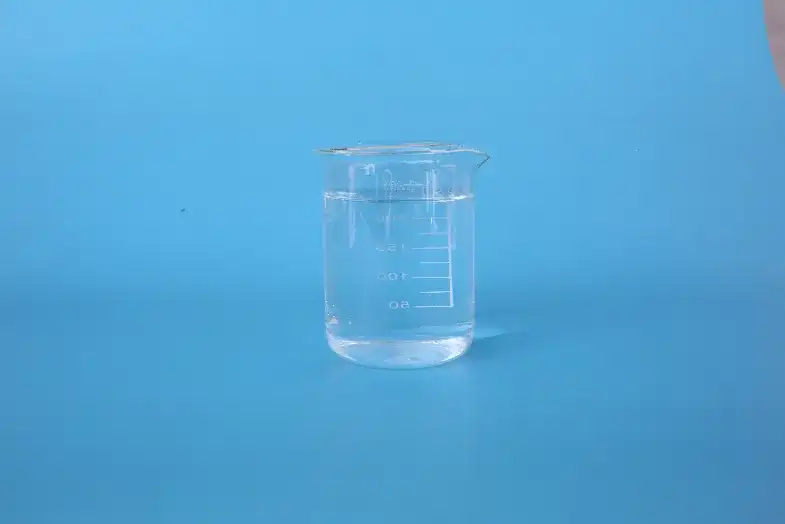
What are the key differences in manufacturing processes for high purity versus technical grade acrylamide?
High purity acrylamide production, like that used for AM Crystal, involves advanced microbial technology paired with sophisticated purification techniques. Multi-stage crystallization and specialized filtration meticulously remove trace impurities, ensuring exceptional chemical purity. Technical grade acrylamide might use simpler catalytic processes and fewer purification cycles, resulting in acceptable purity for general industrial applications but with higher residual monomers or by-products. The rigorous purification for high purity grades ensures minimal interference in sensitive applications.
What Purity Means for Polymerization and Final Products
Monomer purity shapes polymerization performance and determines what the final polymer can actually do. Impurities in technical grade monomers can act as chain transfer agents or inhibitors, throwing off polymerization kinetics. Slower reaction rates, lower molecular weights, and broader molecular weight distributions often follow. Higher acrylic acid levels, for instance, can cause premature termination or branching during polymerization, weakening the polymer’s structural integrity.
High purity acrylamide, with its minimal impurity profile, delivers predictable and consistent polymerization. Higher conversion rates, more uniform molecular weights, and enhanced polymer stability become achievable. Polymers derived from high purity monomers consistently show superior mechanical properties, thermal stability, and long-term performance. This matters most when polymer consistency and reliability cannot be compromised.
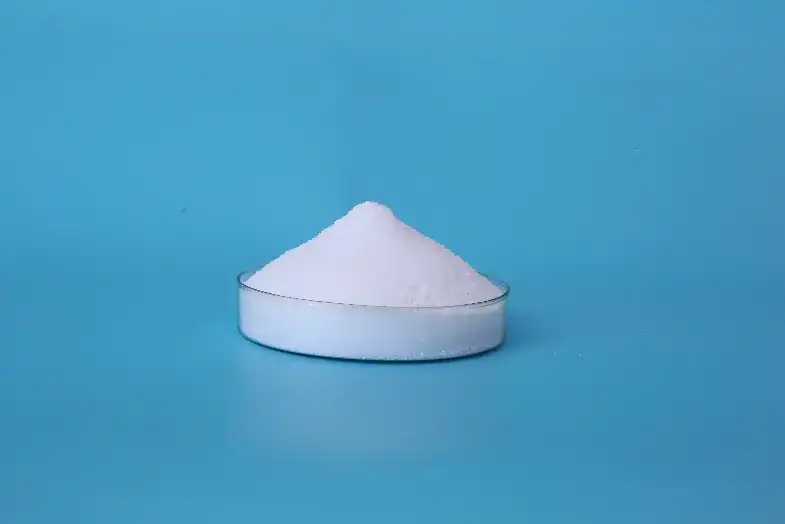
How does the purity of acrylamide monomer affect the performance and stability of final polymer products?
Monomer purity directly influences final polymer performance by minimizing undesirable side reactions. Impurities, even in trace amounts, can lead to chain transfer, cross-linking, or premature termination during polymerization. The result is often polymers with inconsistent molecular weights, reduced mechanical strength, and decreased thermal stability. High purity monomers create a cleaner reaction environment, producing polymers with optimal characteristics, enhanced stability, and predictable long-term performance. This proves especially valuable for demanding applications in biotechnology.
Matching Grades to Application Requirements
The choice between high purity and technical grade acrylamide monomers comes down to what the application actually demands. High purity monomers become necessary in fields requiring stringent chemical control and minimal interference. Biotechnology, medical diagnostics, and advanced material synthesis fall into this category, where even trace impurities can compromise product integrity or experimental results. Gel electrophoresis, for example, needs high purity acrylamide to achieve precise separation of biomolecules.
Technical grade acrylamide offers a cost-effective solution for large-scale industrial processes where absolute purity matters less. Water treatment, oil recovery, and papermaking commonly use technical grade monomers for synthesizing Polyacrylamide Supplier OEM and copolymers. Regulatory requirements also factor in, as certain applications have specific purity standards that mandate high purity grades. Evaluating performance needs, cost implications, and regulatory compliance together guides the right monomer selection.
Which specific applications require high purity acrylamide monomer for optimal results?
Biotechnology, medical diagnostics, and advanced material synthesis all require high purity acrylamide monomer. Biotechnology applications use it for synthesizing reagents in DNA sequencing and protein separation. Medical diagnostics depend on ultra-high purity for consistent and reliable assay performance. Advanced material synthesis, particularly for specialized polymers and hydrogels, demands high purity to achieve precise material properties and avoid performance degradation. These fields simply cannot tolerate the impurities present in technical grade alternatives.
Weighing Costs Against Performance Benefits
Economic considerations for choosing between high purity and technical grade acrylamide monomers go beyond the initial purchase price. High purity monomers cost more per unit, but their use can generate significant long-term savings and performance benefits. Fewer batch failures, improved product consistency, and enhanced final product quality often offset the higher material cost. In sensitive polymerization processes, using high purity monomer can prevent costly rework or rejection of entire product batches.
Technical grade acrylamide makes sense when its purity level meets application requirements, providing substantial raw material cost savings. A thorough cost-benefit analysis should consider potential impacts on process efficiency, equipment lifespan, and end-product market value. The best procurement strategy balances upfront costs with operational efficiencies and the performance requirements of the final application.
| Feature | High Purity Acrylamide Monomer | Technical Grade Acrylamide Monomer |
|---|---|---|
| Purity Level | ≥98.0% | Typically 95-97% |
| Impurity Profile | Ultra-low (e.g., acrylic acid <0.1%) | Higher (e.g., acrylic acid >0.3%) |
| Cost | Higher | Lower |
| Application Suitability | Sensitive, high-performance applications | General industrial applications |
| Polymerization Consistency | Excellent | Good to Moderate |
Where Acrylamide Production Technology Is Heading
Acrylamide production continues evolving, driven by demands for higher purity, sustainability, and efficiency. Emerging technologies focus on developing more selective synthesis routes and advanced purification methods. Novel biocatalytic processes that produce acrylamide with even lower impurity levels and reduced environmental impact are under exploration. Advances in analytical techniques allow more precise detection and quantification of trace impurities, pushing purity standards further.
These innovations will likely yield new acrylamide monomer grades tailored for highly specialized applications in nanomedicine and advanced electronics. Shandong Nuoer Biological Technology Co., Ltd. stays at the forefront of these developments, continuously investing in research and development to enhance production capabilities and meet evolving industry needs. The commitment to sustainable chemical production ensures contributions to a greener future while delivering superior products.
Partner with Shandong Nuoer Biological Technology
As a leading global manufacturer, Shandong Nuoer Biological Technology Co., Ltd. delivers both high purity and technical grade acrylamide monomers tailored to precise industrial needs. With an annual production capacity of 300,000 tons and a robust global sales network, we ensure unparalleled product quality and dedicated service. Contact us today to discuss how our expertise can drive your success and help you achieve your manufacturing goals. Reach out to our specialists at +86-532-66712876 or en*****@***er.com for a consultation.
Frequently Asked Questions About Acrylamide Monomer Grades
What are the primary indicators for distinguishing between high purity and technical grade acrylamide?
The primary indicators include the concentration of the main compound, the levels and types of impurities (e.g., Glacial Acrylic Acid, metals), and the specific analytical methods used for quality assurance. High purity grades exhibit significantly lower impurity profiles, making them suitable for sensitive applications. AM Crystal, for example, has stringent specifications for various trace elements, ensuring its suitability for demanding uses.
Can technical grade acrylamide monomer be used in applications requiring high purity standards?
Technical grade acrylamide monomer generally does not suit applications demanding high purity standards. Its higher impurity content can lead to undesirable side reactions, affect polymerization kinetics, and compromise the performance and stability of the final polymer product. This holds especially true in biotechnology or advanced material synthesis. Using technical grade where high purity is required can result in significant product failures and economic losses.
How does Shandong Nuoer Biological Technology ensure the quality and purity of its acrylamide products?
Shandong Nuoer Biological Technology ensures quality and purity through stringent quality control measures at every production stage, from raw material sourcing to advanced purification processes. State-of-the-art analytical techniques verify specifications, ensuring high purity and technical grade acrylamide monomers consistently meet or exceed industry standards and customer expectations. The microbial technology used for acrylamide synthesis reflects this commitment.


 English
 Russian
 Arabic
 Spanish