
Choosing the right non-ionic polyacrylamide comes down to molecular weight, and getting this wrong can mean the difference between a process that runs smoothly and one that drains your budget. The polymer chains behave differently depending on their length, and that behavior shapes everything from how fast solids settle to whether your suspension stays stable. What follows breaks down when high molecular weight makes sense, when low molecular weight works better, and how to match the product to your actual operating conditions.
What Makes Non Ionic Polyacrylamide Work
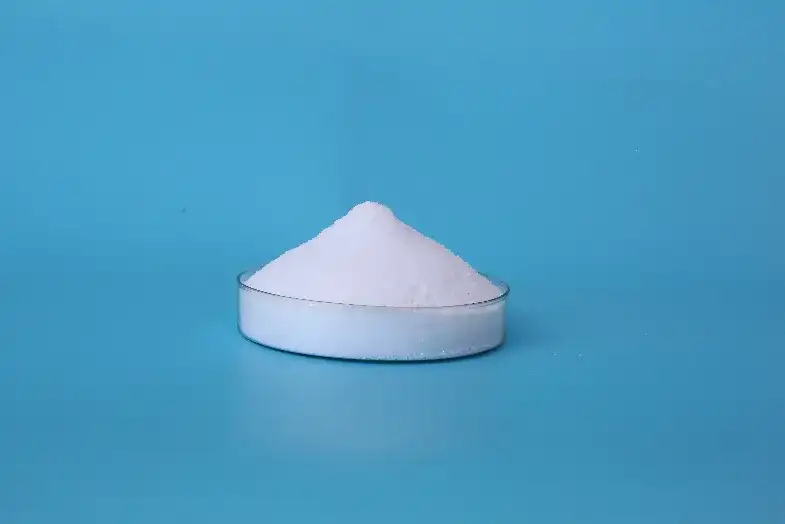
Non-ionic polyacrylamide is a homopolymer of acrylamide with high purity, excellent solubility, and high molecular weight. The product series consists of linear polymers with a low degree of ionization. This molecular structure allows non-ionic PAM to function as a flocculant, dispersant, thickener, binder, film-former, gel-former, and colloidal stabilizer. Flocculation performance stays largely unaffected by pH and salt concentrations, and the polymer performs better under acidic conditions than highly anionic polyacrylamide. Without charges on the polymer backbone, interactions rely on hydrogen bonding and van der Waals forces. Shandong Nuoer Biological Technology Co. produces non-ionic polyacrylamide with consistent performance across batches.
How High Molecular Weight Non Ionic PAM Performs
High molecular weight non-ionic PAM works best when you need strong particle aggregation and efficient solid-liquid separation. The long polymer chains bridge suspended particles together, forming large, dense flocs that drop out of suspension quickly. This bridging mechanism drives faster sedimentation and cleaner supernatant. In wastewater treatment, higher molecular weight polymers improve sludge dewatering by creating more stable, compact flocs. The extended chain length means each polymer molecule can grab onto multiple particles at once, which speeds up separation and cuts processing time.
What High Molecular Weight Does for Flocculation
Longer polymer chains provide more contact points for bridging, which builds larger, stronger flocs. The data backs this up: high molecular weight non-ionic PAM consistently produces faster settling times and better particle aggregation. This translates directly to drier filter cakes and clearer effluent across different industrial settings.
| Application Area | Benefits of High MW Non-Ionic PAM |
|---|---|
| Sludge Dewatering | Significantly reduces sludge volume, improves cake dryness. |
| Wastewater Clarification | Enhances removal of suspended solids, leading to clearer water. |
| Mineral Processing | Accelerates tailings sedimentation, boosts concentrate recovery. |
| Paper Manufacturing | Improves fiber retention and drainage on paper machines. |
| Industrial Thickening | Increases solids concentration in slurries and suspensions. |
Where Low Molecular Weight Non Ionic PAM Fits
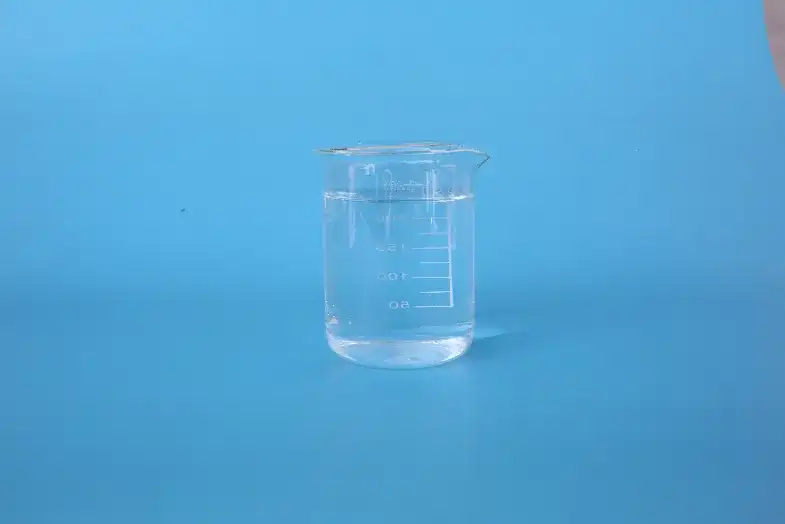
Low molecular weight non-ionic PAM solves different problems. The shorter polymer chains stabilize particle suspensions instead of pulling them together, which makes the product effective as a dispersant. These shorter chains also hold up better under shear, so they work well in systems with aggressive mixing. Low molecular weight PAM controls fluid rheology in drilling fluids and coatings, and it optimizes filter cake properties without blinding the filter media. The applications that benefit most are ones where you need fine control over particle behavior rather than aggressive flocculation.
Picking Low Molecular Weight for the Right Reasons
Low molecular weight non-ionic PAM makes sense when the process demands something other than strong floc formation. Shear stability matters in high-mixing environments, and shorter chains survive that punishment better. The product also works for preventing scale, stabilizing emulsions, or hitting specific viscosity targets. If your process needs rheological control or better filtration rates, this is the direction to look.
| Application Area | Benefits of Low MW Non-Ionic PAM |
|---|---|
| Dispersing Agents | Prevents particle aggregation, ensuring uniform suspensions. |
| Viscosity Modifiers | Controls fluid rheology in coatings, drilling fluids, and adhesives. |
| Filtration Aids | Improves filter cake structure, enhances liquid-solid separation. |
| Textile Processing | Acts as a sizing agent or thickener for printing pastes. |
| Oilfield Applications | Used for fluid loss control and shale stabilization. |
Comparing Performance Between Molecular Weights
The choice between high and low molecular weight non-ionic PAM depends on what the process actually needs. High molecular weight polymers build large flocs that settle fast and leave clear supernatant. Low molecular weight polymers disperse particles, modify viscosity, and survive shear better. Shandong Nuoer Biological Technology Co. offers both, so the selection can match the specific application.
| Feature | High Molecular Weight Non-Ionic PAM | Low Molecular Weight Non-Ionic PAM |
|---|---|---|
| Primary Function | Flocculation, bridging | Dispersion, viscosity modification, filtration aid |
| Floc Size | Large, robust flocs | Small, stabilized particles (or no flocs) |
| Settling Velocity | High | Low (or stable suspension) |
| Supernatant Clarity | Excellent | Good (for dispersion), variable (for filtration) |
| Viscosity of Solution | High | Low |
| Shear Stability | Lower (prone to chain breakage) | Higher |
Getting the Selection Right
Matching non-ionic PAM to the process means looking at particle size distribution, pH, ionic strength, and how much shear the system generates. These factors point toward the molecular weight that will actually perform. A structured approach to this analysis prevents expensive trial-and-error and keeps operating costs where they should be.
Industry Applications That Rely on Non Ionic PAM
Non-ionic polyacrylamide shows up across a wide range of industries. Mining operations use high molecular weight versions for tailings thickening and water recovery. Paper mills depend on it for retention and drainage improvements. Wastewater treatment plants run it through their sludge dewatering and clarification systems. Low molecular weight non-ionic PAM handles fluid loss control in oilfield work and sizing in textile processing. The products are built to handle the demands of each environment.
What Sustainable Development Looks Like for Non Ionic PAM
Research is pushing toward greener polyacrylamide solutions with lower environmental impact. This includes products with reduced residual monomer content and work on biodegradable alternatives. Shandong Nuoer Biological Technology Co. is investing in these directions, aiming to improve product efficiency while shrinking the ecological footprint.
Nuoer Group has backed this commitment with action beyond the lab. 《Nuoer Group Donates Sanitary Pads to Rongzhuang Village》 and 《Nuoer Biology Builds New Plastic Playground in Xianhe Town》 reflect the broader approach to community and environmental responsibility that shapes how the company operates.
Working with Shandong Nuoer Biological Technology Co.
Shandong Nuoer Biological Technology Co. offers polyacrylamide solutions across the molecular weight spectrum, backed by a global sales network and dedicated support. Contact the team to discuss specific requirements and find the product that fits your process. Phone: +86-532-66712876 | Email: en*****@***er.com
How does molecular weight affect non-ionic PAM flocculation?
Molecular weight shapes how non-ionic PAM interacts with particles. Higher molecular weight promotes stronger bridging flocculation, which builds larger flocs that settle faster and leave cleaner supernatant. This works well for sludge dewatering and wastewater clarification. Lower molecular weight versions may be used for dispersion or filtration where smaller particle interactions matter more.
What are the primary applications for high molecular weight non-ionic PAM?
High molecular weight non-ionic PAM handles applications that need strong flocculation and efficient solid-liquid separation. Municipal and industrial wastewater treatment uses it for sludge dewatering. Mineral processing relies on it for tailings thickening. Paper manufacturing benefits from improved retention and drainage. The ability to form large, stable flocs drives effectiveness in these separation processes.
When should low molecular weight non-ionic PAM be preferred?
Low molecular weight non-ionic PAM fits applications that need something other than strong bridging flocculation. Viscosity modification, dispersion to prevent particle aggregation, and filtration aid functions all favor shorter polymer chains. Shear stability matters in high-mixing systems, and specific rheological properties in oilfield or textile processes often call for this molecular weight range.


 English
 Russian
 Arabic
 Spanish