
Acrylamide aqueous solution sits at the heart of polymer chemistry in ways that most people outside the industry never see. I’ve watched this monomer transform from a clear liquid in a storage tank into polyacrylamide products that clean municipal water supplies, help extract oil from aging reservoirs, and recover minerals from slurry that would otherwise be waste. The chemistry itself is straightforward, but getting the purity right and keeping the solution stable until it reaches the reactor—that’s where the real work happens.
What Makes Acrylamide Aqueous Solution Work as a Chemical Intermediate
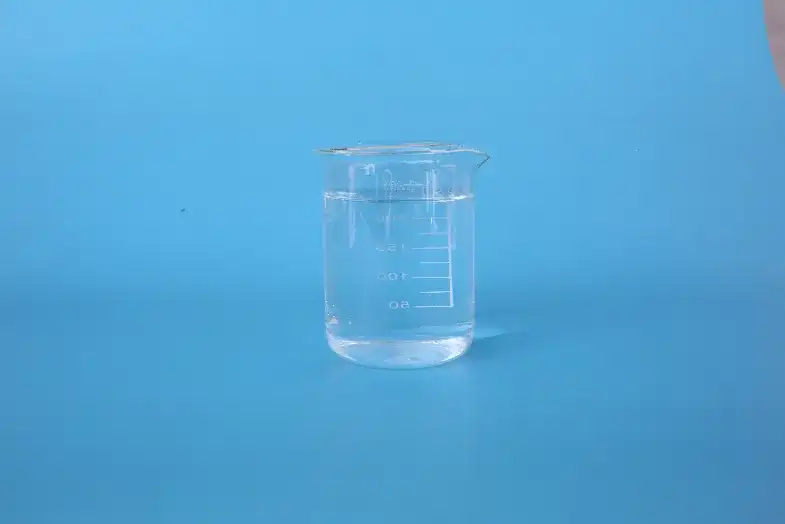
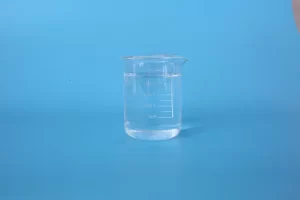
Acrylamide aqueous solution is essentially the acrylamide monomer dissolved in water at controlled concentrations. This solution functions as the primary building block for synthesizing various polyacrylamide polymers. Shandong Nuoer Biological Technology Co., Ltd. produces AM Aqueous Solution (Acrylamide Solution) with typical concentrations ranging from 25% to 50%. These solutions are specifically designed for efficient polymer synthesis.
The production process employs advanced microbial technology, which ensures ultra-low impurity levels and robust polymerization performance. Key parameters for our acrylamide aqueous solution include an acrylamide content of 28–30%, 38–42%, or 48–52%, with customizable options available. Impurity levels are meticulously controlled. Acrylonitrile stays at ≤ 0.1% and acrylic acid at ≤ 0.3%. The pH typically ranges from 7.0–9.0, and conductivity is maintained between 5–30 μS/cm, depending on the grade. Inhibitor content is precisely adjusted from 0–100 ppm, and the color is kept at ≤ 20. This chemical is soluble in water, acetone, and ethanol, ensuring broad utility.
Stability matters more than most people realize. Heat and UV light can trigger premature polymerization, which ruins the batch before it ever reaches the reactor. Proper storage conditions protect the acrylamide aqueous solution and maintain product integrity. Our commitment to these specifications guarantees a reliable and high-performance acrylamide monomer for diverse industrial needs.
Where Acrylamide Aqueous Solution Creates Real Industrial Value
Acrylamide aqueous solution serves as the essential precursor for producing polyacrylamide, a versatile polymer with extensive industrial applications. Polyacrylamide is widely utilized as a flocculant, coagulant, and rheology modifier across numerous sectors. Its effectiveness stems from its ability to aggregate suspended particles, clarify liquids, and modify fluid viscosity.
The primary applications include water treatment, where polyacrylamide significantly enhances solid-liquid separation. It also plays a vital role in paper making as a retention aid and drainage enhancer. In the mining industry, polyacrylamide acts as a flocculant for mineral processing and tailings management. It is a key component in drilling fluids for oil and gas exploration. The textile industry uses it for sizing and finishing, while sugar refining benefits from its clarification properties.
| Application Sector | Primary Function of Polyacrylamide | Key Benefit |
|---|---|---|
| Water Treatment | Flocculant, Coagulant | Enhanced solid-liquid separation |
| Paper Making | Retention Aid, Drainage Enhancer | Improved paper quality, reduced energy |
| Mining | Flocculant, Tailings Management | Efficient mineral recovery, environmental compliance |
| Oil & Gas | Drilling Fluid Additive | Viscosity control, fluid loss reduction |
| Textiles | Sizing, Finishing Agent | Improved fabric strength, smoother finish |
How does acrylamide aqueous solution contribute to effective water treatment?
Acrylamide aqueous solution is the monomer used to synthesize polyacrylamide, which acts as a powerful flocculant in water treatment systems. Polyacrylamide aids in the flocculation and coagulation processes by neutralizing charges and bridging suspended particles. This action causes smaller particles to agglomerate into larger, more easily settled flocs. The result is efficient removal of impurities from wastewater and improved water clarification. This mechanism is essential for sludge dewatering agents and overall wastewater treatment chemicals.
How Acrylamide Polymers Perform in Oil Recovery and Mining
Acrylamide-derived polymers are critical in Enhanced Oil Recovery (EOR) operations, particularly in polymer flooding techniques. These polymers, often high molecular weight polyacrylamides, increase the viscosity of injected water. This viscosity modification improves sweep efficiency, pushing more oil out of the reservoir. The use of Polyacrylamide Supplier OEM significantly enhances oil displacement, leading to higher recovery rates from mature oilfields.
In mining, acrylamide aqueous solution provides the raw material for flocculants used in mineral processing. These polymers facilitate the separation of valuable minerals from gangue by promoting rapid settling of fine particles in slurries. This improves the efficiency of mineral extraction and reduces the volume of tailings. Our products are designed to meet the rigorous demands of these applications, ensuring optimal performance and economic benefits.
You might be interested in our recent contributions to local communities. Read more about it here: 《Nuoer Group Donates 300000 RMB to Rongzhuang Village》.
Why Purity Standards Determine Downstream Polymer Performance
Maintaining stringent quality control and purity standards is paramount for industrial acrylamide aqueous solutions. Impurities can significantly compromise the performance of downstream polymers, affecting their molecular weight, charge density, and overall effectiveness in applications like flocculation or viscosity modification. We ensure our AM Aqueous Solution adheres to strict specifications for acrylamide content, acrylonitrile, and acrylic acid levels.
Our production facilities prioritize consistent quality through advanced microbial technology, which minimizes contaminants. This commitment extends to our supply chain, ensuring reliable delivery of high-purity acrylamide aqueous solution products to our global clientele. Regular audits and adherence to international standards guarantee that our industrial chemical supply chain is robust and dependable. This minimizes operational risks for our customers.
Why is high-purity acrylamide crucial for polymer synthesis?
Impurities interfere with the polymerization process in ways that show up immediately in the final product. Contaminants can reduce polymerization efficiency, alter molecular weight distribution, and negatively impact the performance of the final polyacrylamide product. A batch of acrylamide aqueous solution with elevated acrylonitrile levels might produce a polymer that underperforms in water treatment or fails to achieve the viscosity needed for Enhanced Oil Recovery. Consistent product performance depends on starting with clean monomer.
Safe Handling Practices and Regulatory Requirements
Safe handling and storage of acrylamide aqueous solutions are non-negotiable in industrial settings. Proper protocols minimize exposure risks and ensure environmental protection. We provide comprehensive safety data sheets and guidelines that detail appropriate personal protective equipment (PPE), ventilation requirements, and emergency procedures for spills or accidental contact.
Storage facilities must be cool, dry, and well-ventilated, away from direct sunlight and strong oxidizing agents. Compatible materials, such as stainless steel or high-density polyethylene, are essential for storage containers to prevent degradation or contamination. Adherence to international and local regulatory frameworks, including those from bodies like the EPA and REACH, is critical for compliance and responsible chemical management of acrylamide aqueous solution.
What are the key safety considerations when handling acrylamide aqueous solutions in industrial settings?
Appropriate personal protective equipment (PPE) is the first line of defense. This includes chemical-resistant gloves, safety goggles, and protective clothing. Ensuring adequate ventilation in work areas is crucial to minimize inhalation exposure. Facilities must have clear spill response plans and emergency procedures, including eyewash stations and safety showers. Proper training for personnel on chemical safety protocols and the toxicology of acrylamide is also essential to prevent incidents.
Partner with Shandong Nuoer Biological Technology Co., Ltd.
As a leading high-tech enterprise with over a decade of expertise, Shandong Nuoer Biological Technology Co., Ltd. is committed to delivering superior industrial acrylamide aqueous solutions. With an annual production capacity of 300,000 tons and a global sales network spanning 60+ countries, we ensure unparalleled product quality, reliability, and service. Partner with us to achieve your operational excellence and contribute to a brighter future. Contact our experts today for technical consultation or to discuss your specific industrial requirements.
Email: en*****@***er.com
Phone: +86-532-66712876
Frequently Asked Questions About Industrial Acrylamide Aqueous Solutions
How do different concentrations of acrylamide aqueous solution impact its performance in flocculation?
The concentration of acrylamide aqueous solution directly influences the molecular weight and charge density of the resulting polyacrylamide. Higher concentrations often lead to higher molecular weight polymers, which enhances bridging flocculation where long polymer chains physically connect particles. Lower concentrations might be optimized for specific charge neutralization applications where the polymer neutralizes surface charges on particles. Selecting the optimal concentration is critical for achieving desired performance in water treatment and other industrial processes.
Which regulatory standards apply to the production and use of industrial acrylamide solutions?
Industrial acrylamide aqueous solutions are subject to various international and national regulatory standards concerning chemical manufacturing, transportation, handling, and environmental discharge. These include regulations from bodies like the EPA (USA), REACH (EU), and national chemical safety agencies, which dictate limits on impurities, exposure, and waste management. Compliance with these standards is paramount for responsible production and use.
What are the typical storage requirements for maintaining the stability and purity of acrylamide aqueous solution?
To maintain the stability and purity of acrylamide aqueous solution, store it in cool, dry, and well-ventilated areas, away from direct sunlight and strong oxidizing agents. Storage containers should be made of compatible materials, typically stainless steel or high-density polyethylene, to prevent contamination or degradation. Proper sealing and temperature control are crucial to inhibit polymerization and maintain product integrity over time.





 English
 Russian
 Arabic
 Spanish