
Picking the right retention aid can make or break your papermaking operation. Fiber and fines retention affects everything from final product quality to how much money walks out the door with your white water. Non-ionic polyacrylamide has earned its place in specific papermaking environments for good reasons. Here’s what you need to know about how non-ionic PAM works and where it makes sense to use it.
What Makes Non Ionic Polyacrylamide Different
Non-ionic polyacrylamide is a homopolymer of acrylamide with high purity and excellent solubility. This linear polymer has a low ionization degree and high molecular weight, which gives it flexibility as a chemical additive. The key distinction from cationic or anionic versions is how it works. Non-ionic PAM operates through physical mechanisms rather than electrostatic interactions. It doesn’t care much about pH swings or charge demand fluctuations in your pulp system. Cationic and anionic types depend on charge neutralization or bridging to do their job. Non-ionic PAM takes a different path entirely. Getting familiar with these paper chemistry fundamentals helps when you’re sorting through retention aid options.
How Non Ionic PAM Captures Fiber Fines
Non-ionic PAM holds onto fibers and fines through flocculation and bridging. Drop it into the pulp slurry and those long polymer chains grab onto fiber surfaces and fine particles. The adsorbed polymers reach out into the surrounding liquid and form bridges between multiple particles. Smaller particles clump together into larger flocs that stay put instead of washing away. Fiber fines, pigments, fillers—they all get captured before they can escape into the white water. Better aggregation means better drainage and cleaner sheet formation on the paper machine.
What Non Ionic PAM Does for Paper Machine Performance
Non-ionic PAM pays off in measurable ways on the machine. Keeping more fibers and fines where they belong improves dewatering on the wire section. Less water to remove means less energy burned getting rid of it. Wet end chemistry stays more predictable, which cuts down on breaks and keeps the machine running steadier. The numbers from actual operations tell the story.
| Performance Metric | Before Non-Ionic PAM | After Non-Ionic PAM | Improvement |
|---|---|---|---|
| First Pass Retention (%) | 55 | 70 | 27% |
| Drainage Rate (ml/min) | 120 | 150 | 25% |
| Energy Consumption (kWh/ton) | 1200 | 1080 | 10% |
| Sheet Formation Index | 0.8 | 0.9 | 12.5% |
For additional insights into how we contribute to industry advancements, consider reading about our participation in the 《Nuoer at 32nd China International Paper Technology Exhibition 2025》.
Where Non Ionic PAM Works Best
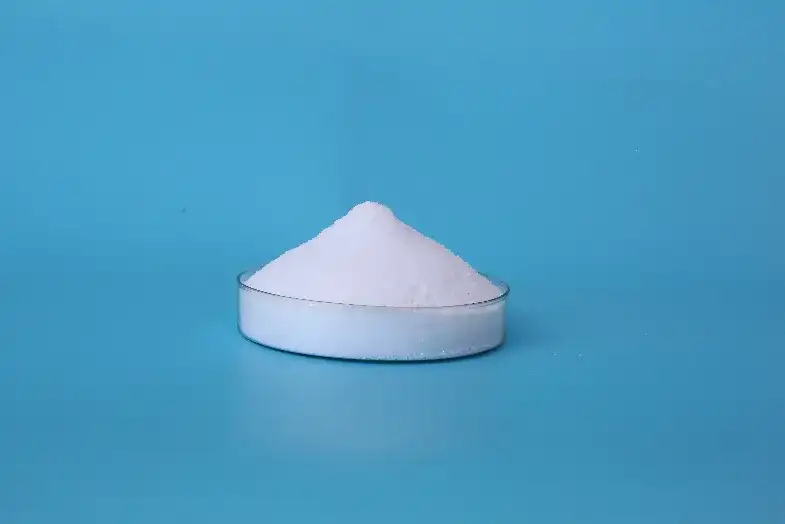
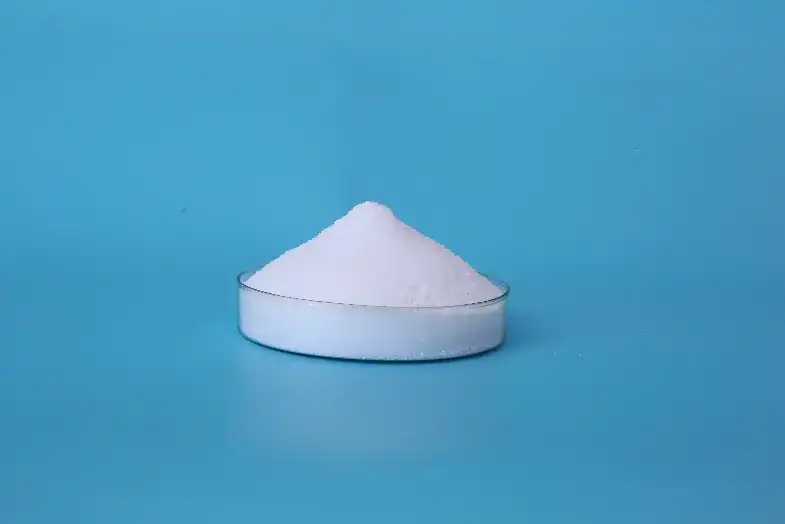
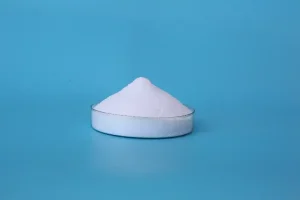
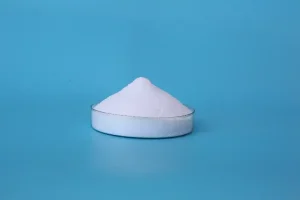
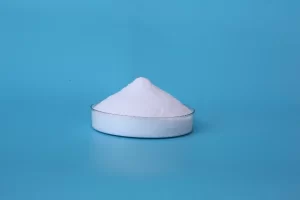
Non-ionic PAM shines in pulp systems where other retention aids struggle. Charge neutrality means it performs regardless of zeta potential. When your charge demand bounces around or other ionic additives start interfering with each other, non-ionic PAM keeps working. Specialty paper production often requires precise surface charge control. Ionic additives can throw that off. Non-ionic PAM sidesteps the problem entirely. Nonionic Polyacrylamide Powder helps improve paper quality, cut raw material losses, and stabilize processes across different paper grades.
Getting the Dosage Right
Finding the sweet spot with non-ionic PAM takes some work. Pulp furnish composition matters. Machine speed matters. Water chemistry matters. Lab testing gives you a starting point, but on-site trials reveal what actually happens in your specific setup. Watch your retention rates, drainage, and sheet formation closely while you dial in the dosage. Sometimes the fix involves moving the addition point or switching to a different molecular weight. Consistent monitoring catches problems before they become expensive.
Partner with Nuoer for Advanced Papermaking Solutions
Shandong Nuoer Biological Technology Co., Ltd. is a global leader in polyacrylamide innovation, empowering the paper industry with superior retention solutions. Our non-ionic PAM products are engineered for unparalleled performance, enhancing efficiency and quality across diverse papermaking operations. Connect with our experts to optimize your retention systems and achieve your production goals. Contact us today to explore tailored solutions and drive your success. Phone: +86-532-66712876 | Email: en*****@***er.com
Frequently Asked Questions About Non Ionic PAM
How does non-ionic PAM improve paper quality and process efficiency?
Non-ionic PAM improves paper quality by enhancing fiber fines retention, leading to a more uniform sheet formation and reduced two-sidedness. It boosts process efficiency by improving dewatering efficiency on the paper machine, which reduces energy consumption and increases machine speed. This comprehensive improvement in paper machine performance translates to higher quality products and lower operating costs.
What are the specific advantages of non-ionic PAM over other retention aids?
The primary advantages of non-ionic PAM include its charge neutrality and pH versatility. Unlike ionic retention aids, it operates effectively across a wide range of pH conditions without being significantly affected by other charged components in the pulp system. This reduced interference and unique flocculation mechanisms make it highly adaptable and robust.
What factors influence the optimal dosage of non-ionic PAM in papermaking?
Optimal dosage of non-ionic PAM is influenced by several critical factors. These include the specific pulp furnish characteristics, such as fiber type and freeness, the overall water chemistry of the system, and the operating machine speed. Retention targets and desired paper quality also play a significant role in determining the precise amount needed.
Can non-ionic polyacrylamide be used in all types of paper production?
Non-ionic polyacrylamide exhibits broad applicability across various paper grades and specialty papers. Its effectiveness is particularly notable in systems where charge interactions are complex or sensitive. While generally versatile, its suitability depends on specific process conditions and compatibility with other additives.
What are the environmental considerations for using non-ionic PAM in pulp systems?
Environmental considerations for non-ionic PAM include its impact on effluent quality and biodegradability. Nuoer’s products are designed with low residual monomer content, aligning with environmental standards. Proper usage and dosage optimization minimize any potential environmental impact, ensuring regulatory compliance and sustainable operations.


 English
 Russian
 Arabic
 Spanish