

Getting flocculation right in wastewater treatment comes down to understanding how your flocculant behaves under real conditions. Non-ionic polyacrylamide works well across many applications, but pH swings can quietly undermine performance if you’re not paying attention. The relationship between pH and flocculation efficiency isn’t always intuitive, and overlooking it leads to inconsistent results that frustrate operators and inflate chemical costs.
How Non-Ionic PAM Actually Works
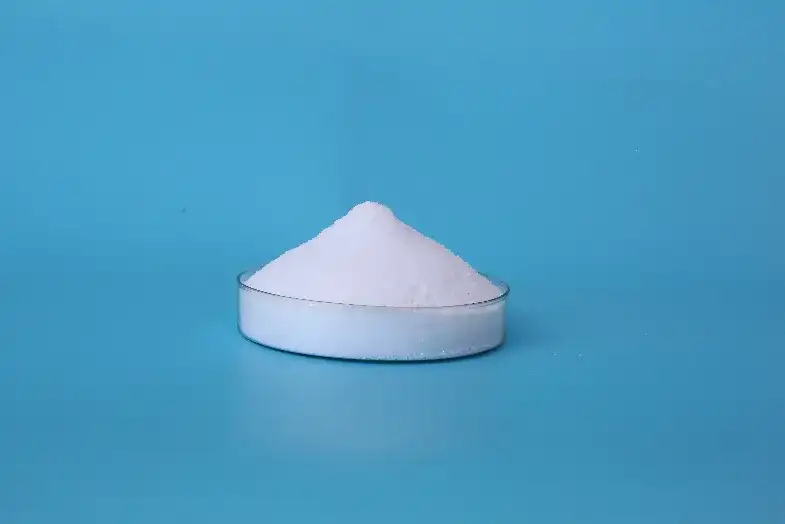
Non-ionic polyacrylamide is a linear homopolymer of acrylamide with high purity and molecular weight. What sets it apart from ionic versions is its low degree of ionization. This structural characteristic gives it flexibility across multiple functions: flocculation, dispersion, thickening, and binding.
The mechanism here is polymer bridging. Long polymer chains attach to multiple suspended particles simultaneously, pulling them together into larger flocs that settle faster. This differs fundamentally from ionic PAMs, which rely heavily on charge neutralization. Because non-ionic PAM doesn’t depend on electrostatic attraction, it performs more consistently when particle charges vary.
Molecular weight matters significantly. Higher molecular weight means longer chains, which translates to stronger bridging between particles. Non-ionic PAM also holds up better than anionic PAM when conditions turn acidic, since it resists hydrolysis more effectively under low pH.
pH Effects on Non-Ionic PAM Performance
Even though non-ionic PAM handles pH variation better than ionic alternatives, pH still influences its behavior in ways that affect treatment outcomes.
Extreme pH levels change how the polymer coils and extends in solution. When the molecular conformation shifts, the chains may not reach as effectively between particles, reducing bridging efficiency. The polymer’s interaction with particle surfaces also changes subtly with pH, even without direct charge neutralization involved.
Under acidic conditions, non-ionic PAM often outperforms anionic PAM because there’s less electrostatic repulsion interfering with particle contact. In alkaline environments, hydrolysis can gradually introduce anionic charges into the polymer structure, altering how it behaves over time. Tracking turbidity removal across different pH levels reveals these sensitivities and helps dial in process parameters.
Finding the Right pH Range for Your Application
Matching pH conditions to polymer selection determines whether you get reliable performance or frustrating variability.
What Extreme pH Does to Polymer Integrity
Very low or very high pH triggers hydrolysis in non-ionic PAM. This chemical breakdown changes the molecular structure, often introducing anionic charges that weren’t there originally. The effective molecular weight drops, bridging capacity decreases, and flocculation efficiency suffers.
Understanding where degradation accelerates helps with process design. Sometimes adjusting pH before adding polymer makes more sense than selecting a different flocculant. Other situations call for polymer formulations engineered for harsh conditions. Both acidic and alkaline degradation pathways need consideration when evaluating long-term chemical stability.
Combining Non-Ionic PAM with Coagulants
Pairing non-ionic PAM with inorganic coagulants often improves results beyond what either chemical achieves alone. Coagulants like aluminum sulfate or ferric chloride neutralize particle surface charges first, creating small micro-flocs. Non-ionic PAM then bridges these micro-flocs into larger, denser aggregates that settle quickly.
This two-stage approach extends the effective pH range and handles complex effluents more reliably. For operations dealing with variable influent quality, the coagulant-polymer combination provides a buffer against performance swings.
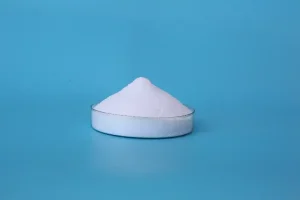
Focus on Nonionic Polyacrylamide Powder to improve efficiency. If you’re interested, check 《Nuoer at 25th China International Petroleum & Petrochemical Technology Exhibition》.
When Non-Ionic PAM Makes More Sense Than Ionic Variants
The choice between non-ionic, anionic, and cationic PAM depends on your specific conditions. Non-ionic PAM’s bridging mechanism operates independently of electrostatic interactions, which becomes a real advantage in certain situations.
| Feature | Non-Ionic PAM | Anionic PAM | Cationic PAM |
|---|---|---|---|
| Primary Mechanism | Polymer Bridging | Bridging, Charge Neutralization (negatively charged) | Bridging, Charge Neutralization (positively charged) |
| pH Sensitivity | Low (less affected by pH changes) | High (optimal in neutral to alkaline, sensitive to low pH) | High (optimal in acidic to neutral, sensitive to high pH) |
| Particle Charge | Effective with neutral or slightly charged particles | Effective with positively charged particles | Effective with negatively charged particles |
| Ionic Strength | Good performance in high salinity water treatment | Can be affected by high ionic strength | Can be affected by high ionic strength |
| Typical Applications | Mining, neutral industrial wastewater | Municipal wastewater, pulp & paper | Sludge dewatering, oily wastewater |
High salinity water presents particular challenges for ionic polymers. The dissolved salts screen out the charges that ionic PAMs rely on for particle interaction. Non-ionic PAM sidesteps this problem entirely. Applications requiring minimal charge addition to treated water also favor non-ionic formulations, which matters in mineral processing and certain pulp and paper operations.
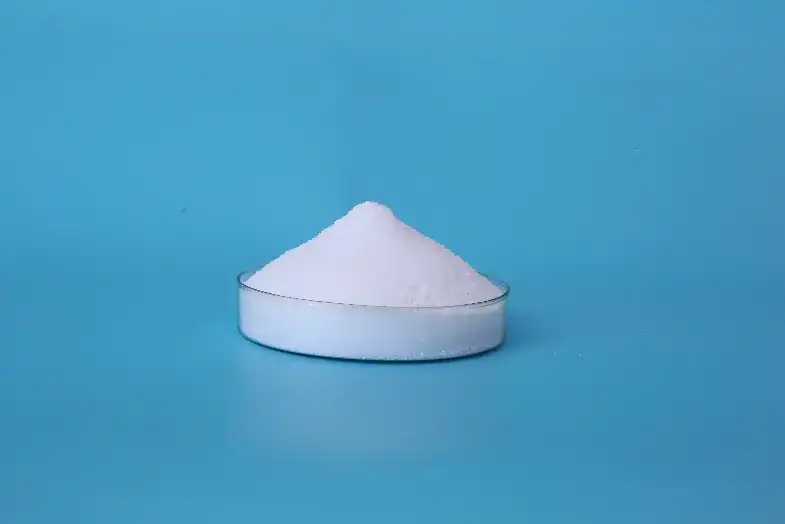
Shandong Nuoer Biological Technology Co., Ltd. produces Nonionic Polyacrylamide Powder engineered for consistent flocculation under acidic conditions.
Real Applications Across Different pH Conditions
Field experience shows how non-ionic PAM performs when conditions vary.
Mining Effluent Treatment
A large mining operation dealt with highly turbid effluent where pH swung between 5.0 and 8.0 depending on ore processing stages. Anionic PAM gave inconsistent results, with turbidity removal dropping whenever pH shifted toward the acidic end. Switching to non-ionic PAM stabilized performance across the entire pH range, bringing the operation into environmental compliance while cutting chemical costs.
Textile Wastewater Dewatering
A textile factory processing dyeing wastewater at pH 6.5 struggled with sludge dewatering. The effluent contained diverse particle sizes from multiple dye formulations. Cationic PAM worked but drove up costs. Optimizing dosage with non-ionic PAM achieved comparable dewatering at lower chemical expense.
Pulp and Paper Mill Clarification
A pulp and paper mill needed better clarification of near-neutral process water for reuse. Anionic PAM produced moderate results. Non-ionic PAM improved floc formation and settling rates noticeably, delivering clearer water that met reuse standards.
Where PAM Technology Is Heading
Sustainable water treatment drives current research directions. Shandong Nuoer Biological Technology Co., Ltd. continues developing advanced polymer solutions, including bio-based flocculants and formulations with improved biodegradability.
Non-ionic PAM fits well into circular economy approaches for water treatment. Reducing chemical consumption while maintaining treatment effectiveness remains the central challenge. Innovation focuses on getting more performance from less polymer while minimizing environmental persistence.
Partner with Shandong Nuoer Biological Technology Co., Ltd.
As a leader in polyacrylamide innovation since 2011, Shandong Nuoer Biological Technology Co., Ltd. is dedicated to providing superior non-ionic PAM solutions tailored to your specific wastewater treatment challenges. Our extensive global network and commitment to ‘manufacturing perfect products’ ensure you receive expert guidance and high-performance products. Contact our technical team today at +86-532-66712876 or en*****@***er.com to discuss your pH-dependent flocculation needs and discover how our advanced PAM formulations can optimize your processes and achieve your environmental goals. Partner with us for a brighter, cleaner future.
Frequently Asked Questions About Non-Ionic PAM Performance
What is the primary mechanism of non-ionic PAM in flocculation?
Non-ionic PAM works through polymer bridging. Long molecular chains attach to multiple suspended particles at once, pulling them together into larger flocs that settle faster. Because this mechanism doesn’t depend on charge neutralization, performance stays more consistent when particle charges vary or pH fluctuates. This makes non-ionic PAM suitable for applications where ionic PAMs would struggle with changing conditions.
How does pH affect the stability and effectiveness of non-ionic polyacrylamide?
Non-ionic PAM tolerates pH variation better than ionic alternatives, but extreme conditions still cause problems. Very low or very high pH triggers hydrolysis, which breaks down the polymer structure and may introduce unwanted anionic charges. This reduces molecular weight and weakens bridging capacity. Best performance typically occurs in neutral to moderately acidic or alkaline ranges, though the exact limits depend on exposure time and temperature.
When is non-ionic PAM preferred over anionic or cationic PAM for industrial wastewater treatment?
Non-ionic PAM works best when pH fluctuates significantly, when particles carry low or neutral surface charges, or when high dissolved salt concentrations would screen out ionic polymer charges. It’s also the right choice when you need to minimize charge addition to treated water. Mining operations, certain mineral processing applications, and pulp and paper mills often find non-ionic PAM more reliable than ionic alternatives under their specific conditions.


 English
 Russian
 Arabic
 Spanish