

Textile mills run into the same problem repeatedly: finding chemical additives that actually perform without creating new headaches downstream. Non-ionic polyacrylamide has earned its place in processing lines because it handles multiple jobs without fighting the other chemicals in the bath. At Shandong Nuoer Biological Technology Co., Ltd., we manufacture high-purity non-ionic polyacrylamide specifically for textile applications, drawing on production experience that spans facilities in over 60 countries.
What Makes Non-Ionic Polyacrylamide Work in Textile Processing
Non-ionic polyacrylamide is a homopolymer of acrylamide with a low ionization degree and high molecular weight. The low ionization matters because it keeps the polymer stable when pH swings or salt levels climb, both common occurrences in textile wet processing. Where ionic polymers can interfere with dyeing auxiliaries or sizing agents, non-ionic polyacrylamide stays out of the way chemically while still doing its job.
The molecular structure allows non-ionic polyacrylamide to function as a flocculant, dispersant, thickener, and binder depending on how it’s applied. This flexibility means a single polymer type can address multiple process stages rather than requiring separate specialty chemicals for each function. Process engineers appreciate this because it simplifies inventory and reduces the risk of chemical incompatibility issues.
How Shandong Nuoer Produces Consistent Non-Ionic Polyacrylamide
Shandong Nuoer Biological Technology Co., Ltd. operates as a modern high-tech enterprise with an annual production capacity of 500,000 tons of polyacrylamide. Our manufacturing relies on advanced polymer synthesis technology with controls running from raw material intake through final packaging.
Quality control happens at every stage rather than just at the end of the line. This approach catches variation early, before it compounds through subsequent processing steps. The result is non-ionic polyacrylamide with consistent molecular weight distribution and purity batch after batch. Our global sales network now reaches over 60 countries, built on the reliability that textile manufacturers require from their chemical suppliers.
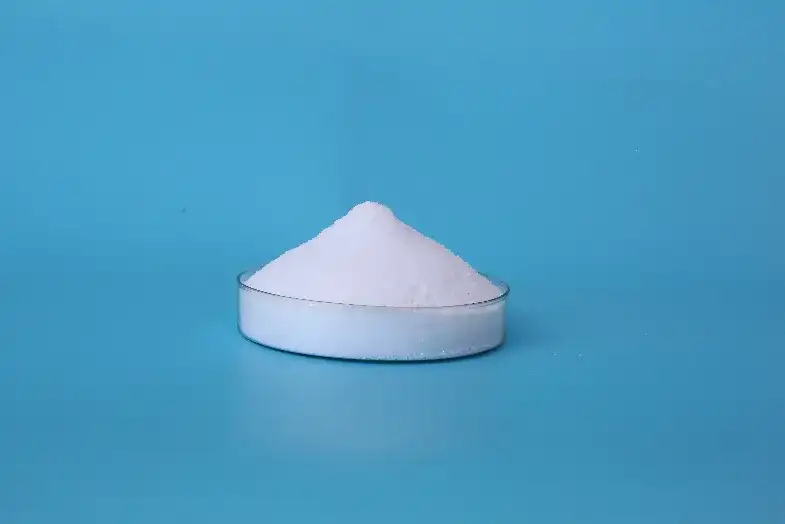
Polyacrylamide Type Comparison
| Feature | Non-ionic Polyacrylamide (N-PAM) | Cationic Polyacrylamide (C-PAM) | Anionic Polyacrylamide (A-PAM) |
|---|---|---|---|
| Ionicity | Non-ionic | Cationic | Anionic |
| Molecular Weight | High | High | Ultra-high |
| pH Sensitivity | Low | Moderate | High |
| Primary Application | Sizing, Dispersing, Thickening | Solid-liquid Separation | Flocculation, Water Treatment |
| Solubility | Excellent | Excellent | Excellent |
Where Non-Ionic Polyacrylamide Improves Textile Operations
The sizing process benefits significantly from non-ionic polyacrylamide addition. Warp yarns gain strength and flexibility, which translates directly to fewer breakages during weaving. Mills running high-speed looms notice this improvement most clearly because the mechanical stress on yarns increases with speed.
In dyeing operations, non-ionic polyacrylamide functions as a dispersing agent that keeps dye particles evenly distributed throughout the bath. This prevents the agglomeration that causes uneven color uptake and spotting. The non-ionic character means it won’t compete with ionic dyes for binding sites on the fiber surface.
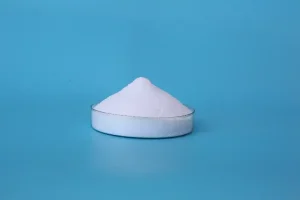
Wastewater treatment represents another application where non-ionic polyacrylamide proves valuable. Textile effluent contains suspended solids and residual dyes that must be removed before discharge. Non-ionic polyacrylamide acts as a flocculant, gathering these particles into larger masses that settle or filter out more readily. This helps mills meet environmental discharge standards while reducing treatment costs. Using Nonionic Polyacrylamide Powder at appropriate dosing levels reduces material waste and improves overall process economics.
Quality Systems That Support Global Textile Production
Textile manufacturers operating across multiple facilities need suppliers who deliver identical product performance regardless of which batch arrives. Our quality assurance process addresses this through testing protocols applied at every production stage.
We maintain adherence to international standards because our customers operate under various regulatory frameworks depending on their location and end markets. The non-ionic polyacrylamide leaving our facility meets performance benchmarks that satisfy requirements across different regions.
Our global sales network and after-sales service system support clients in over 60 countries. This infrastructure ensures supply chain reliability and provides technical support when process questions arise. Long-term partnerships develop from this combination of consistent product quality and responsive service.
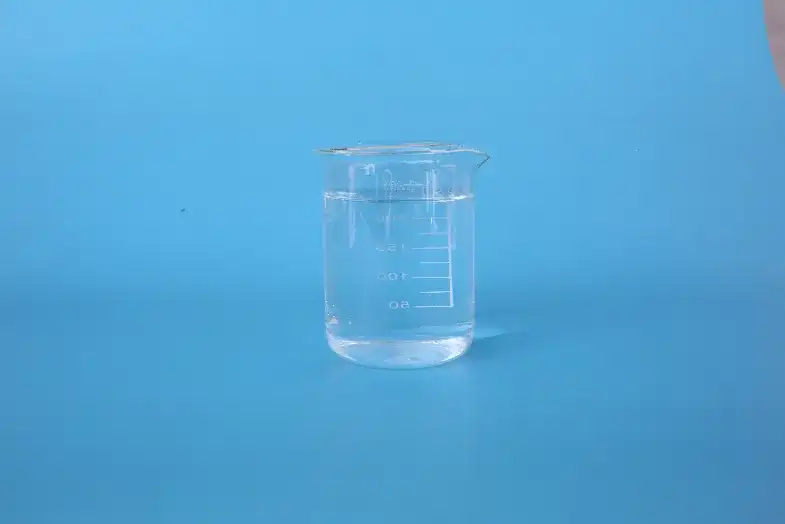
Developing Custom Non-Ionic Polyacrylamide Formulations
Standard grades of non-ionic polyacrylamide work well for many applications, but some textile processes present specific challenges that benefit from tailored formulations. Our R&D team develops custom polyacrylamide products when standard options don’t quite fit the application requirements.
The customization process typically starts with understanding the specific process conditions: temperature ranges, pH levels, contact times, and the other chemicals present in the system. From there, our polymer specialists can adjust molecular weight, viscosity characteristics, or other parameters to optimize performance.
Technical consulting extends beyond product formulation. We work with clients on dosing optimization, dissolution procedures, and integration with existing process equipment. This problem-solving approach helps textile manufacturers get maximum value from their non-ionic polyacrylamide investment.
Selecting a Non-Ionic Polyacrylamide Supplier for Textile Applications
Several factors determine whether a non-ionic polyacrylamide supplier can serve as a reliable long-term partner. Production capacity matters because textile operations cannot afford supply interruptions. A supplier with 500,000 tons of annual capacity, like Shandong Nuoer, can absorb demand fluctuations without affecting delivery schedules.
Quality certifications provide external verification that manufacturing processes meet established standards. Beyond certifications, look for suppliers who can demonstrate batch-to-batch consistency through actual test data.
Technical support capabilities separate commodity suppliers from true partners. When process problems arise, having access to polymer specialists who understand textile applications can mean the difference between quick resolution and extended downtime. R&D capabilities indicate a supplier’s ability to develop solutions for emerging challenges rather than only offering existing products.
Supply chain reliability encompasses logistics, inventory management, and communication systems. A supplier with established global reach has already solved the transportation and customs challenges that can delay shipments to international customers.
Common Questions About Non-Ionic Polyacrylamide in Textiles
What specific benefits does non-ionic polyacrylamide provide in sizing and dyeing operations?
In sizing applications, non-ionic polyacrylamide strengthens warp yarns and increases their flexibility, directly reducing breakage rates during weaving. Higher weaving efficiency follows from fewer stops to repair broken threads. For dyeing, the polymer disperses dye particles uniformly throughout the bath, preventing the clumping that causes uneven color absorption. The non-ionic nature avoids interference with ionic dyes and other auxiliaries, which simplifies formulation and reduces the risk of unexpected interactions.
What quality control measures does Shandong Nuoer apply to non-ionic polyacrylamide production?
Quality control operates at every production stage, starting with raw material verification and continuing through synthesis, processing, and packaging. Our manufacturing facilities use advanced polymer synthesis technology monitored by a dedicated R&D team. Testing protocols verify purity, molecular weight distribution, and performance characteristics against international standards. This systematic approach ensures that non-ionic polyacrylamide performs consistently regardless of which production batch a customer receives.
Can Shandong Nuoer produce non-ionic polyacrylamide customized for specific textile processes?
Yes. We develop custom non-ionic polyacrylamide formulations designed around specific application requirements. Customization can address viscosity, molecular weight, hydrolysis degree, or other parameters that affect performance in particular process conditions. Our technical team works directly with customers to understand their challenges and develop formulations that optimize results for their specific equipment and process conditions.
Start a Conversation About Your Textile Chemical Needs
Shandong Nuoer Biological Technology Co., Ltd. produces non-ionic polyacrylamide at scale for textile manufacturers worldwide. With 500,000 tons of annual production capacity and technical support available across our global network, we can discuss how our products might fit your specific applications. Reach our team at +86-532-66712876 or en*****@***er.com to explore options for your facility.


 English
 Russian
 Arabic
 Spanish