

Acid Mine Drainage (AMD) poses stubborn environmental and operational challenges for mining. We see the need for treatment that works reliably and holds up over time. Our focus is on advanced chemical technologies built to tackle these complexities. Here we explain how non-ionic polyacrylamide offers a superior approach to AMD remediation, strengthening environmental compliance and improving operational efficiency.
Addressing the Challenge of Acid Mine Drainage
Acid Mine Drainage (AMD) forms when sulfide minerals, common in mining operations, react with oxygen and water. The reaction produces acidic water loaded with heavy metals and sulfates. This discharge contaminates surface and groundwater, harms aquatic ecosystems, and creates risks to human health. Effective treatment is necessary for environmental protection and regulatory compliance.
The Environmental and Operational Burden of AMD
AMD brings substantial environmental and financial burdens. It degrades water quality, damages biodiversity, and renders water sources unusable. Mining companies absorb significant operational costs for treatment, from chemical consumption to sludge disposal. Regulatory bodies enforce strict discharge limits, so systems must be robust and reliable. Noncompliance leads to heavy fines and reputational damage. The liabilities tied to AMD often persist for decades after mine closure.
Limitations of Traditional AMD Treatment Methods
Traditional AMD treatment often relies on lime neutralization to raise pH and precipitate metals. The tradeoff is large volumes of sludge that require costly disposal. Performance can be constrained by fluctuating water quality and high concentrations of dissolved solids. Other options, such as active biological treatment, demand substantial infrastructure and specialized operation. These approaches frequently struggle with efficiency and cost-effectiveness, especially for large-scale or complex AMD streams.
| Treatment Method | Primary Mechanism | Advantages | Disadvantages |
|---|---|---|---|
| Lime Neutralization | pH adjustment, metal precipitation | Relatively simple, widely used | High sludge volume, re-dissolution risk |
| Passive Systems | Natural attenuation, bioremediation | Low operational cost | Large land footprint, slow, variable efficiency |
| Active Biological | Microbial metal removal | High efficiency for specific metals | Complex operation, high capital cost |
| Flocculation (Traditional) | Particle aggregation | Improves sedimentation | May require pre-treatment, pH sensitive |
Non-Ionic Polyacrylamide: An Advanced Solution
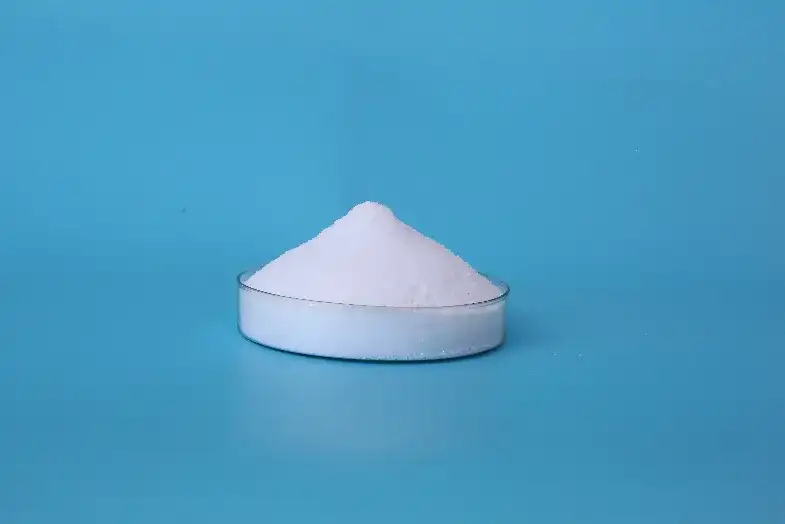
Non-ionic polyacrylamide (PAM) represents a significant advancement in AMD treatment. This polymer carries no charge, so it remains highly versatile across a wide pH range. It efficiently aggregates suspended solids and metal precipitates, improving clarification and dewatering. We formulate our non-ionic PAM for strong performance in challenging mine water environments.
Understanding the Flocculation Mechanism
Non-ionic polyacrylamide works primarily through bridging flocculation. Long polymer chains adsorb onto multiple suspended particles at once. Those chains create bridges between particles, forming larger, heavier flocs. The flocs settle quickly, separating solids from the water phase. Because the polymer is uncharged, it performs well even when particle surface charges vary or are not well defined. This mechanism is central to efficiently treating the diverse particulate matter found in AMD.
Key Benefits for Acid Mine Drainage Remediation
Non-ionic PAM delivers several advantages for AMD remediation. It accelerates clarification, producing clearer effluent. High molecular weight drives strong flocculation and efficient removal of suspended solids and heavy metals. Sludge volume drops, cutting disposal costs. Non-ionic PAM also maintains performance across a broad pH range, adapting to variable AMD characteristics. That flexibility reduces the need for extensive pH adjustment and simplifies operations.
| Flocculant Type | pH Sensitivity | Sludge Volume | Heavy Metal Removal | Cost-Effectiveness |
|---|---|---|---|---|
| Non-ionic Polyacrylamide | Low | Reduced | High | High |
| Anionic Polyacrylamide | Moderate | Moderate | Moderate | Moderate |
| Cationic Polyacrylamide | High | Moderate | Moderate | Moderate |
Optimizing Application for Maximum Impact
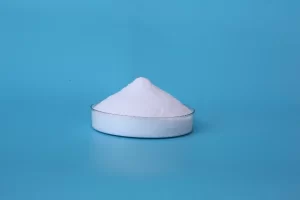
To get the best results with Nonionic Polyacrylamide Powder, pay close attention to application parameters. Proper dosage, preparation, and feeding are critical for maximizing efficiency and controlling costs. Our technical team provides full support to ensure successful implementation in diverse operational settings. We aim to fit our solutions into existing treatment infrastructures with minimal disruption.
Dosage, Preparation, and Feeding Guidelines
Accurate dosage drives effective flocculation. Overdosing wastes material, while underdosing undermines treatment efficiency. Start by preparing the non-ionic PAM solution: slowly add the powder to agitated water and allow it to dissolve fully to avoid lumps. Typical solution concentration ranges from 0.05% to 0.5%. Feed the prepared solution into the AMD stream at a controlled rate and allow sufficient mixing time for floc formation. Adjust the feeding point and mixing intensity to maximize flocculation and settling. These steps help deliver consistent, efficient treatment.
For more on our commitment to environmental responsibility, see 《Nuoer Showcased at 26th China IE Expo》.
Real-World Success and Sustainable Practices
Our non-ionic polyacrylamide has delivered proven efficacy across mining operations worldwide. We focus on solutions that meet performance requirements while supporting sustainable environmental practices. Our products are designed for low environmental impact and long-term ecological health.
Case Studies: Proven Efficacy in Mining Operations
At a copper mine, non-ionic polyacrylamide markedly improved the clarity of treated AMD. Suspended solids dropped by over 95%, enabling compliance with stringent discharge regulations. In a coal mining operation, the product enhanced sludge dewatering, cutting disposal volumes by 30%. These results highlight the practical benefits and reliability of our non-ionic PAM in the field. We continue to refine our products based on performance data and customer feedback.
Environmental Responsibility and Product Safety
We prioritize environmental responsibility throughout product development. Our non-ionic polyacrylamide is designed for low toxicity and minimal environmental impact. Manufacturing processes adhere to strict environmental standards. The goal is effective treatment without compromising ecological integrity. We remain committed to sustainable practices across the product lifecycle.
We are proud to have been 《Nuoer Honored as Outstanding Tax Contributor in Dongying City 2024》 for our contributions, reflecting our commitment to responsible business practices.
What is the primary difference between non-ionic and anionic polyacrylamide for AMD?
Non-ionic polyacrylamide (PAM) carries no charge and primarily works through bridging flocculation, effective across a wide pH range and in systems with varying particle charges. Anionic PAM carries a negative charge and is commonly used for positively charged particles or alongside coagulants. For AMD, which often involves complex mineral suspensions, non-ionic PAM offers versatility and robust performance, especially when pH is low or metal hydroxides are present.
How does non-ionic polyacrylamide contribute to environmental compliance in mining?
By flocculating suspended solids and heavy metal precipitates effectively, non-ionic polyacrylamide improves the clarity and quality of treated mine water, helping operations meet strict discharge limits for total suspended solids (TSS) and various metals. This proactive treatment reduces pollution and supports adherence to regulatory standards, lowering the risk of fines and environmental liabilities.
Can non-ionic polyacrylamide be used in conjunction with other AMD treatment chemicals?
Yes, non-ionic polyacrylamide is often used as a secondary step after primary coagulation or pH adjustment. It works synergistically with other chemicals, such as lime or coagulants, to strengthen floc formation and sedimentation efficiency, leading to clearer effluent and reduced sludge volume. Shandong Nuoer’s experts can advise on optimal chemical combinations for specific AMD characteristics.
Ready to enhance your acid mine drainage treatment with high-performance non-ionic polyacrylamide?
Contact Shandong Nuoer Biological Technology Co. today for expert consultation and customized solutions. Our team is here to help you achieve superior water clarification and environmental compliance. Email us at en*****@***er.com or call +86-532-66712876.


 English
 Russian
 Arabic
 Spanish