
Polyacrylamide selection in papermaking comes down to one practical question: does your system need charge neutralization, or does bridging do the job? The answer shapes everything from retention rates to drainage speed, and getting it wrong means wasted chemistry and subpar sheet formation. Non-ionic and cationic types work through fundamentally different mechanisms, and matching the right polymer to your furnish conditions makes the difference between fighting your wet end and letting it run smoothly.
Polyacrylamide Fundamentals in Paper Production
Polyacrylamide functions as a water-soluble polymer that binds pulp fibers and fine particles into manageable flocs. The chemistry is straightforward in principle: polymer chains interact with suspended material, aggregating it into larger units that drain better and stay on the wire. What matters in practice is how those interactions happen and whether they suit your specific system conditions.
The polymer itself starts as acrylamide monomer, then gets polymerized into chains of varying length and charge character. High-purity monomer production matters here because residual impurities affect both performance consistency and downstream handling. The resulting polyacrylamide can be neutral, positively charged, or negatively charged depending on what comonomers get incorporated during synthesis.
Understanding which flocculant chemistry applies to your situation prevents the trial-and-error approach that burns through time and materials.
Non-Ionic Polyacrylamide Mechanisms and Applications
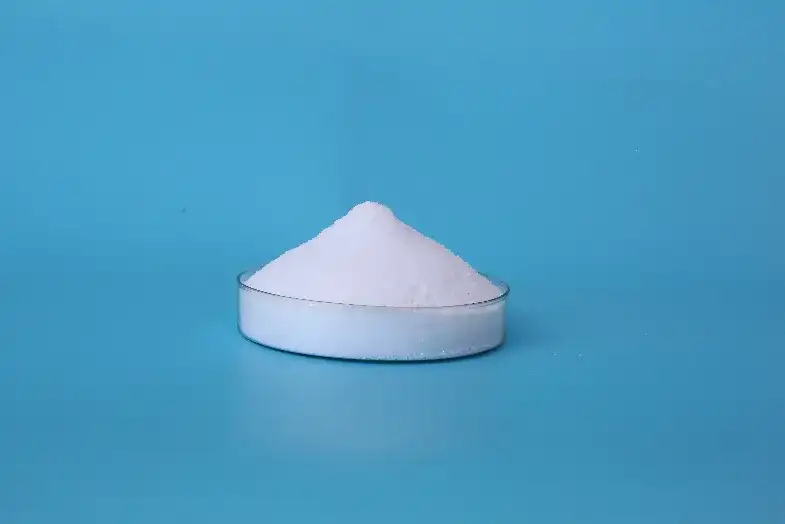
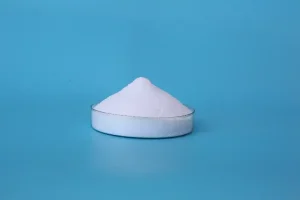
Non-ionic polyacrylamide carries no charge. It works through bridging flocculation, where long polymer chains physically adsorb onto particle surfaces and connect them into larger aggregates. Picture it as molecular rope tying particles together rather than electrical attraction pulling them in.
This bridging mechanism performs well when system charge density runs low or pH sits near neutral. The polymer chains need surface area to grab onto, and they work independently of the electrical environment in the furnish. That independence from charge conditions cuts both ways: non-ionic PAM won’t help much with anionic trash, but it also won’t get disrupted by pH swings or salt content the way charged polymers can.
The flocs that form tend toward larger and looser structures. Good for drainage without over-compacting the sheet, but the trade-off is that these flocs can shear apart under mechanical stress more readily than tightly bound charge-neutralized aggregates.
| Property | Description | Application Benefit |
|---|---|---|
| Charge | Neutral (no ionic groups) | Effective in low charge density systems |
| Mechanism | Bridging flocculation | Improves fiber retention and sheet formation |
| pH Sensitivity | Low | Stable performance across a range of pH values |
| Floc Size | Generally larger, looser flocs | Enhances drainage without excessive compaction |
| Purity | High purity, excellent solubility | Ensures consistent performance and ease of preparation |
Cationic Polyacrylamide Performance and System Interactions
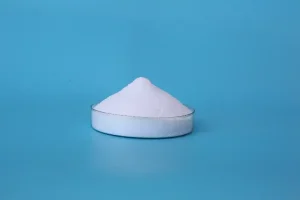
Cationic polyacrylamide carries positive charges along its backbone, introduced by copolymerizing cationic monomers with acrylamide. Those positive charges do real work in papermaking systems because pulp fibers, fillers, and dissolved organic material all carry negative surface charges.
The mechanism here combines charge neutralization with bridging. Positive charges on the polymer attract and neutralize negative charges on suspended material, collapsing the electrical repulsion that keeps particles dispersed. Once charge repulsion drops, particles can approach each other closely enough for bridging to take over and build stable flocs.
This dual mechanism makes cationic PAM particularly effective in systems running high anionic trash loads. Mechanical pulps and recycled fibers bring substantial dissolved and colloidal anionic material that interferes with retention and drainage. Cationic polymer soaks up that anionic demand while simultaneously flocculating the fiber and filler fraction.
Cationic Polyacrylamide Flocculant products deliver high flocculation efficiency at relatively low dosages when the system chemistry matches their design parameters.
How does charge density impact polyacrylamide performance in papermaking?
Charge density determines whether a polyacrylamide primarily neutralizes charges or primarily bridges particles. High charge density cationic polymers excel at soaking up anionic demand quickly, making them the right choice when dissolved organics and colloidal material dominate your retention challenges. Lower charge density cationic polymers rely more on bridging and work better when you need to build larger flocs without over-neutralizing the system.
Non-ionic polymers sidestep the charge density question entirely. Their performance depends on molecular weight and chain architecture rather than electrical interactions. Systems with minimal anionic trash and stable pH often run perfectly well on non-ionic chemistry alone.
The practical implication: measure your system’s anionic demand before selecting polymer charge density. Over-cationizing creates its own problems, including reversed charge on particles and re-dispersion of flocs.
| Feature | Non-Ionic Polyacrylamide | Cationic Polyacrylamide |
|---|---|---|
| Charge | Neutral | Positive |
| Mechanism | Bridging flocculation | Charge neutralization, bridging flocculation |
| Applications | Low charge systems, neutral pH, fine paper formation | High anionic trash, acidic to neutral pH, dewatering |
| Benefits | Improved formation, strength, less pH-sensitive | Enhanced dewatering, retention, anionic trash control |
| Cost | Generally lower per unit | Higher, but often more efficient in specific systems |
Strategic Selection for Optimal Paper Production
Polymer selection starts with characterizing your furnish and water chemistry. Pulp type matters because mechanical pulps and recycled fibers carry far more anionic material than chemical pulps. pH conditions affect both polymer stability and the charge state of suspended material. Water hardness and conductivity influence how polymers interact with dissolved species.
Fine paper production often favors non-ionic types because the furnish runs clean and formation quality matters more than aggressive dewatering. The bridging mechanism builds uniform flocs that lay down evenly on the wire.
Recycled fiber operations almost always need cationic chemistry. The anionic trash load from stickies, dissolved organics, and degraded fiber demands charge neutralization before effective flocculation can happen. Running non-ionic polymer in these systems typically disappoints.
Board and packaging grades fall somewhere in between, depending on furnish composition and machine constraints. Many operations run dual polymer programs, using cationic chemistry for charge control and non-ionic or anionic polymers for additional bridging and retention.
Which polyacrylamide type optimizes dewatering and retention for specific paper grades?
Fine papers benefit from non-ionic polyacrylamide when the furnish contains minimal anionic trash. The bridging mechanism creates uniform flocs that improve formation without aggressive charge effects that can disrupt sheet structure.
Board and packaging grades typically need cationic polyacrylamide, especially when recycled content enters the furnish. Charge neutralization handles the anionic demand while bridging builds flocs large enough to drain efficiently on high-speed machines.
Tissue production often uses combination programs. Softness requirements limit how aggressively you can flocculate, but drainage demands remain high. Balancing cationic charge control with careful bridging chemistry lets tissue machines run fast without sacrificing sheet properties.
Environmental Impact and Sustainable Practices
Residual monomer content represents the primary environmental consideration for polyacrylamide products. Acrylamide monomer carries toxicity concerns that don’t apply to the polymerized form, so manufacturing processes that minimize residual monomer matter for both worker safety and environmental compliance.
Dosage optimization reduces environmental footprint directly. Over-application wastes material and sends excess polymer into wastewater streams. Precise dosing based on actual system demand keeps consumption at necessary levels.
Biodegradability research continues, though polyacrylamide generally persists in the environment longer than some alternative chemistries. Responsible use means treating it as a functional necessity rather than a default addition, applying it where it delivers measurable benefit and avoiding it where simpler approaches work.
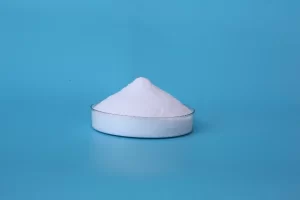
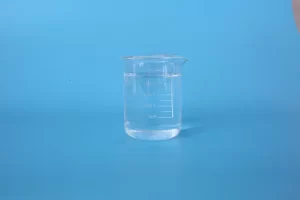
Polyacrylamide Emulsion products use water-in-oil emulsion technology that achieves high conversion rates during polymerization, reducing residual monomer while maintaining product stability.
What are the environmental considerations for polyacrylamide use in paper production?
Minimizing residual monomer content stands as the primary environmental consideration. Manufacturing processes that achieve ultra-low impurity levels reduce potential toxicity concerns in both workplace and wastewater contexts.
Dosage optimization prevents over-application and unnecessary discharge to treatment systems. Selecting products with appropriate charge density and molecular weight for your specific application means less polymer needed per ton of paper produced.
Regulatory compliance varies by jurisdiction, but the general direction favors lower residual monomer specifications and better documentation of product composition. Working with suppliers who prioritize environmental responsibility simplifies compliance and reduces long-term risk.
Partner with Shandong Nuoer Biological Technology Co., Ltd.
Shandong Nuoer Biological Technology Co., Ltd. produces 500,000 tons of polyacrylamide annually, offering both non-ionic and cationic formulations tailored to specific papermaking requirements. Technical specialists can evaluate your furnish conditions and recommend polymer chemistry that matches your retention, drainage, and formation targets.
Contact the team at +86-532-66712876 or en*****@***er.com to discuss how polyacrylamide selection can improve your wet-end performance and reduce operating costs.
FAQs
Q: What is the primary difference between non-ionic and cationic polyacrylamide in papermaking?
Non-ionic polyacrylamide carries no charge and works through bridging flocculation, physically connecting particles with polymer chains. Cationic polyacrylamide carries positive charges that neutralize anionic material in the furnish before bridging takes over. Systems with high anionic trash from mechanical pulps or recycled fibers need cationic chemistry, while cleaner furnishes often run well on non-ionic types alone.
Q: How does polyacrylamide improve paper machine efficiency?
Polyacrylamide improves efficiency by keeping fine material on the wire instead of losing it to white water, and by accelerating drainage so the sheet enters the press section drier. Better retention means less raw material loss and cleaner white water loops. Faster drainage allows higher machine speeds and reduces energy consumption in drying. Both effects translate directly to lower operating costs per ton of finished paper.
Q: Can polyacrylamide be used in all types of paper production?
Polyacrylamide applies broadly across paper grades, but the specific type and molecular weight must match furnish conditions and machine requirements. Fine paper with clean furnish might use non-ionic chemistry for formation benefits. Recycled fiber operations typically require cationic polymer for anionic trash control. Tissue production often combines both types to balance softness, strength, and drainage. Getting the selection right requires understanding your specific system rather than applying generic recommendations.


 English
 Russian
 Arabic
 Spanish