

Getting the right acrylamide aqueous solution strength matters more than most people realize when they first start working with these materials. The difference between a 30% and 50% solution isn’t just about concentration on paper—it changes how you handle the material, what your freight bills look like, and ultimately how your final polymer performs. I’ve seen operations struggle with this choice, often defaulting to whatever they’ve always used rather than stepping back to evaluate whether that’s actually the best fit for their current needs.
What Actually Goes Into These Solutions
Acrylamide aqueous solutions serve as the building blocks for polyacrylamides across dozens of industrial applications. You’ll typically find these solutions ranging from 25% to 50% concentration, and that spread exists for good reason—different operations have genuinely different requirements.
The concentration you choose directly shapes your final polymer. Higher monomer concentrations tend to produce higher molecular weight polymers, which sounds straightforward until you realize that molecular weight affects everything from viscosity to flocculation performance. It’s not simply a matter of “more is better.”
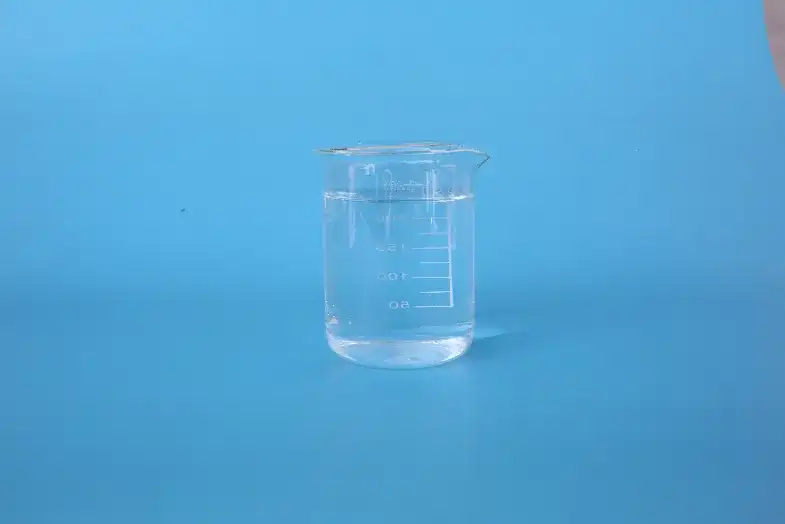
Purity deserves serious attention here. Impurities don’t just sit there harmlessly—they interfere with reaction kinetics, drag down polymerization efficiency, and compromise your end product. Shandong Nuoer Biological Technology Co. addresses this through advanced microbial technology in manufacturing, achieving ultra-low impurity levels that make a measurable difference in polymerization consistency. Their AM Aqueous Solution comes in customizable concentrations (28–30%, 38–42%, or 48–52%) with acrylonitrile held at ≤ 0.1% and acrylic acid at ≤ 0.3%. Proper storage away from heat and UV light keeps these solutions stable over time.
| Acrylamide Solution Strength | Typical Purity (Acrylamide Content) | Common Applications | Advantages |
|---|---|---|---|
| 28–30% | ≥ 99.0% | Water Treatment | Easier Handling |
| 38–42% | ≥ 99.5% | Oil & Gas, Paper | Balanced Efficiency |
| 48–52% | ≥ 99.8% | Advanced Polymer Synthesis | Reduced Transport Costs |
What Actually Drives the Concentration Decision
Picking the right acrylamide aqueous solution strength means weighing several factors that don’t always point in the same direction. Your specific application, cost structure, reaction requirements, and process setup all play into this decision.
There’s a real tension between transport efficiency and handling simplicity. Higher concentrations mean you’re shipping less water, which cuts freight costs and storage footprint significantly. But those same higher concentrations demand precise dilution protocols and more careful handling procedures. Lower concentrations simplify things at the plant level while increasing what you spend on logistics.
The application itself often dictates the answer. Water treatment operations care about flocculation efficiency, which depends on molecular weight and charge density—both tied to monomer concentration during synthesis. Enhanced oil recovery has different priorities, focusing on rheological properties that respond differently to concentration changes. A 40% solution might outperform other options in certain EOR scenarios specifically because of how it polymerizes under those conditions.
How Concentration Shapes Your Final Product
The acrylamide aqueous solution strength you start with doesn’t just affect the process—it fundamentally shapes what comes out the other end. Molecular weight distribution and charge density both respond to monomer concentration in predictable ways.
Higher concentrations generally push toward higher molecular weight polymers. Longer polymer chains often translate to better flocculant performance because they can bridge more particles and create larger, faster-settling aggregates. Lower concentrations yield shorter chains, which have their own applications where different rheological behavior is needed.
One wastewater treatment facility documented this relationship clearly. When they adjusted their acrylamide monomer concentration from 30% to 40%, flocculant performance improved by 15%. The change optimized polymer chain length and charge density for their specific effluent characteristics, producing faster sedimentation and clearer supernatant. That kind of improvement doesn’t happen by accident—it comes from understanding how concentration affects the chemistry.
Handling These Materials Safely
Acrylamide is hazardous, and concentrated solutions require respect. Personal protective equipment—gloves, eye protection, respirators—isn’t optional. Adequate ventilation in handling areas prevents vapor accumulation. Spill containment and emergency response plans need to exist before you need them.
Concentrated acrylamide aqueous solutions should be stored in cool, dark, well-ventilated spaces. Heat and light can trigger unwanted polymerization, degrading the product and creating safety issues. Containers need clear labeling and tight seals. The acrylamide SDS provides specific guidance on chemical safety procedures that should inform your protocols.
Regular training keeps personnel current on hazardous materials handling, reducing exposure risks and maintaining regulatory compliance. Shandong Nuoer Biological Technology Co. maintains stringent environmental standards in production, reflecting the same careful approach that should characterize downstream handling.
The Real Economics of Concentration Choices
The price per kilogram of acrylamide content tells only part of the economic story. Freight costs drop substantially with higher concentrations because you’re not paying to move water across distances. Storage costs follow the same pattern—higher concentrations need less physical space.
But on-site dilution has its own cost structure. Equipment, energy, labor, and the precision required for accurate dilution all factor in. A facility without robust dilution infrastructure might find that lower-concentration Acrylamide Aqueous Solution actually costs less overall despite higher freight expenses.
Bulk purchasing of higher concentration solutions can deliver significant savings for operations equipped to handle them. Smaller facilities or those with limited dilution capabilities might reasonably conclude that lower concentrations make more economic sense. Shandong Nuoer Biological Technology Co. offers the full range of concentrations specifically because different operations have genuinely different optimal solutions.
Working With People Who Understand the Chemistry
The complexity of selecting the right acrylamide aqueous solution strength argues for working with suppliers who can provide real technical support. Shandong Nuoer Biological Technology Co. brings expertise in polymer synthesis and application that translates into practical guidance for specific industrial requirements.
Quality control ensures consistent product performance batch to batch. Custom solutions address situations where standard offerings don’t quite fit. A global sales network spanning over 60 countries means delivery and support happen where you need them. The goal is helping clients optimize their processes with products that actually drive efficiency and performance improvements.
Frequently Asked Questions About Acrylamide Aqueous Solutions
How do I figure out which acrylamide aqueous solution strength fits my application?
Start with what you’re trying to achieve in your final polymer—molecular weight targets, charge density requirements, the specific performance characteristics your application demands. Factor in your equipment capabilities and economic constraints. Different applications genuinely need different solutions. Water treatment, enhanced oil recovery, and paper processing each have distinct requirements. Technical consultation with an experienced supplier can help match your process parameters to the right concentration. Shandong Nuoer Biological Technology Co. provides detailed specifications and support for this kind of evaluation.
What makes higher concentration solutions worth considering?
Higher concentration acrylamide aqueous solutions reduce shipping costs substantially since you’re transporting less water. Storage requirements shrink proportionally. Monomer stability can actually improve in some higher-concentration formulations. The trade-off involves handling complexity and dilution requirements at your facility. Operations with proper dilution infrastructure often find higher concentrations economically advantageous. Shandong Nuoer Biological Technology Co. can help evaluate whether your specific situation favors higher or lower concentrations.
Does solution strength have environmental implications?
Indirectly, yes. Optimized acrylamide aqueous solution strength contributes to efficient polymerization, which reduces overall chemical consumption and waste generation. When your process runs efficiently, you use less material to achieve the same results. Proper handling and storage of concentrated solutions also minimizes spill risks and potential environmental release. Shandong Nuoer Biological Technology Co. maintains strict environmental standards in production and supports responsible use practices downstream.
Partner with Shandong Nuoer Biological Technology Co.
Shandong Nuoer Biological Technology Co., Ltd. operates as a global leader in acrylamide and polyacrylamide production, guided by a commitment to manufacturing excellence and building lasting customer relationships. Annual capacity reaches 300,000 tons of acrylamide, supported by sales and service networks across more than 60 countries. R&D investment, rigorous quality control, and genuine focus on customer success combine to deliver products tailored to specific industrial needs. Reach the expert team at +86-532-66712876 or en*****@***er.com to discuss your acrylamide aqueous solution requirements and explore how this expertise can improve your operational outcomes.




 English
 Russian
 Arabic
 Spanish