
Getting acrylamide solution concentration right makes or breaks polymer synthesis outcomes. I’ve watched batches fail because someone assumed close enough was good enough with monomer levels. The difference between 38% and 42% concentration might seem minor on paper, but downstream effects on molecular weight, viscosity, and reaction control compound quickly. This piece walks through what actually matters when selecting and working with acrylamide aqueous solutions across different industrial applications.
What Makes Acrylamide Aqueous Solutions Work in Industrial Settings
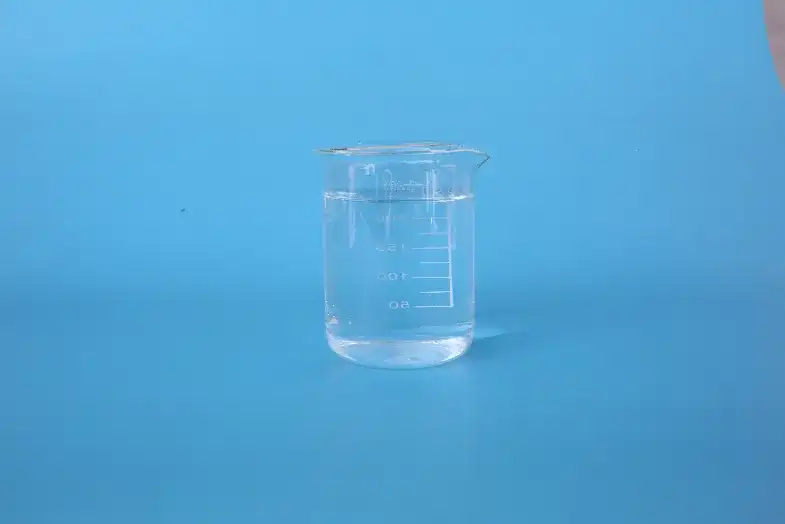
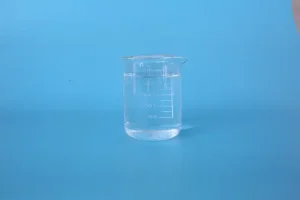
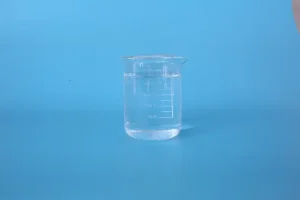
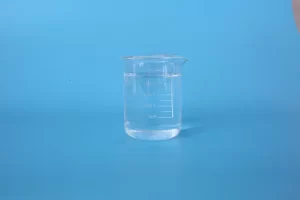
Acrylamide aqueous solutions serve as the starting point for polyacrylamide and related copolymer production. Their usefulness in manufacturing depends entirely on two things: purity and stability. Shandong Nuoer Biological Technology Co., Ltd. produces acrylamide aqueous solution with adjustable concentrations, typically between 25% and 50%. Advanced microbial technology keeps impurity levels low while maintaining strong polymerization characteristics.
Monomer purity deserves attention because even small amounts of contaminants cause problems. Acrylonitrile or acrylic acid present at trace levels interfere with chain propagation, trigger side reactions, and reduce the molecular weight you’re trying to achieve. The AM Aqueous Solution from Nuoer holds acrylonitrile below 0.1% and acrylic acid below 0.3%, which keeps the reaction environment clean enough for consistent results.
Stability matters because acrylamide degrades when exposed to heat or UV light. Store solutions in cool, dark conditions to preserve reactivity and extend usable life. This isn’t optional—degraded monomer produces inferior polymer every time.
Solution pH influences both stability and how polymerization proceeds. The AM Aqueous Solution maintains pH between 7.0 and 9.0, a range that works across most industrial processes. Conductivity varies by grade, running from 5 to 30 μS/cm, which indicates minimal ionic contamination. Inhibitor content stays between 0 and 100 ppm—enough to prevent premature polymerization during storage while still allowing controlled initiation when synthesis begins.
| Purity Grade (Acrylamide Content) | Key Parameters (Example) | Typical Applications |
|---|---|---|
| 28–30% | Acrylonitrile ≤ 0.1% | Lower concentration polymer synthesis |
| 38–42% | Acrylic Acid ≤ 0.3% | General industrial use |
| 48–52% | pH 7.0–9.0 | High-performance polymer production |
What Drives the Choice of Acrylamide Concentration
Picking the right acrylamide concentration affects everything from reaction speed to final polymer properties. The decision involves balancing application requirements, reaction behavior, and target polymer characteristics. Shandong Nuoer’s R&D team helps clients work through these tradeoffs.
Molecular weight targets often drive concentration choices. Higher monomer concentrations generally produce higher molecular weight polymers. This matters for applications where viscosity or flocculation performance depends on long polymer chains. Lower concentrations yield shorter chains, which work better for dispersants or binders where excessive molecular weight creates handling problems.
Viscosity control connects directly to concentration. The monomer level in your starting solution shapes the viscosity of the polymer solution you end up with. Enhanced oil recovery and papermaking both require tight viscosity specifications, so getting the initial concentration right prevents downstream adjustment headaches. Using more concentrated solutions than necessary wastes material and increases costs without improving performance.
Reaction kinetics shift with concentration changes. More monomer means faster polymerization because reactive species encounter each other more frequently. But pushing concentration too high creates control problems. Exothermic reactions can accelerate beyond safe limits, generating heat faster than cooling systems can remove it. Product consistency suffers when reactions run away. Finding the balance between acceptable reaction speed and controllable behavior takes some experimentation.
How Concentration Shapes Polymer Synthesis Results
Monomer concentration determines how efficiently polymerization converts starting material into useful polymer. Higher concentrations pack more reactive units into the same volume, increasing the odds that growing chains find new monomers to add. This typically means faster reactions and better conversion rates.
Heat management becomes critical at elevated concentrations. Polymerization releases energy, and concentrated solutions release more energy faster. Without adequate cooling or careful initiator dosing, temperatures can spike, degrading polymer quality or creating safety hazards. Shandong Nuoer’s production experience emphasizes controlling initiators and reaction conditions to manage thermal effects. The molecular weight and solution properties of the final polymer trace back to how well concentration and heat were managed during synthesis.
Concentration Guidelines by Industry Application
Different industries need different concentration profiles to hit their performance targets. Shandong Nuoer’s product range supports customized solutions across these applications.
Water treatment flocculant production uses acrylamide aqueous solution concentration to control molecular weight and charge density in the resulting polyacrylamide. Higher concentrations tend to produce higher molecular weight polymers that bridge suspended particles more effectively. Municipal wastewater treatment might use 30-40% acrylamide solutions to make anionic polyacrylamide for sludge dewatering, balancing flocculation performance against material costs.
Enhanced oil recovery injects polyacrylamide solutions into reservoirs to thicken water and improve how it pushes oil toward production wells. The acrylamide concentration used to synthesize these polymers must produce the right viscosity for specific reservoir conditions, including temperature and salt content. Starting solutions typically run 25-35% concentration, trading off between injectivity requirements and viscosity needs.
Papermaking relies on acrylamide-based polymers as retention aids, drainage improvers, and strength additives. The concentration used during polymer synthesis affects how well the final product holds fine particles on the sheet and improves formation. Cationic polyacrylamide production often uses 28-32% acrylamide solutions.
Textile sizing agents made from polyacrylamide derivatives strengthen yarn and reduce breakage during weaving. Monomer concentration during synthesis determines the molecular weight and flow properties that control how evenly the sizing applies and how well it performs.
| Industry | Typical Acrylamide Solution Concentration | Primary Impact on Performance |
|---|---|---|
| Water Treatment | 30-40% | Flocculation efficiency, sludge dewatering rates |
| Enhanced Oil Recovery | 25-35% | Viscosity control, sweep efficiency |
| Paper Making | 28-32% | Retention, drainage, paper strength |
| Textile Sizing | 25-30% | Yarn strength, weaving efficiency, uniform coating |
Handling Acrylamide Solutions Safely and Meeting Environmental Requirements
Working with acrylamide solutions, especially concentrated ones, demands serious attention to safety and environmental compliance. Shandong Nuoer builds responsible handling into product design and customer guidance.
Exposure risks require appropriate personal protective equipment. Acrylamide acts as a neurotoxin and may cause cancer, so gloves, safety goggles, and respiratory protection are necessary. Ventilation prevents vapor accumulation in work areas. Spills need immediate containment and cleanup following established procedures to prevent environmental release.
Storage conditions protect both workers and product quality. Keep solutions in sealed containers away from sunlight, heat, and incompatible materials. Labels should clearly show product identity, concentration, hazards, and emergency contacts. Regular storage area inspections catch problems before they become incidents.
Every industrial-grade acrylamide shipment includes a safety data sheet covering product identification, hazard information, composition, first aid, firefighting, spill response, handling, storage, and exposure controls. Reading and understanding this document before working with the product isn’t optional.
Disposal regulations vary by location but generally require treatment before release. Neutralization or other processing may be necessary to meet environmental standards. Shandong Nuoer provides guidance on disposal practices that comply with regulations and minimize ecological impact.
Why Concentration Accuracy Determines Process Success
Precise concentration control separates successful industrial processes from problematic ones. The economic and performance consequences of getting this wrong add up quickly.
Low concentrations slow reaction kinetics, leaving polymerization incomplete. Yields drop, product quality suffers, and operators compensate by using more material—which defeats the purpose of optimization. High concentrations create the opposite problem: viscosity climbs to unworkable levels, or exothermic reactions exceed safe limits. Either direction costs money and risks quality.
Polyacrylamide supplier OEM production illustrates the stakes. Small concentration deviations change molecular weight, charge density, and solubility in the final polymer. These changes directly affect how well the product works in water treatment or oil recovery applications. Customers expect consistent performance, which requires consistent starting material.
Reliable suppliers matter here. Shandong Nuoer maintains quality through stringent controls and advanced production technology. The AM Aqueous Solution comes with customizable acrylamide content at precise levels—28-30%, 38-42%, or 48-52%—so customers can integrate solutions into their processes with confidence in the outcome.
Where Acrylamide Technology Is Heading
Acrylamide chemistry continues developing in response to performance demands, cost pressures, and environmental expectations. Shandong Nuoer tracks these trends and incorporates relevant advances into product development.
Sustainable production methods are gaining ground. Greener synthesis routes aim to cut energy use, reduce waste, and potentially use renewable feedstocks. Shandong Nuoer’s microbial technology for acrylamide production already moves in this direction, achieving low impurity levels through biological rather than purely chemical processes.
New applications keep emerging. Researchers are exploring acrylamide-based polymers for advanced materials, drug delivery, and specialty coatings. These uses often require very specific polymer properties, which means even tighter control over monomer concentration and reaction conditions.
Biodegradability and reduced environmental persistence are becoming design criteria. The industry is working toward polyacrylamide products that break down more readily or accumulate less in ecosystems. This aligns with broader green chemistry principles and regulatory trends. Shandong Nuoer participates in these developments to keep products competitive and environmentally responsible.
Work with Shandong Nuoer on Your Acrylamide Requirements
Shandong Nuoer Biological Technology Co., Ltd. brings over a decade of acrylamide and polyacrylamide expertise to customer partnerships. Global reach, quality commitment, and technical support help customers optimize their processes. Contact the team at +86-532-66712876 or en*****@***er.com to discuss how high-performance chemical solutions can improve your operations.
Common Questions About Acrylamide Solutions
What matters most when selecting acrylamide aqueous solution concentration for water treatment applications?
The type of flocculant you’re producing and the specific treatment goals drive concentration selection. Molecular weight requirements and cost optimization both factor in. Higher concentrations generally yield higher molecular weight polymers with better flocculation performance for solids removal and sludge dewatering, but using more than necessary wastes material.
How does monomer purity affect acrylamide solution performance and shelf life?
Purity directly impacts both reaction consistency and how long solutions remain usable. High-purity acrylamide monomer produces predictable reaction kinetics and avoids side reactions that compromise polymer quality. Impurities reduce molecular weight, degrade product performance, and shorten the window during which solutions remain stable enough to use.
What safety and environmental rules apply to concentrated acrylamide solutions in industrial facilities?
Regulations require specific handling procedures, safety data sheet compliance, and proper disposal methods. Industrial-grade acrylamide demands appropriate protective equipment, ventilation, and spill response capabilities. Storage and disposal must meet local and international environmental standards. These requirements exist because acrylamide poses real health and environmental risks.
How does concentration accuracy affect the economics of acrylamide-based processes?
Getting concentration right prevents two kinds of waste. Too little monomer means incomplete reactions, poor yields, and the need to use more material to compensate. Too much creates handling difficulties, safety concerns, and material costs that don’t translate into better performance. Precise concentration control optimizes both material use and product quality.
Which industries besides water treatment depend on optimized acrylamide solution concentrations?
Enhanced oil recovery, papermaking, and textile sizing all rely on specific polymer properties that trace back to monomer concentration during synthesis. Each application has different molecular weight, viscosity, and performance requirements. Getting the concentration right for each use case determines whether the final polymer actually works as intended.



 English
 Russian
 Arabic
 Spanish