
Cationic polyacrylamide sits at the center of operations most people never think about—the sludge that gets pressed dry at treatment plants, the murky water that clarifies before discharge, the paper fibers that hold together instead of washing away. When the flocculant works, everything downstream runs smoother. When it doesn’t, you’re troubleshooting for days. That’s why the supplier question matters more than the spec sheet might suggest. Shandong Nuoer has built its position in this market through production scale, vertical integration of key monomers, and a distribution network reaching over 60 countries.
What Cationic PAM Actually Does in Industrial Processes
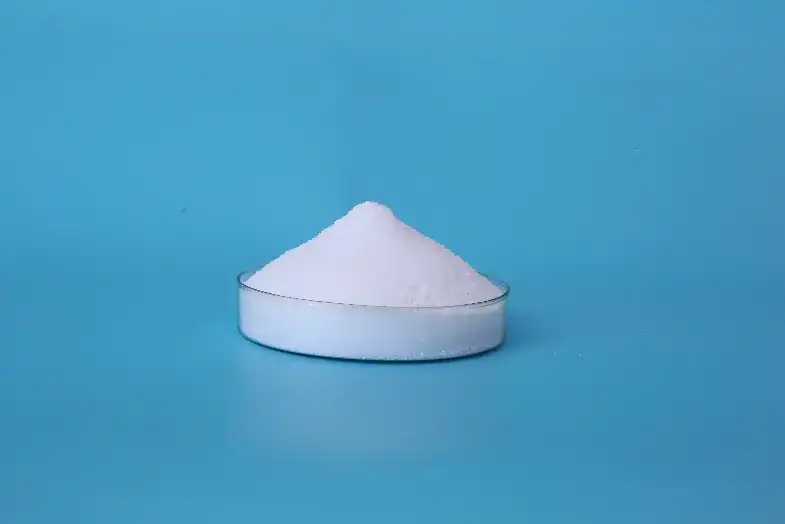
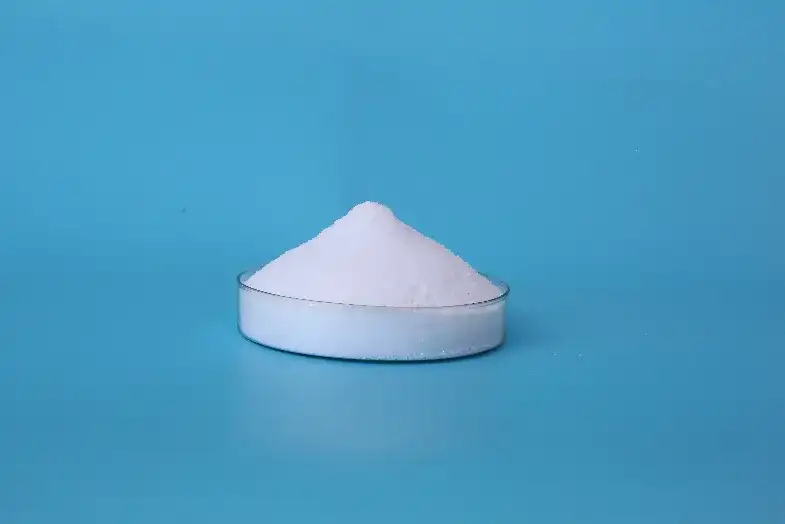
Cationic PAM is a water-soluble linear organic polymer created by copolymerizing cationic monomers with acrylamide. The cationic charge allows it to neutralize negatively charged particles suspended in water, pulling them together into larger masses that settle or filter out more easily. This mechanism drives its use across sludge dewatering, wastewater clarification, paper retention, mining tailings management, and enhanced oil recovery.
Two characteristics determine how well a particular cationic polyacrylamide performs in a given application: charge density and molecular weight. Higher charge density improves neutralization of fine particles. Higher molecular weight creates longer polymer chains that bridge between particles more effectively. The balance between these properties needs to match the specific solids you’re trying to separate.
| Application Area | Primary Function | Key Performance Factors |
|---|---|---|
| Sludge Dewatering | Volume Reduction | Charge Density, Molecular Weight |
| Wastewater Treatment | Clarification, Flocculation | Charge Density, Dosage Efficiency |
| Paper Making | Retention, Drainage | Molecular Weight, Ionicity |
| Mining Tailings | Solid-Liquid Separation | Flocculation Speed, Sedimentation |
| Oil and Gas EOR | Viscosity Modification | Thermal Stability, Shear Resistance |
Cationic polyacrylamide Flocculant adapts well to varying water qualities while maintaining high flocculation efficiency. Under comparable conditions, optimized formulations can reduce consumption by 10-15% compared to generic alternatives. Shandong Nuoer produces its own cationic monomers in-house, which allows for customized production runs and stable supply even during raw material market fluctuations.
Production Scale and Vertical Integration
A cationic polyacrylamide manufacturer’s reliability often comes down to what happens upstream. Shandong Nuoer operates with an annual polyacrylamide production capacity of 500,000 tons. More importantly, the company produces key monomers internally rather than sourcing them entirely from third parties. This vertical integration reduces supply chain vulnerabilities and allows tighter control over raw material quality.
Certifications provide external verification of manufacturing practices. ISO 9001 covers quality management systems. ISO 14001 addresses environmental management. Both indicate that documented procedures exist and get followed consistently. For industrial buyers, these certifications reduce the risk of batch-to-batch variation that can disrupt downstream processes.
Research and development capabilities matter because cationic PAM applications keep evolving. New wastewater compositions, tighter discharge limits, and changing sludge characteristics all require product adjustments. A manufacturer with active R&D can reformulate products to match emerging requirements rather than forcing customers to work around limitations.
How Quality Control Affects What You Actually Receive
Consistent cationic polyacrylamide quality starts with raw materials. Acrylamide and acrylic acid purity directly influence final product performance. Impurities can interfere with polymerization reactions or introduce unwanted characteristics into the finished polymer.
Manufacturing process controls determine whether that raw material quality translates into consistent batches. Continuous online monitoring catches deviations before they propagate through an entire production run. Real-time adjustments keep parameters within specification rather than discovering problems only during final testing.
| Aspect | Standard Manufacturer Practice | Shandong Nuoer Practice |
|---|---|---|
| Raw Material QA | Basic supplier checks | In-house production of key monomers including Acrylamide |
| Process Monitoring | Batch sampling | Continuous online monitoring with real-time adjustments |
| Final Product Test | Standard performance tests | Application-specific testing and customized parameter validation |
| Certifications | ISO 9001 | ISO 9001, ISO 14001, Industry-specific compliance |
| Impurity Levels | Industry average | Ultra-low impurities through advanced microbial technology |
For more details on operational standards, you may be interested in reading 《Nuoer Honored as Outstanding Tax Contributor in Dongying City 2024》.
Technical Support That Actually Solves Problems
Cationic polyacrylamide performance depends heavily on application conditions. Dosage rates, mixing intensity, contact time, and water chemistry all interact in ways that aren’t always predictable from product specifications alone. Technical support bridges the gap between what the data sheet says and what happens in your specific system.
Useful technical support includes application guidance based on actual experience with similar systems, troubleshooting assistance when results don’t match expectations, and process optimization recommendations that account for your operational constraints. Shandong Nuoer provides this level of support, which helps customers get better results from their cationic polyacrylamide purchases rather than just receiving product and figuring things out independently.
Responsive after-sales service matters when problems arise. Quick resolution of product-related issues minimizes downtime. A supplier who disappears after the invoice gets paid creates operational risk that doesn’t show up in the unit price comparison.
Environmental and Regulatory Considerations
Chemical manufacturers operate under environmental protection laws and safety regulations that vary by jurisdiction but share common themes. Compliance with these requirements is baseline expectation rather than differentiator. What matters more is whether a manufacturer approaches environmental responsibility as a cost to minimize or an operational priority.
Minimizing waste, managing emissions, and developing products with improved environmental profiles all require investment. Manufacturers who make these investments tend to maintain more stable operations and face fewer disruptions from regulatory changes. For industrial buyers, this translates into more reliable supply and reduced reputational risk from association with problematic suppliers.
Moving Beyond Transactional Purchasing
Treating a cationic polyacrylamide supplier as a strategic partner rather than an interchangeable vendor changes what you can accomplish together. Collaborative problem-solving addresses issues that neither party could resolve independently. Customized product formulations match your specific application requirements rather than forcing you to adapt to standard offerings.
Long-term relationships create incentives for the supplier to invest in understanding your operations and developing solutions that improve your results. This approach requires more effort than simply buying from whoever offers the lowest price this quarter, but the accumulated benefits compound over time through optimized processes, reduced troubleshooting, and avoided failures.
Working with Shandong Nuoer
Selecting a reliable cationic polyacrylamide manufacturer involves evaluating product quality, production capacity, technical support capabilities, and regulatory compliance. These factors interact in ways that affect total cost of ownership beyond the purchase price.
Shandong Nuoer Biological Technology Co., Ltd. operates with 500,000 tons annual polyacrylamide capacity and serves customers across more than 60 countries. The company’s focus on Polyacrylamide Supplier OEM solutions includes both standard products and customized formulations for specific applications.
Contact us at +86-532-66712876 or en*****@***er.com to discuss your cationic polyacrylamide requirements and explore how our capabilities align with your operational needs.
Frequently Asked Questions About Cationic PAM Manufacturer Selection
What certifications indicate a reliable cationic polyacrylamide manufacturer?
ISO 9001 certification demonstrates documented quality management systems. ISO 14001 covers environmental management practices. Industry-specific certifications relevant to chemical production and safety provide additional verification. These certifications don’t guarantee perfect products, but they indicate that systematic procedures exist for maintaining consistency. A manufacturer holding multiple relevant certifications has invested in the infrastructure needed to produce reliable cationic polyacrylamide over time.
How do you evaluate technical support before committing to a supplier?
Ask about response times for technical inquiries. Request examples of application guidance they’ve provided to similar operations. Find out whether they offer on-site support or only remote assistance. Review the detail level in their product data sheets. A supplier with strong technical capabilities will have specific answers about how their cationic polyacrylamide performs under various conditions rather than generic marketing language.
What makes high-quality cationic PAM more cost-effective over time?
Superior cationic polyacrylamide typically requires lower dosage rates to achieve equivalent results. Better flocculation efficiency produces drier sludge cake, reducing disposal volumes and associated costs. Consistent product quality eliminates the troubleshooting time and process upsets that occur with variable-quality material. These operational savings accumulate throughout the product’s use, often exceeding any price premium paid for quality. For Polyacrylamide Supplier OEM relationships, this total cost perspective guides better purchasing decisions.




 English
 Russian
 Arabic
 Spanish