

Running a baby diaper factory means juggling raw materials, production schedules, quality checks, and customer orders all at once. The moment any of these slip, you feel it immediately in waste, delays, or complaints. SAP systems offer a way to tie all these moving parts together, though getting there takes real planning and a clear understanding of what the software can and cannot do for your specific operation.
How SAP Modules Work Together in Baby Diaper Production
Integrating SAP manufacturing solutions transforms baby diaper production by centralizing data and streamlining workflows. SAP S/4HANA’s integrated modules reduce production lead times by up to 20% and improve inventory accuracy by 15% in hygiene product manufacturing.
Production Planning (PP) manages complex scheduling and resource allocation, ensuring optimal line utilization. Materials Management (MM) handles procurement, inventory, and warehouse operations, which matters enormously when you need raw materials arriving on time without tying up cash in excess stock. Quality Management (QM) integrates quality checks throughout the production cycle, from incoming materials to finished goods. Sales and Distribution (SD) manages customer orders, pricing, and deliveries, enhancing customer satisfaction and market responsiveness. Financial Accounting (FI) and Controlling (CO) provide real-time financial insights, enabling data-driven decisions.
This comprehensive ERP for hygiene products facilitates real-time data analytics manufacturing, offering unparalleled visibility into operational performance. The synergy between these modules drives significant diaper production efficiency, allowing manufacturers to respond swiftly to market changes and maintain a competitive edge. Shandong Nuoer, with its extensive production capacity, leverages such integrated systems to manage its vast polyacrylamide and Super Absorbent Polymer Supplier Wholesale output.
Managing Superabsorbent Polymers Through SAP Systems
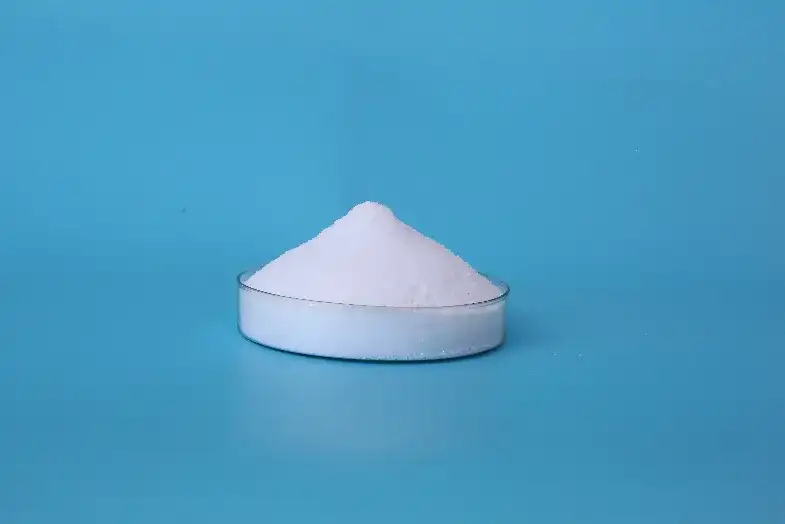
Effective management of superabsorbent polymers (SAP) is critical for baby diaper quality and cost control. Shandong Nuoer Biological Technology Co., Ltd. produces high-quality Balanced Performance Super Absorbent Polymer, Ultra High Absorbency SAP, and High Permeability Super Absorbent Polymer specifically for hygiene products.
Integrating SAP (the material) inventory management within SAP (the enterprise software) can reduce material waste by 10-12% and ensure consistent product quality. The Materials Management (MM) module tracks SAP (material) from procurement to consumption, ensuring optimal stock levels and preventing shortages. Quality Management (QM) monitors the quality of incoming General Purpose Super Absorbent Polymer batches, ensuring they meet strict absorption and retention specifications. Production Planning (PP) optimizes SAP (material) usage based on production schedules, minimizing waste and maximizing efficiency.
This integrated approach provides complete material traceability SAP, allowing manufacturers to quickly identify and address any quality deviations. Shandong Nuoer’s annual production capacity of 560,000 tons of superabsorbent resin necessitates precise supply chain management baby diapers to maintain continuous operations and consistent product quality.
| Best Practice Area | Description |
|---|---|
| Batch Tracking | Record supplier lot numbers and link them to production runs for full traceability |
| Quality Thresholds | Set automatic alerts when incoming SAP material falls outside absorption specifications |
| Safety Stock Levels | Configure minimum inventory based on lead times and production forecasts |
| Supplier Integration | Connect supplier delivery schedules directly to procurement planning |
Automation, Quality Control, and Regulatory Compliance
SAP systems are instrumental in streamlining manufacturing operations for baby diaper factories, integrating automation, quality control, and regulatory compliance. Industry 4.0 diaper production relies on SAP to orchestrate automated production lines, minimizing manual intervention and reducing errors.
The Quality Management (QM) module ensures rigorous quality control diaper manufacturing at every stage, from inspecting raw materials like Acrylamide Monomer Crystal and Glacial Acrylic Acid to final product testing. This proactive approach reduces product recalls by 5-8% and ensures compliance with global health and safety standards. The reason this works is straightforward: catching defects early costs far less than discovering them after packaging or, worse, after shipment.
Production Planning (PP) and Manufacturing Execution Systems (MES) within SAP facilitate precise production planning and scheduling, optimizing resource utilization and throughput. SAP’s robust reporting capabilities provide audit trails essential for regulatory compliance diaper industry, particularly for international markets. This comprehensive oversight ensures that every diaper produced meets stringent industry benchmarks.
Cutting Costs and Building Sustainable Operations
SAP plays a pivotal role in driving cost optimization diaper production and fostering sustainable diaper manufacturing practices. By providing granular data on energy consumption, material usage, and waste generation, SAP analytics identify opportunities for significant savings.
Energy efficiency manufacturing can improve by up to 15%, and waste reduction can reach 10% in large-scale diaper production facilities. These numbers come from better visibility into where resources actually go rather than relying on estimates or monthly summaries.
The Environmental, Health, and Safety (EHS) module within SAP helps manage waste management ERP processes, track emissions, and ensure adherence to environmental regulations. Financial reporting SAP modules provide transparent cost breakdowns, allowing manufacturers to pinpoint inefficiencies and implement corrective actions. This commitment to sustainability aligns with Shandong Nuoer’s vision of “manufacturing perfect products” while minimizing environmental impact.
What Actually Goes Wrong During SAP Implementation
Implementing SAP for a baby diaper factory involves navigating various challenges. Successful SAP implementations often involve a phased approach, reducing project risks by 25% and improving user adoption rates by 30%.
Key challenges include data migration, user training, and system integration challenges with existing legacy systems. Data migration tends to be messier than anyone expects because legacy systems often contain years of inconsistent entries, duplicate records, and fields that nobody remembers creating.
Best practices for ERP project management best practices include clear project scoping, strong executive sponsorship, and comprehensive change management SAP strategies. Future trends in manufacturing technology, such as AI, machine learning, and IoT integration, will further enhance SAP’s capabilities in digital transformation manufacturing. These advancements promise even greater automation, predictive analytics, and real-time insights for diaper manufacturers.
Common Implementation Hurdles and How to Address Them
Implementing SAP in a baby diaper factory often presents challenges like complex data migration from legacy systems, requiring meticulous planning and data cleansing. User training ERP is crucial to ensure smooth adoption, addressed through tailored programs and continuous support. System integration challenges with existing machinery or third-party applications can be mitigated by engaging experienced SAP consultants and utilizing standard integration tools. Practical solutions involve phased rollouts, dedicated project teams, and comprehensive testing to minimize disruption and maximize system effectiveness.
Partner with Shandong Nuoer for Advanced Diaper Production
Unlock unparalleled efficiency and market leadership for your baby diaper production with advanced SAP solutions. Shandong Nuoer Biological Technology Co., Ltd. offers the high-quality superabsorbent resins essential for your products, backed by a global network and a commitment to “manufacturing perfect products.” Partner with us to integrate superior materials with cutting-edge SAP strategies. Contact us today at +86-532-66712876 or en*****@***er.com to discuss how our expertise can drive your success and build a brighter future together.
Frequently Asked Questions About SAP for Diaper Production
Which SAP S/4HANA modules matter most for diaper manufacturing?
For baby diaper manufacturing, key SAP S/4HANA modules include Production Planning (PP) for scheduling and resource management, Materials Management (MM) for raw material procurement and inventory, Quality Management (QM) for product consistency, and Sales and Distribution (SD) for order fulfillment. These modules integrate to provide a holistic view of the entire production lifecycle, from raw materials like superabsorbent polymers to finished goods.
How does SAP handle inventory for superabsorbent polymers specifically?
SAP significantly enhances inventory management for critical raw materials such as superabsorbent polymers by providing real-time visibility into stock levels, automating reorder processes, and optimizing warehouse logistics. This reduces carrying costs, minimizes waste, and ensures a continuous supply of essential components, preventing production delays and improving overall efficiency in the baby diaper factory.
What makes SAP worth the investment for factories targeting international markets?
SAP is crucial for modern diaper factories aiming for global competitiveness because it provides a unified platform for managing complex operations, ensuring high-quality output, and adapting to dynamic market demands. It enables data-driven decision-making, streamlines supply chains, and facilitates compliance with international standards, allowing manufacturers to optimize costs, enhance product innovation, and expand their global market presence efficiently.



 English
 Russian
 Arabic
 Spanish