

Superabsorbent Polymers in Premium Baby Diapers
The first time I watched a premium diaper handle a sudden flood of liquid without a trace of surface wetness, the engineering behind it stopped feeling abstract. Superabsorbent polymers do the heavy lifting in modern baby diapers, and the gap between standard and premium SAP performance shows up fast in real-world use. Parents notice when a diaper keeps skin dry through the night, and that outcome traces back to how the polymer captures and holds fluid. This piece breaks down what makes SAP technology work in premium diapers, from the chemistry that drives absorption to the design choices that prevent leaks.
SAP Technology Drives Premium Baby Diaper Performance
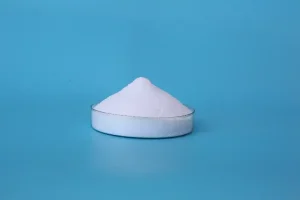
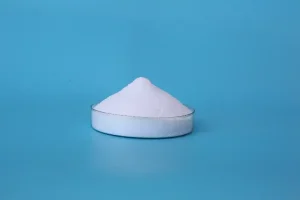
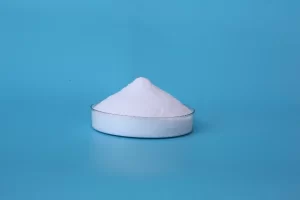
Superabsorbent polymers sit at the center of what makes a premium baby diaper actually perform. These cross-linked polymers, including General Purpose Super Absorbent Polymer (MODEL: SAP NR860) and High Permeability Super Absorbent Polymer (MODEL: SAP NR-760K), grab liquid fast and lock it into a stable hydrogel. The chemistry matters here. When urine contacts the polymer network, sodium ions in the SAP create an osmotic gradient that pulls water molecules into the structure. Cross-linking prevents the polymer chains from dissolving, so the absorbed fluid stays put.
Premium SAP can absorb hundreds of times its weight in water within seconds. Standard cellulose fluff pulp cannot come close to that speed or capacity. This rapid fluid uptake stops liquid from spreading sideways across the diaper surface, which is how most leaks start in conventional products.
The gel blocking prevention in advanced SAP keeps absorbed liquid from migrating back to the surface, even when a baby sits or lies on the diaper. Cross-linking density controls this behavior directly. Higher cross-linking creates a more rigid gel structure that resists compression and fluid release. SAP NR-760K is engineered for high liquid permeability, which means fluid distributes efficiently through the entire core rather than pooling in one spot.
Testing data shows premium SAP can reduce rewet values by up to 70% compared to standard materials. That number translates directly to drier skin contact and fewer irritation issues.
SAP Types That Work Best in Ultra-Thin Premium Diapers
Ultra-thin premium baby diapers need SAP formulations that deliver high performance without bulk. Surface cross-linked SAP performs particularly well in these applications. The surface treatment creates a shell around each particle that maintains structural integrity under pressure, which thin designs demand.
Particle size distribution affects how SAP integrates into the diaper core. Smaller, more uniform particles pack together efficiently and create consistent absorption across the core surface. Inverse emulsion polymerization produces SAP with excellent absorption kinetics and retention properties. The resulting particles offer the flexibility that ultra-thin designs require while maintaining the absorption capacity parents expect from premium products.
These specialized formulations allow manufacturers to create diapers that feel almost invisible under clothing while still handling overnight fluid loads.
Core Design Optimization Maximizes SAP Efficiency
The way a diaper core is constructed determines how effectively the SAP inside it can work. Channel technology creates pathways through the core that distribute fluid before it can overwhelm any single area. Without these channels, gel blocking can trap incoming liquid at the surface while SAP deeper in the core stays dry and unused.
Channels also improve how the diaper moves with a baby’s body. A core that can flex and bend maintains better contact with skin, which reduces the gaps where leaks start.
SAP distribution within the core layers requires precision. Clumping reduces the effective surface area available for absorption. Manufacturing processes that ensure uniform particle dispersion get more performance from the same amount of polymer.
Breathability connects to core design as well. Air needs pathways through the structure to prevent heat buildup against skin. Heat and moisture together create the conditions where diaper rash develops. Advanced core designs can incorporate odor control features and hypoallergenic materials alongside the SAP, building a complete system rather than just an absorbent pad.
Quality and Safety Standards for SAP in Baby Diapers
Material purity determines whether SAP is safe for prolonged skin contact. Residual monomers from the polymerization process can cause irritation if present at high levels. Super Absorbent Polymer Supplier Wholesale products, including SAP NR860, SAP NR-760K, and Balanced Performance Super Absorbent Polymer (MODEL: SAP NR-760H), are manufactured with low residual monomer content.
Dermatological testing confirms that SAP formulations do not cause skin reactions. This testing matters because babies have more sensitive skin than adults, and diapers stay in contact with that skin for hours at a time.
Quality control runs continuously through production. Raw material inspection catches problems before they enter the manufacturing process. Final product analysis confirms absorption capacity, rewet values, and the absence of harmful extractables. Toxicity testing meets global regulatory requirements, which vary by market but share common concerns about chemical safety.
Global Regulatory Standards Governing SAP in Diapers
Multiple regulatory frameworks address SAP content and safety in baby diapers. The EU REACH regulation covers chemical substances used in consumer products, including the polymers in diaper cores. The FDA provides guidance that influences material selection for products with prolonged skin contact.
Japan and China maintain national standards specifying permissible SAP concentrations and purity levels. These standards typically set limits for residual monomers and other impurities. Compliance with these requirements is necessary for market access and provides consumers with baseline safety assurance.
Manufacturers targeting multiple markets need SAP that meets the strictest applicable standards, since reformulating for each region adds cost and complexity.
Advanced SAP Supports Sustainable Diaper Manufacturing
The environmental footprint of disposable diapers has drawn increasing attention from consumers and regulators. Traditional SAP is petroleum-derived and does not biodegrade, which creates disposal challenges. Research into biodegradable SAP options aims to maintain absorption performance while reducing environmental impact.
Renewable feedstocks for SAP production offer another path toward sustainability. Bio-based polymers can reduce the carbon footprint associated with raw material extraction and processing.
Material efficiency provides immediate environmental benefits even with conventional SAP. Higher-performing polymers allow thinner diapers with less total material per unit. Less material means less waste, regardless of biodegradability.
Brands positioning themselves around sustainability find that advanced SAP formulations support their messaging while maintaining the performance that parents demand. The market is moving in this direction, and manufacturers who invest in sustainable SAP options now will be better positioned as regulations tighten.
Economic Returns from Premium SAP Sourcing
The cost calculation for SAP sourcing extends beyond the per-kilogram price. Premium SAP with higher absorption capacity allows manufacturers to use less material per diaper while maintaining or improving performance. Production costs drop when fewer diapers fail quality checks due to leakage or poor absorption.
Product differentiation in the baby diaper market increasingly depends on performance claims that consumers can verify through use. A diaper that keeps skin noticeably drier than competitors justifies a higher price point. Parents who find a diaper that works well tend to stick with it, which builds brand loyalty and repeat purchase rates.
Supply chain reliability matters for production planning. Consistent access to high-quality SAP prevents the scramble that comes when a supplier delivers substandard material or misses a delivery window.
The return on investment shows up in market share gains and the ability to compete in the premium segment where margins are higher.
SAP Creates Premium Diaper Features Beyond Basic Absorption
The premium designation for baby diapers rests on more than just how much liquid they can hold. High-quality SAP enables thinner diapers that fit better under clothing and allow more natural movement. Parents notice when a diaper does not add bulk to their baby’s silhouette.
Breathability improves when efficient SAP allows for core designs with better air circulation. Skin that stays dry and ventilated develops fewer rashes.
Fit stability matters over the life of a diaper. Conventional diapers sag and shift as they absorb fluid, creating gaps where leaks occur. Advanced SAP maintains gel structure under load, so the diaper keeps its shape and stays snug against the body.
These features combine to create the experience that justifies premium pricing. Parents pay more because the diaper actually performs better in ways they can feel and see.
Frequently Asked Questions About SAP in Premium Baby Diapers
What is the typical SAP concentration in a premium baby diaper, and why does it matter?
SAP concentration in premium baby diapers typically ranges from 15-30% of the core weight. This concentration directly affects absorption capacity, rewet performance, and overall diaper thickness. Higher quality SAP achieves optimal performance at lower concentrations, which allows for thinner, more comfortable products without sacrificing absorbency.
How do manufacturers ensure the safety and hypoallergenic properties of SAP in baby diapers?
Manufacturers ensure SAP safety through rigorous testing and compliance with international standards. This includes sourcing high-purity polymers, conducting dermatological testing, and verifying that materials are non-irritating and free from harmful substances. Reputable suppliers provide comprehensive safety data and certifications for their superabsorbent polymers.
Can SAP contribute to the biodegradability or compostability of baby diapers?
Traditional SAP is not biodegradable, but research continues on bio-based and biodegradable alternatives. These advanced superabsorbent polymers aim to deliver comparable absorption performance while reducing environmental impact. Progress in this area supports the growing demand for eco-friendly diaper options.
Partner with Shandong Nuoer Biological Technology Co., Ltd.
Shandong Nuoer Biological Technology Co., Ltd. develops superabsorbent polymer solutions for manufacturers building premium baby diapers. Our SAP products, including Ultra High Absorbency SAP (MODEL: SAP NR-611) and High CRC Super Absorbent Polymer, support performance goals, safety requirements, and sustainability initiatives. Contact us to discuss formulations tailored to your product specifications. Email en*****@***er.com or call +86-532-66712876.


 English
 Russian
 Arabic
 Spanish