

Solid-liquid separation sits at the heart of every mining operation, and getting it wrong costs real money. Anionic polyacrylamide molecular weight selection determines whether your thickeners perform efficiently or struggle with poor settling rates. The difference between optimal and suboptimal polymer choice shows up in recovery percentages, water consumption, and tailings handling costs. What follows covers the technical ground for matching anionic PAM molecular weight to specific mining conditions.
How Anionic PAM Functions in Mineral Processing
Anionic polyacrylamide works through a straightforward mechanism that produces complex results. The polymer chains adsorb onto suspended particles, neutralize surface charges, and bridge multiple particles into larger aggregates. These flocs settle faster than individual particles ever could. The process sounds simple enough, but particle mineralogy, slurry density, and water chemistry all influence how effectively any given polymer performs.
Different anionic polyacrylamide formulations serve distinct purposes in mineral processing. High molecular weight variants excel at bridging and rapid settling. Lower molecular weight options handle fine particle clarification where gentler flocculation prevents carryover. The polymer’s dissolution rate matters for operational efficiency, and residual monomer content affects both environmental compliance and downstream processing.
| Anionic PAM Type | Molecular Weight Range (Millions) | Primary Applications | Key Benefits |
|---|---|---|---|
| Low MW | 1-5 | Fine particle removal, clarification | Improved clarity, reduced turbidity |
| Medium MW | 5-15 | General flocculation, thickening | Balanced performance, versatile |
| High MW | 15-30+ | Tailings dewatering, rapid settling | Enhanced dewatering, faster settling |
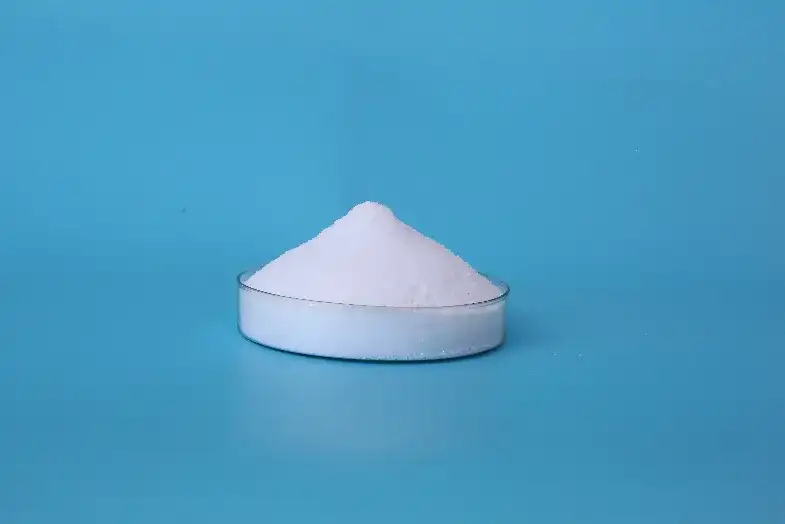
Proper anionic PAM selection translates directly into measurable outcomes. Thickener underflow density increases. Filter cake moisture drops. Overflow clarity improves enough to enable water recycling. These gains compound across an operation, reducing fresh water requirements and shrinking the environmental footprint of tailings storage.
Molecular Weight Effects on Flocculation Performance
Longer polymer chains bridge more particles. This basic relationship explains why high molecular weight anionic PAM produces larger flocs and faster settling in most applications. The chains physically connect particles across greater distances, creating aggregate structures that trap less water and release it more readily during dewatering.
The relationship between molecular weight and performance has limits. Excessively high molecular weight creates viscous solutions that resist proper mixing. Poor dispersion means uneven dosing and wasted polymer. The slurry’s rheological properties and particle size distribution determine where the optimal molecular weight falls for any specific application. A 25-million molecular weight product that works perfectly in one circuit may underperform in another with different solids characteristics.
Anionic PAM Molecular Weight Selection for Gold Processing
Gold processing typically demands high to ultra-high molecular weight anionic PAM, generally in the 15 to 30+ million range. The fine particle sizes characteristic of gold ores require aggressive bridging to achieve acceptable settling rates. Complex ore mineralogy adds another layer of difficulty, as different mineral surfaces interact with the polymer differently.
Dosage optimization becomes critical at these high molecular weights. Over-application creates viscosity problems and can actually reduce flocculation efficiency through steric hindrance. Under-application leaves particles unbridged and settling rates unacceptably slow. Laboratory jar testing with actual process water and slurry provides the baseline, but plant-scale optimization usually requires adjustment based on real operating conditions.
Charge Density and Other Selection Criteria
Molecular weight tells only part of the story. Charge density determines how strongly the polymer interacts with particle surfaces through electrostatic attraction. Higher charge density promotes stronger initial adsorption, which matters significantly when treating slurries containing highly charged mineral surfaces.
The hydrolysis level of anionic PAM affects both charge density and pH sensitivity. Higher hydrolysis increases anionic character but may reduce performance in acidic conditions where carboxylate groups become protonated. Environmental regulations increasingly influence polymer selection, pushing operations toward products with lower residual monomer content and better biodegradability profiles.
| Parameter | Impact on Flocculation | Impact on Dewatering |
|---|---|---|
| Molecular Weight | Floc size, settling rate | Water release, cake dryness |
| Charge Density | Bridging, electrostatic attraction | Floc strength, permeability |
| Hydrolysis Level | pH range effectiveness, solubility | Floc stability, water retention |
| Viscosity | Mixing, dispersion | Pumping, handling |
| Residual Monomer | Environmental impact | Product purity |
Solution viscosity affects practical handling throughout the dosing system. Highly viscous polymer solutions require more powerful mixing equipment and larger diameter piping. Fast dissolution rates reduce makeup time and improve operational flexibility when demand fluctuates.
Charge Density Considerations in Flotation Applications
Mineral flotation depends on selective interactions between reagents and specific mineral surfaces. Charge density becomes as important as molecular weight because it controls which particles the polymer preferentially adsorbs onto. Getting this wrong means flocculating the wrong fraction or failing to achieve the selectivity that makes flotation separation work.
The anionic PAM charge density must match the surface charge characteristics of target particles. Too low and adsorption becomes weak. Too high and selectivity suffers as the polymer binds indiscriminately. The synergy between molecular weight and charge density determines overall flotation efficiency and mineral recovery.
Field Performance Across Mining Applications
Coal processing provides clear evidence of molecular weight effects on dewatering outcomes. High molecular weight anionic PAM creates flocs that release water efficiently, reducing final product moisture content. Lower moisture means lower transportation costs and better combustion characteristics. Operations have documented moisture reductions of several percentage points through optimized polymer selection.
Copper tailings thickeners benefit from anionic PAM formulations that balance settling rate with overflow clarity. The overflow often serves as process water, so clarity directly affects downstream operations. Iron ore processing similarly depends on efficient solid-liquid separation to maintain throughput without bottlenecking at thickeners or filters.
Shear stability matters in high-energy mixing environments. Flocs that break apart under pumping or agitation release fine particles back into suspension, negating the flocculation effort. The molecular weight and structure of the anionic PAM influence how well flocs survive mechanical stress. Mining wastewater treatment applications face similar challenges, requiring polymers that maintain performance through multiple processing steps.
Molecular Weight Effects in Coal Dewatering
Coal processing demonstrates the direct connection between anionic PAM molecular weight and dewatering efficiency. High molecular weight polymers create large, open floc structures that drain water rapidly. The resulting lower moisture content reduces weight for transportation and improves thermal efficiency during combustion.
Very fine coal particles present the greatest challenge. These particles have high surface area relative to mass and resist settling without effective flocculation. High molecular weight anionic PAM bridges these fines into manageable aggregates. The specific molecular weight that works best depends on the coal type, particle size distribution, and process water chemistry.
Emerging Developments in Mining Flocculants
Environmental pressure continues reshaping flocculant development priorities. Biodegradability receives increasing attention as tailings storage facilities face stricter long-term management requirements. Polymers derived from renewable feedstocks offer potential advantages for operations seeking to reduce their environmental footprint.
Lower effective dosages reduce both chemical costs and the total polymer load entering tailings systems. Research focuses on improving polymer efficiency through better molecular architecture and more targeted charge distribution. These advances benefit operations economically while supporting compliance with tightening environmental standards.
Technical Support for Polymer Selection
Shandong Nuoer Biological Technology Co., Ltd. produces 500,000 tons of polyacrylamide annually and supplies operations in over 60 countries. This scale enables consistent product quality and reliable supply for mining operations worldwide. Technical specialists work with operations to match anionic PAM molecular weight and charge characteristics to specific process requirements. Contact the team at +86-532-66712876 or en*****@***er.com for application support. For more information, check Polyacrylamide Supplier OEM.
Frequently Asked Questions About Anionic PAM in Mining
What factors determine anionic PAM selection for tailings management?
Slurry characteristics drive the selection process. Particle size distribution, solids density, and pH all influence which molecular weight and charge density will perform best. The target settling rate and final underflow density determine whether high molecular weight products are necessary or whether medium molecular weight options provide adequate performance at lower cost. Environmental compliance requirements may restrict certain polymer types or mandate specific residual monomer limits.
How does water chemistry affect anionic PAM molecular weight performance?
Water chemistry changes how the polymer behaves in solution and how it interacts with particles. High ionic strength can compress the polymer coil, reducing its effective bridging length. Multivalent cations like calcium or magnesium can cross-link polymer chains, sometimes beneficially but often creating handling problems. pH affects the charge state of both the polymer and the mineral surfaces. Process water testing should accompany any polymer evaluation to ensure laboratory results translate to plant conditions.
Does higher molecular weight anionic PAM always improve solid-liquid separation?
Not necessarily. High molecular weight creates larger flocs under favorable conditions, but several factors can negate this advantage. Very viscous solutions mix poorly, leading to uneven dosing and wasted polymer. High shear environments break large flocs apart, sometimes making medium molecular weight products more effective overall. The optimal molecular weight balances floc size against solution handling characteristics and floc durability under actual process conditions.




 English
 Russian
 Arabic
 Spanish