
Getting SAP selection right for sanitary napkins makes or breaks product performance. The wrong polymer choice shows up immediately in consumer complaints about leakage, discomfort, or skin irritation. After working through countless formulation challenges, the technical specifications that actually matter become clear—and they’re not always the ones that look impressive on a data sheet. This guide walks through the evaluation process that separates adequate SAP from genuinely superior materials.
How Super Absorbent Polymer Actually Works in Feminine Hygiene
Super Absorbent Polymer is a cross-linked polymer synthesized from acrylic acid, sodium hydroxide, and cross-linking agents. This material forms a hydrogel, capable of rapidly absorbing hundreds of times its weight in water. The hydrogel retains fluid even under pressure, preventing rewet and ensuring dryness. This unique property makes SAP indispensable in sanitary napkins.
The mechanism involves polymer crosslinking, which creates a three-dimensional network. This network allows water molecules to diffuse into the polymer structure, forming a stable gel. The process is highly efficient due to the polymer’s chemical structure and high concentration of hydrophilic groups.
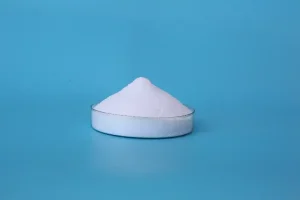
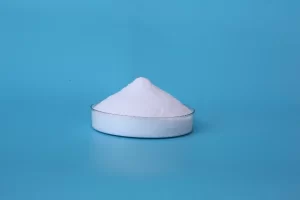
SAP products like General Purpose Super Absorbent Polymer (MODEL: SAP NR860) and High Permeability Super Absorbent Polymer (MODEL: SAP NR-760K) demonstrate these advanced properties in practice.
Performance Metrics That Actually Predict Real-World Results
Evaluating SAP for sanitary napkins requires focus on specific performance metrics. These indicators directly correlate with product efficacy and user comfort. Absorption capacity under load (AUL), saline flow conductivity (SFC), absorption speed, and rewet properties deserve the most attention.
AUL measures the amount of fluid SAP can absorb while under pressure. This matters for preventing leakage during movement and sitting. SFC indicates how quickly fluid moves through the SAP layer, impacting overall absorption efficiency. Absorption speed determines how rapidly the napkin can absorb sudden fluid insults. Rewet values assess the amount of fluid released back to the surface under pressure, directly affecting user dryness.
| Metric | Description | Ideal Performance |
|---|---|---|
| Absorption Under Load (AUL) | Fluid absorbed under a specified pressure (e.g., 0.7 psi) | High AUL for leakage prevention |
| Saline Flow Conductivity (SFC) | Rate at which fluid flows through the swollen gel layer | High SFC for rapid fluid distribution |
| Absorption Speed | Time taken to absorb a defined volume of liquid | Fast absorption for immediate dryness |
| Retention Capacity | Amount of fluid held by the SAP after centrifugation | High retention to minimize rewet |
| Rewet | Amount of fluid released from the product surface under pressure | Low rewet for enhanced comfort |
| Extractables | Amount of water-soluble components that can leach from the SAP | Low extractables for safety and skin compatibility |
Shandong Nuoer Biological Technology Co., Ltd. provides SAP with superior performance across these indicators.
If you are interested in how our company supports community development, check 《Nuoer Group Donates 300000 RMB to Rongzhuang Village to Support Hometown Development》.
Why Particle Size Decisions Get Complicated
The granular characteristics of SAP significantly influence the tactile feel, fluid distribution, and overall comfort of sanitary napkins. Particle size distribution and polymer morphology are design considerations that trip up many formulators.
Finer particles offer increased surface area, which can lead to faster initial absorption. The catch is that excessively fine particles may contribute to gel blocking, impeding fluid distribution. Coarser particles generally allow for better fluid channeling and reduced gel blocking, but may absorb more slowly.
Balancing these factors takes testing and iteration. The Balanced Performance Super Absorbent Polymer (MODEL: SAP NR-760H) offers a balanced profile for these characteristics.
How does SAP particle size affect absorbency and comfort in feminine hygiene products?
SAP particle size directly impacts both absorbency and comfort. Finer SAP particles typically exhibit faster absorption rates due to their larger relative surface area. They can also increase the risk of gel blocking, which slows down fluid distribution within the napkin. Coarser particles, while potentially absorbing slower initially, facilitate better fluid wicking and reduce gel blocking, enhancing overall comfort and minimizing rewet. The optimal particle size is a trade-off, carefully selected to balance rapid absorption with efficient fluid distribution and user comfort.
Skin Safety and Odor Control Considerations
Dermatological safety and effective odor control are non-negotiable for consumer health and confidence in feminine hygiene products. SAP formulations need to be biocompatible, minimizing skin irritation. This involves rigorous testing for residual monomers and maintaining a skin-friendly pH.
Advanced SAP types can also incorporate odor-neutralizing properties, trapping and neutralizing odor-causing molecules. This approach enhances user confidence and overall product performance. The commitment to low residual monomer content in products like Ultra High Absorbency SAP (MODEL: SAP NR-611) reflects this priority.
What are the long-term dermatological implications of different SAP types?
Long-term dermatological implications of SAP types primarily involve skin compatibility, pH balance, and residual monomer content. High-quality SAP is designed to be non-irritating and hypoallergenic. Maintaining a neutral pH in the product helps prevent skin imbalances. Rigorous testing ensures that residual monomers, which could potentially cause irritation, are kept at minimal, safe levels. Shandong Nuoer Biological Technology Co., Ltd. ensures its SAP products meet stringent safety standards, minimizing any risk of adverse skin reactions over time.
Meeting Regulatory Standards Without Cutting Corners
Adhering to regulatory compliance and robust quality assurance protocols is fundamental in SAP manufacturing for sanitary napkins. Comprehensive testing protocols and certifications to global standards ensure product safety, efficacy, and marketability.
Manufacturing processes following Good Manufacturing Practices (GMP) guarantee consistent quality. Each batch undergoes stringent quality control, verifying absorption capacity, fluid retention, and purity. This approach ensures SAP meets the highest industry benchmarks.
Where SAP Technology Is Heading
The future of SAP technology focuses on enhanced functional properties and sustainable solutions. Research and development of biodegradable SAP options addresses environmental concerns. Innovations include smart SAP technology, capable of responding to specific stimuli, and next-generation absorbents with even higher absorption capacities and faster rates.
These advancements aim to improve user experience, reduce environmental impact, and meet evolving market demands. Continuous investment in R&D keeps development at the forefront of polymer science.
Exploring and developing more sustainable polymer solutions meets evolving market demands and environmental responsibilities. For more information on community initiatives, read 《Nuoer Group Donates Sanitary Pads to Rongzhuang Village》.
Partner with Shandong Nuoer for Superior SAP Solutions
Partner with Shandong Nuoer Biological Technology Co., Ltd. for industry-leading Super Absorbent Polymer solutions. With an annual production capacity of 560,000 tons and a global sales network, we deliver high-performance, quality-assured SAP tailored for optimal sanitary napkin performance. Contact us today to achieve customer success and build a brighter future together. Email: en*****@***er.com, Phone: +86-532-66712876.
Frequently Asked Questions About Super Absorbent Polymer Selection
What are the key performance indicators for SAP in sanitary napkins?
Key performance indicators for Super Absorbent Polymer (SAP) in sanitary napkins include absorption capacity under load (AUL), saline flow conductivity (SFC), absorption speed, rewet values, and retention capacity. These metrics evaluate the SAP’s ability to rapidly absorb and securely lock away fluid, ensuring dryness and comfort for the user. Shandong Nuoer Biological Technology Co., Ltd. provides SAP with superior performance across these indicators.
How does SAP particle size affect absorbency and comfort in feminine hygiene products?
The particle size of Super Absorbent Polymer significantly impacts both absorbency and comfort. Finer SAP particles generally offer faster absorption rates due to increased surface area, while coarser particles can contribute to better fluid distribution and reduced gel blocking. This matters for overall comfort and preventing rewet. Balancing these factors is key to choosing the optimal SAP for specific sanitary napkin designs, a specialization of Shandong Nuoer Biological Technology Co., Ltd.
What are the long-term dermatological implications of different SAP types?
Long-term dermatological implications of Super Absorbent Polymer (SAP) types primarily revolve around skin compatibility, pH balance, and the presence of any residual monomers. High-quality SAP, such as that produced by Shandong Nuoer Biological Technology Co., Ltd., is designed to be non-irritating, hypoallergenic, and maintain a skin-friendly pH, minimizing the risk of adverse reactions. Rigorous testing ensures that SAP products meet stringent safety standards for feminine hygiene applications.
Can Super Absorbent Polymer contribute to odor control in sanitary napkins?
Yes, advanced Super Absorbent Polymer (SAP) formulations can significantly contribute to odor control in sanitary napkins. Beyond their primary function of fluid absorption, some SAP types are engineered with specific properties or integrated with odor-neutralizing agents to trap and neutralize odor-causing molecules. This approach enhances user confidence and overall product performance, aligning with the high-tech offerings from Shandong Nuoer Biological Technology Co., Ltd.
What sustainable options are available when choosing Super Absorbent Polymer for sanitary napkins?
When choosing Super Absorbent Polymer for sanitary napkins, sustainable options are increasingly available, focusing on biodegradability and renewable raw materials. Research and development are progressing towards bio-based SAPs and those with enhanced environmental profiles. Shandong Nuoer Biological Technology Co., Ltd. is committed to exploring and developing more sustainable polymer solutions to meet evolving market demands and environmental responsibilities.


 English
 Russian
 Arabic
 Spanish