
Acrylamide monomer sits at the foundation of polymer chemistry. Get the purity wrong, and everything downstream suffers. Get it right, and you unlock better performance, cleaner reactions, and products that actually do what they’re supposed to do. The challenge is figuring out where your specific application falls on that spectrum and what you’re willing to pay for it.
Acrylamide Monomer Purity Grades and What They Actually Mean
Purity isn’t a single number. It’s a range, and the grade you choose determines both the concentration of acrylamide you’re working with and how much unwanted stuff comes along for the ride. Industrial grade, high-purity, and ultra-high purity each serve different purposes. Industrial grade handles less demanding work. High-purity versions become necessary when your process can’t tolerate interference.
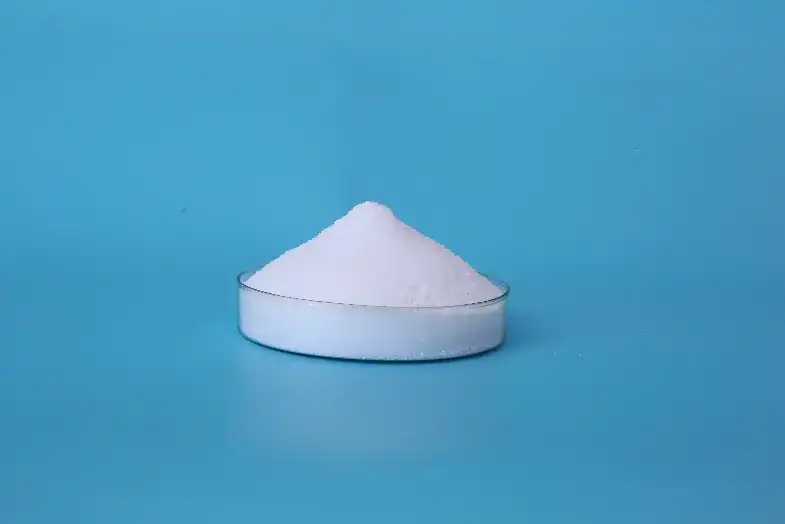
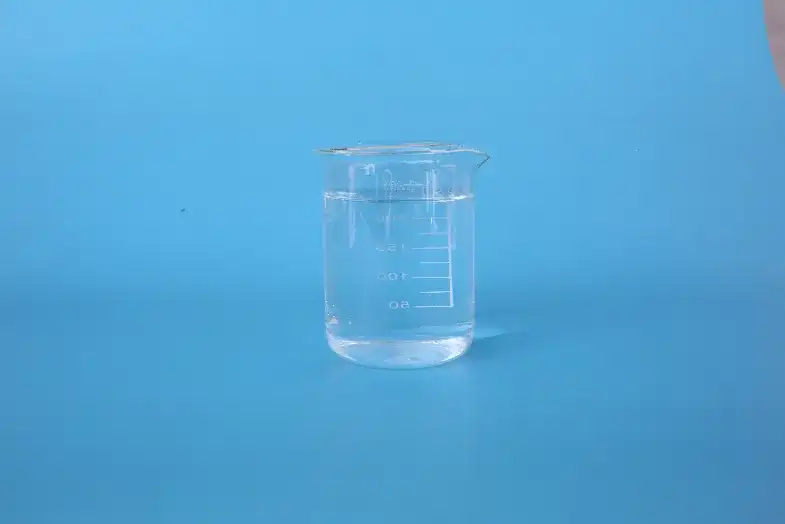
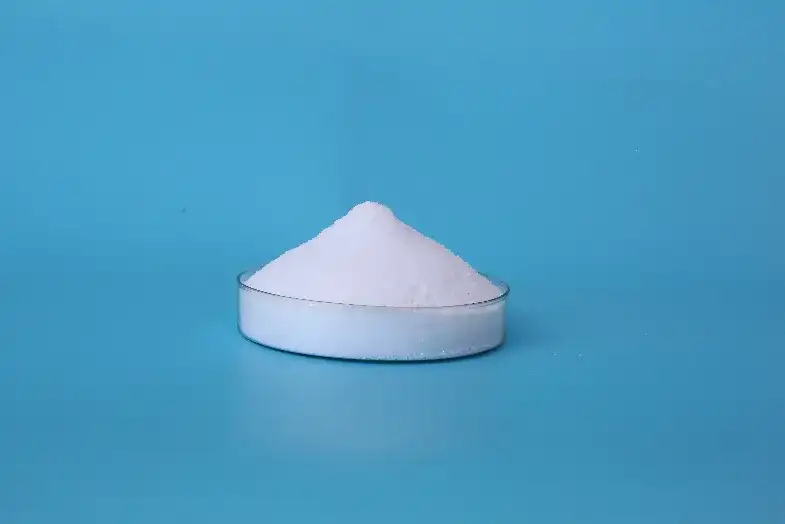
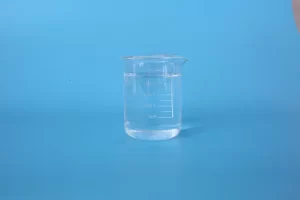
The impurities matter more than most people realize. Acrylic acid, acrylonitrile, and various by-products can throw off polymerization efficiency and degrade your end product. Shandong Nuoer Biological Technology Co., Ltd. produces AM Crystal with purity ≥ 98.0% and AM Aqueous Solution with customizable acrylamide content (28–30%, 38–42%, or 48–52%), both featuring ultra-low impurities. These products are manufactured using advanced microbial technology, ensuring strong polymerization performance. Knowing what’s in your acrylamide, and what shouldn’t be, shapes every procurement decision you make.
| Purity Grade | Typical Purity (%) | Key Impurities (Max ppm) | Typical Applications |
|---|---|---|---|
| Industrial | 97-98 | Higher tolerance | Bulk industrial processes, general wastewater treatment |
| High-Purity | 98-99 | Moderate limits | Specialized flocculants, enhanced oil recovery |
| Ultra-High Purity | >99 | Stringent limits | Superabsorbent polymers, sensitive applications |
How Purity Shapes Performance and What It Costs You
Even trace impurities can derail a polymerization reaction. High levels of acrylic acid cause premature chain termination. You end up with lower molecular weight polymers that underperform in flocculation or enhanced oil recovery applications. The chemistry doesn’t forgive shortcuts.
Superabsorbent polymers feel the impact even more acutely. Our Ultra High CRC Super Absorbent Polymer (SAP NR-611) and High Liquid Permeability Super Absorbent Polymer (SAP NR-760K) rely on high-purity acrylamide to achieve their superior performance characteristics. Unwanted by-products can introduce color, odor, or instability. Products become unsuitable for sensitive applications. Higher purity costs more upfront. But enhanced performance, reduced dosage requirements, and improved product quality frequently offset that premium. The real question is whether your application justifies the investment.
What purity levels work for industrial acrylamide monomer?
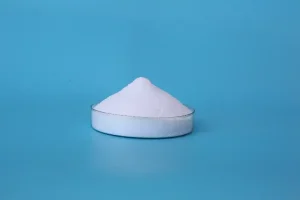
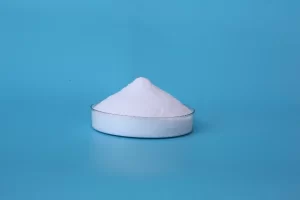
Industrial acrylamide monomer typically runs between 97% and 99% purity. These grades handle bulk applications where extreme purity isn’t the primary concern. Our AM Crystal, with a purity of ≥ 98.0%, exemplifies a high-quality industrial-grade product. This ensures reliable performance across diverse industrial applications.
What Actually Drives Acrylamide Monomer Pricing
Purity is one factor among several. Raw material costs, primarily acrylonitrile, establish the baseline. The manufacturing process matters enormously. Enzymatic production, utilized by Shandong Nuoer Biological Technology Co., Ltd., offers advantages in purity and environmental impact compared to traditional catalytic methods. This advanced microbial technology allows us to deliver ultra-low impurities.
Scale affects pricing too. Larger production volumes typically mean lower per-unit costs. Market dynamics shift constantly. Supply and demand, regional regulations, and global economic conditions all play roles. Higher purity grades carry premiums because of additional purification steps, specialized equipment, and rigorous quality control. Those processes remove trace impurities that would otherwise compromise performance in sensitive applications.
Matching Purity to Your Actual Needs
Over-specifying purity wastes money. Under-specifying creates performance problems, increased dosage requirements, or outright product failure. The sweet spot depends entirely on what you’re making.
Wastewater treatment might tolerate a slightly lower purity grade of Cationic Polyacrylamide Flocculant or Anionic Polyacrylamide for general flocculation. Superabsorbent polymer production for hygiene products demands ultra-high purity. There’s no room for compromise when absorbency and safety are on the line.
Regulatory compliance adds another layer of complexity, particularly for food contact, cosmetics, or potable water applications. Selecting a supplier with robust quality control and certifications, like Shandong Nuoer Biological Technology Co., Ltd., is essential. We offer customizable production to meet specific customer requirements, ensuring optimal performance and cost efficiency. This approach minimizes risks and maximizes long-term return on investment.
《Nuoer Showcased at 26th China IE Expo》
How does high-purity acrylamide pricing compare to technical grade?
High-purity acrylamide typically costs 15-30% more than technical-grade variants. This price difference stems from the extensive purification processes, specialized equipment, and stringent quality control required to achieve lower impurity levels. While the initial investment is higher, the enhanced performance, reduced dosage, and improved product stability often lead to overall cost savings in the long run, particularly in sensitive applications.
Quality Control Methods That Actually Verify Purity
Specifications mean nothing without verification. Robust quality control protocols and advanced analytical methods identify and quantify impurities, confirming that products meet stated specifications.
High-Performance Liquid Chromatography (HPLC) handles organic impurities. Gas Chromatography (GC) detects volatile compounds. Titration determines main component assay. Conductivity measurements and pH testing assess ionic impurities and overall solution quality. Our AM Aqueous Solution undergoes rigorous testing, with conductivity typically ≤ 5-30 μS/cm depending on the grade, and pH between 7.0-9.0. Shandong Nuoer Biological Technology Co., Ltd. employs these stringent analytical techniques to guarantee the quality of our acrylamide products.
What analytical methods determine acrylamide purity?
HPLC identifies and quantifies organic impurities like acrylic acid and acrylonitrile. GC detects volatile organic compounds. Titration determines the main acrylamide content. Conductivity measurements assess ionic impurities. UV-Vis spectroscopy can also be used for specific chromophoric impurities. These techniques ensure precise purity assessment.
Where Acrylamide Production and Purity Management Are Heading
Sustainable production methods are gaining ground. Bio-based processes and enzymatic technologies reduce environmental impact while improving product purity. Shandong Nuoer Biological Technology Co., Ltd. already utilizes advanced microbial technology for our acrylamide production, highlighting our commitment to green chemistry.
Emerging technologies focus on more efficient purification techniques. This could lower the cost of high-purity materials over time. Regulatory pressures around residual monomer content in sensitive applications will continue pushing demand for higher purity standards. These advancements will reshape the cost-purity relationship, enabling manufacturers to achieve optimal performance with greater sustainability.
Partner with Nuoer for Optimized Acrylamide Solutions
As a global leader in polyacrylamide, superabsorbent resin, acrylamide, and acrylic acid products, Shandong Nuoer Biological Technology Co., Ltd. is committed to delivering unparalleled quality and value. With an annual production capacity of 300,000 tons of acrylamide and a presence in over 60 countries, we possess the expertise to help you navigate the complex cost vs. purity trade-off. Contact us today at +86-532-66712876 or en*****@***er.com to discuss your specific requirements and discover how our high-quality acrylamide solutions can optimize your operations and achieve your strategic objectives. Partner with Nuoer for perfect products and a brighter future.
Frequently Asked Questions About Acrylamide Monomer Purity and Cost
What is the primary difference between industrial-grade and high-purity acrylamide monomer?
The primary difference lies in the concentration of impurities. Industrial-grade acrylamide monomer typically contains higher levels of by-products and unreacted raw materials, making it suitable for less sensitive applications where cost efficiency is paramount. High-purity acrylamide, on the other hand, undergoes more rigorous purification processes to minimize impurities, ensuring superior performance and stability for demanding applications like Super Absorbent Polymer Supplier Wholesale or specialized flocculants, albeit at a higher cost.
How does the choice of acrylamide purity impact the final product’s regulatory compliance?
The choice of acrylamide purity significantly impacts regulatory compliance, especially in sensitive applications such as food contact materials, cosmetics, or potable water treatment. Higher purity levels often mean lower concentrations of regulated impurities, making it easier to meet stringent international standards and avoid potential legal or health implications. Manufacturers must carefully consider the regulatory landscape of their target markets when specifying acrylamide purity to ensure product safety and market access.
Can lower-purity acrylamide monomer ever be a cost-effective solution?
Yes, lower-purity acrylamide monomer can be a highly cost-effective solution for applications where the presence of minor impurities does not significantly compromise performance or regulatory requirements. For example, in certain bulk industrial processes like general wastewater treatment or some mining applications, the cost savings associated with technical-grade acrylamide can outweigh the marginal benefits of higher purity. A thorough cost-benefit analysis, considering both short-term savings and long-term performance, is crucial for making an informed decision.


 English
 Russian
 Arabic
 Spanish