
Acrylamide monomer sits at the heart of polymer chemistry for water treatment, though its importance often goes unnoticed outside specialized circles. This compound enables the production of polyacrylamide flocculants that municipal plants and industrial facilities rely on daily. The chemistry is straightforward in principle but demanding in execution. Getting the purity right determines whether downstream polymers perform as expected or fall short when treating millions of gallons of water. Production methods have evolved considerably, and suppliers who invest in advanced synthesis techniques can deliver acrylamide monomer with the consistency that polymer manufacturers need.
How Acrylamide Monomer Functions in Polymer Synthesis
Acrylamide monomer provides the molecular foundation for polyacrylamide and its copolymer variants. The compound contains a vinyl group that participates readily in radical polymerization reactions. This reactivity allows manufacturers to build long-chain polymers with controlled molecular weights and charge densities. The polymerization process transforms individual acrylamide monomer units into high-performance water treatment chemicals.
What makes acrylamide monomer particularly suited for this application is the precision it allows during synthesis. Adjusting reaction conditions yields polymers optimized for specific treatment scenarios. Some applications demand extremely high molecular weights for maximum bridging between particles. Others require moderate chain lengths with particular charge characteristics. The acrylamide monomer starting material accommodates both approaches.
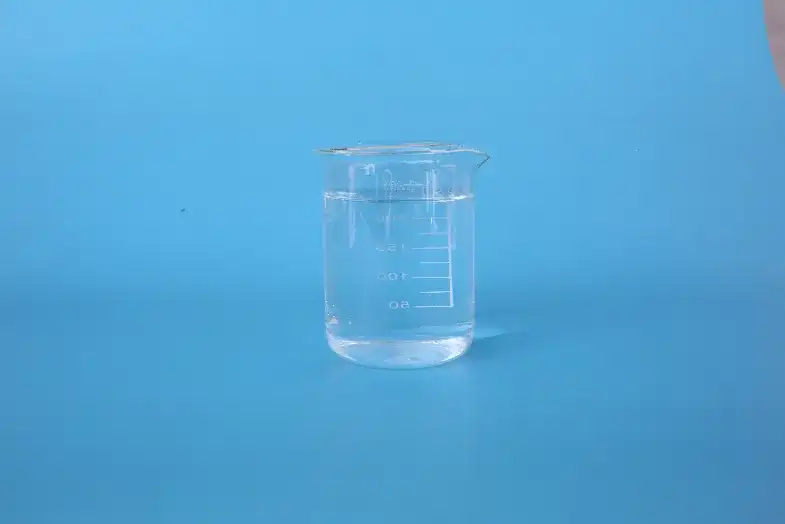
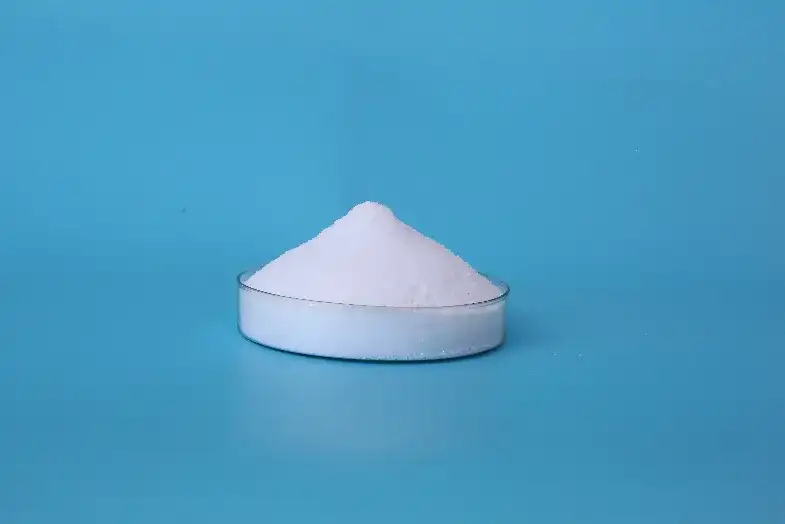
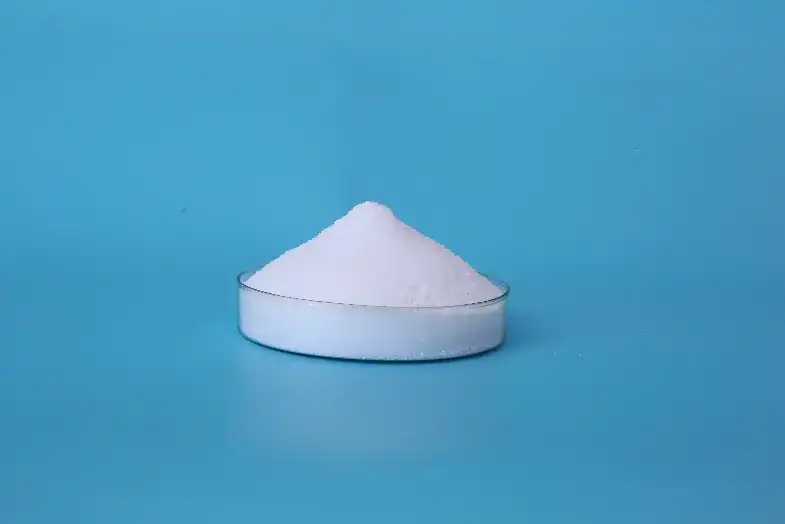
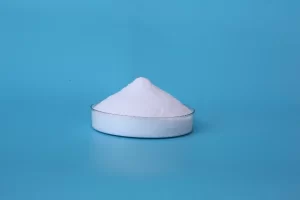
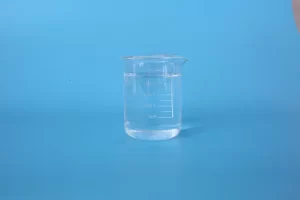
Global production volumes reflect how central acrylamide monomer has become to water treatment infrastructure. Shandong Nuoer Biological Technology uses microbial technology in the acrylamide production process, achieving ultra-low impurity levels and strong polymerization performance. Our AM Crystal (Acrylamide) and Acrylamide Aqueous Solution represent high-purity forms engineered for efficient polymer synthesis.
Polyacrylamide Applications Across Water Treatment Sectors
Polyacrylamide derived from acrylamide monomer works as both flocculant and coagulant in water clarification systems. The mechanism involves charge neutralization and bridging between suspended particles. Fine solids that would otherwise pass through filtration systems aggregate into larger flocs that settle efficiently.
Municipal wastewater facilities use polyacrylamide throughout primary and secondary treatment stages. The polymer accelerates settling in clarifiers and dramatically reduces sludge volumes during dewatering. Industrial operations face different challenges but rely on the same fundamental chemistry. Mining operations, paper mills, and textile plants all generate effluents requiring treatment before discharge. Polyacrylamide helps these facilities meet regulatory limits while sometimes recovering valuable materials from process streams.
Drinking water treatment represents perhaps the most demanding application. Turbidity removal and pathogen reduction depend on effective flocculation. Products used in potable water systems must meet strict limits on residual acrylamide monomer content, a requirement that places premium value on starting material purity.
| PAM Type | Primary Function | Typical Applications | Key Benefits |
|---|---|---|---|
| Cationic Polyacrylamide Flocculant | Sludge dewatering, industrial wastewater | Municipal wastewater, pulp and paper | High flocculation efficiency, strong adaptability |
| Anionic Polyacrylamide | Flocculation, clarification | Drinking water, industrial process water | High molecular weight, strong adsorption |
| Nonionic Polyacrylamide Powder | Flocculation under acidic conditions | Mining, oil and gas | Less affected by pH and salts |
| Amphoteric Polyacrylamide Flocculant | Complex water conditions, sludge dewatering | Chemical wastewater, specialized industrial processes | Effective in challenging environments |
| Polyacrylamide Emulsion | Fast dissolution, high efficiency | General water treatment, rapid response needs | Quick preparation, stable performance |
《Nuoer Showcased at 26th China IE Expo》
Shandong Nuoer Biological Technology participates actively in industry exhibitions, demonstrating our commitment to advancing water treatment solutions. These events provide opportunities for collaboration and knowledge exchange within the environmental sector.
Purity Standards That Determine Polymer Performance
The relationship between acrylamide monomer quality and final polymer performance is direct and measurable. Trace impurities interfere with polymerization kinetics, producing polymers with inconsistent molecular weights or compromised charge characteristics. A batch of acrylamide monomer with elevated impurity levels might yield flocculant that underperforms in the field, requiring higher dosages or failing to achieve target clarity.
Testing protocols must catch quality variations before they propagate through the supply chain. We implement rigorous quality control at every production stage, adhering to ISO certifications and industry specifications. Our Acrylamide Monomer Crystal meets the specifications that polymer manufacturers require for consistent results.
Environmental regulations governing water treatment chemicals continue to tighten globally. Suppliers must understand these requirements and ensure their products support compliance. Safe handling practices for acrylamide monomer protect workers and prevent environmental releases throughout the supply chain.
What role does acrylamide monomer play in water treatment chemical production?
Acrylamide monomer serves as the building block for polyacrylamide synthesis. The compound polymerizes into long-chain molecules that function as flocculants and coagulants. These polymers neutralize charges on suspended particles, causing them to aggregate into settleable flocs. The resulting clarification enables removal of impurities through sedimentation and filtration. Sludge dewatering operations also depend on polyacrylamide performance, making acrylamide monomer quality a factor in treatment efficiency across multiple process stages.
Why does acrylamide monomer purity matter for flocculant performance?
Impurities in acrylamide monomer disrupt polymerization reactions. The resulting polymers may have lower molecular weights than intended or inconsistent charge distributions along the chain. Both problems reduce flocculation effectiveness. Suspended solids bind less efficiently to compromised polymers, requiring higher chemical dosages to achieve the same treatment results. High-purity acrylamide monomer eliminates these variables, producing polymers with predictable performance characteristics.
Production Methods Moving Toward Sustainability
Water treatment operations increasingly evaluate suppliers based on environmental practices. This shift influences how acrylamide monomer and polyacrylamide are manufactured. Energy consumption during synthesis, waste generation, and process efficiency all factor into purchasing decisions.
Shandong Nuoer Biological Technology has invested in production methods that reduce environmental impact while maintaining product quality. Waste minimization and energy efficiency improvements align with broader industry trends toward sustainable chemistry. Market conditions continue evolving as regulations tighten and customers prioritize environmental responsibility alongside cost and performance.
Research efforts explore new approaches to acrylamide monomer synthesis and polyacrylamide production. The goal is delivering water treatment chemicals that perform reliably while supporting environmental stewardship objectives.
《Nuoer Honored as Outstanding Tax Contributor in Dongying City 2024》
Our commitment to sustainable practices extends into corporate responsibility. Recognition for contributions to the local economy reflects the broader values guiding our operations.
Common Questions About Acrylamide Monomer in Water Treatment
What safety measures apply to acrylamide-based water treatment chemicals?
Acrylamide monomer itself requires careful handling due to its toxicity profile. The polymerized form used in water treatment presents far lower risks because of its high molecular weight and limited bioavailability. Manufacturers minimize residual monomer content in finished polyacrylamide products. Shandong Nuoer Biological Technology follows strict safety protocols throughout production. Proper sludge disposal and regulatory compliance remain important considerations for end users applying these chemicals in treatment operations.
How does Shandong Nuoer Biological Technology maintain acrylamide monomer quality?
Quality assurance begins with raw material inspection and continues through production and packaging. Advanced analytical methods verify purity levels and identify impurity profiles. Our quality management system meets ISO 9001 requirements. These measures ensure acrylamide monomer consistently meets the specifications polymer manufacturers need for producing effective flocculants.
Can polyacrylamide be used in drinking water treatment?
Polyacrylamide is approved for drinking water applications when it meets regulatory limits on residual acrylamide monomer content. Direct use of acrylamide monomer in potable water is prohibited. Regulatory agencies including the EPA and WHO establish strict standards that approved products must satisfy. Shandong Nuoer Biological Technology produces polyacrylamide compliant with global standards for drinking water treatment applications.
Working with Shandong Nuoer Biological Technology
Shandong Nuoer Biological Technology Co., Ltd. produces acrylamide monomer and polyacrylamide for water treatment applications worldwide. Our research capabilities and supply chain infrastructure support customers seeking reliable chemical solutions. Contact our team to discuss specific requirements and explore how our products can improve treatment operations. Reach us at en*****@***er.com or +86-532-66712876.




 English
 Russian
 Arabic
 Spanish