
The first time I worked with acrylamide polymerization on an industrial scale, the precision required caught me off guard. Small shifts in temperature or initiator concentration produced noticeably different polymer batches. That experience shaped how I think about acrylamide monomer as a starting material. It is not just another chemical feedstock. The way it behaves during polymerization determines whether the final product performs as expected or falls short.
What Makes Acrylamide Monomer Reactive in Polymer Synthesis
Acrylamide (CH₂=CHCONH₂) carries two functional groups that drive its polymerization behavior. The vinyl double bond allows addition polymerization, while the amide group influences how the resulting polymer interacts with water and other substances. This dual functionality explains why acrylamide monomer finds use in such a wide range of polymer applications.
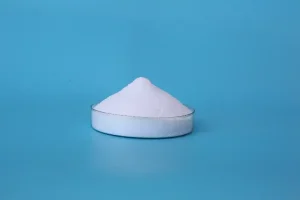
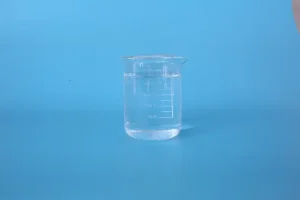
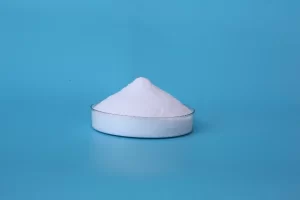
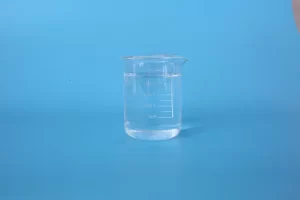
The purity of the starting acrylamide monomer matters more than many formulators initially expect. High-purity acrylamide monomer, typically at 98.0% or above for crystal form and reaching 99.5%+ for demanding applications, prevents side reactions that would otherwise compromise the final polymer. Trace impurities can act as chain transfer agents, cutting polymer chains short and reducing molecular weight below target specifications. Industrial acrylamide production using advanced microbial technology achieves ultra-low impurity levels, which translates directly into more predictable polymerization outcomes. Both Acrylamide Monomer Crystal and Acrylamide Aqueous Solution products benefit from this production approach, with aqueous solutions offering customizable concentrations for specific process requirements.
How Different Polymerization Methods Shape Polyacrylamide Characteristics
Synthesizing polyacrylamide (PAM) from acrylamide monomer involves choosing among several polymerization routes. Free radical, emulsion, solution, and suspension polymerization each produce polymers with distinct properties. The selection depends on what physical form, molecular weight range, and end-use performance the application demands.
Factors That Control Acrylamide Polymerization Outcomes
Several variables determine how acrylamide polymerization proceeds and what properties the resulting polymer exhibits. Initiator concentration sets the pace of the reaction and inversely affects molecular weight. Higher initiator levels speed up polymerization but produce shorter polymer chains. Temperature control during polymerization influences both reaction kinetics and chain termination mechanisms, making precise thermal management a practical necessity rather than an optional refinement. Monomer concentration affects both reaction rate and the achievable molecular weight ceiling. The pH of the reaction medium can alter how co-monomers ionize, which changes their reactivity and affects polymer solubility in the final product.
| Method | Primary Characteristics | Typical Products |
|---|---|---|
| Solution | Homogeneous reaction, broad molecular weight range | Flocculants, thickeners |
| Emulsion | Fine particle control, very high molecular weight | Flocculants, dispersants |
| Suspension | Bead-form products, moderate to high molecular weight | Water treatment, EOR |
| Free Radical | Versatile initiation options, scalable | Various PAM grades |
Acrylamide monomer purity directly influences how consistently these polymerization methods perform. When the starting material contains fewer impurities, the reaction proceeds more predictably, and batch-to-batch variation decreases.
How Polymerization Method Selection Affects End-Use Performance
The relationship between polymerization method and final polymer properties determines which Polyacrylamide Supplier OEM products suit specific industrial needs. Understanding this connection allows formulators to match polymer characteristics to application requirements.
Molecular Weight and Solution Viscosity
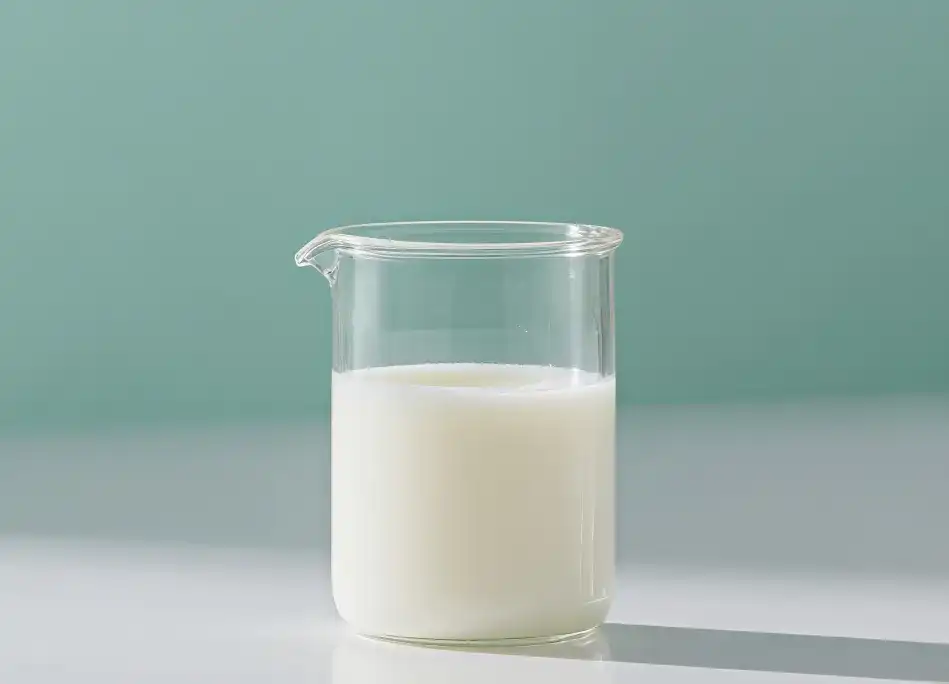
Solution polymerization typically produces polymers across a broad molecular weight range, often yielding high-viscosity products suitable for thickening applications. Emulsion polymerization offers tighter control over molecular weight distribution and can achieve very high molecular weights with uniform particle sizes. Polyacrylamide Emulsion products demonstrate these advantages, dissolving within 5 to 15 minutes while delivering high molecular weight with consistent distribution across the batch.
Charge Characteristics and Ionic Behavior
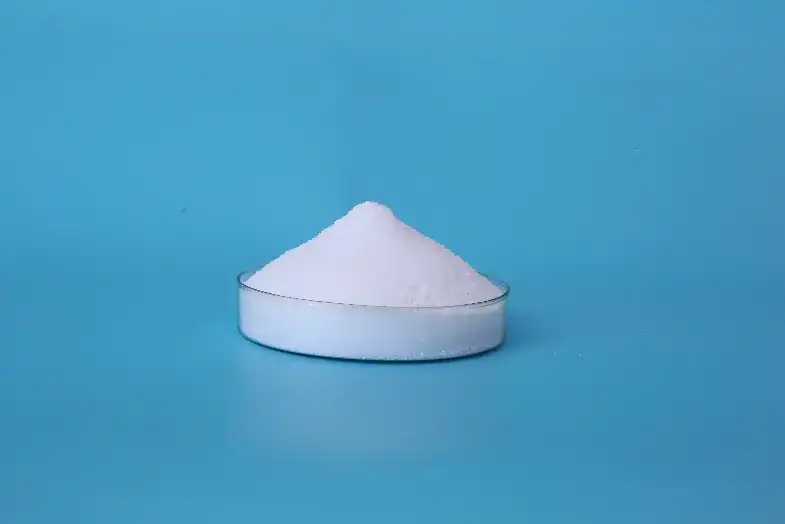
The degree of hydrolysis, controlled either during polymerization or through post-reaction processing, determines whether the polymer behaves as anionic, cationic, non-ionic, or amphoteric. Anionic Polyacrylamide results from copolymerizing acrylamide with acrylate salts, achieving molecular weights exceeding 30 million. This high ionicity strengthens adsorption and bridging effects, which explains why anionic grades perform well in water treatment applications. Cationic Polyacrylamide Flocculant incorporates cationic monomers during synthesis, producing polymers with strong flocculation efficiency that adapt to varying water quality conditions.
Particle Characteristics and Dispersion Behavior
Emulsion and suspension polymerization methods provide the most direct control over particle size and morphology. Water-in-oil (W/O) emulsion technology produces fine, stable polymer dispersions where particle size consistency affects performance in flocculation applications. Surface area and charge density both influence how effectively the polymer interacts with suspended particles, and finely dispersed emulsion polymers often outperform other forms when rapid particle aggregation matters.
| Property | Solution Polymerization | Emulsion Polymerization | Suspension Polymerization |
|---|---|---|---|
| Molecular Weight | Broad range, often high | Very high, controlled | Moderate to high |
| Viscosity | High | High (in solution) | Variable |
| Particle Size | Not applicable (homogeneous) | Fine, uniform (0.1-10 µm) | Larger, irregular (10-1000 µm) |
| Dissolution Rate | Moderate | Fast (for emulsion products) | Moderate |
| Purity | High | High | High |
| Applications | Flocculants, thickeners | Flocculants, dispersants | Water treatment, EOR |
Recent developments in polyacrylamide technology were showcased at the 25th China International Petroleum & Petrochemical Technology and Equipment Exhibition, highlighting advances in green manufacturing approaches. 《Nuoer at 25th China International Petroleum & Petrochemical Technology Exhibition》
Tailoring Acrylamide Polymerization for Specific Industrial Requirements
Optimizing acrylamide polymerization for industrial applications requires balancing multiple variables to achieve target polymer properties while maintaining production efficiency. Advanced microbial technology and extensive process experience enable the customization of polyacrylamide products for demanding end-uses.
Water treatment applications typically require high molecular weight polymers with appropriate charge density to maximize flocculation efficiency. Nonionic Polyacrylamide Powder and Amphoteric Polyacrylamide Flocculant serve these applications, with emulsion polymerization often selected because it produces high molecular weight polymers with controlled particle sizes that dissolve rapidly and perform effectively in solid-liquid separation.
Enhanced oil recovery (EOR) places different demands on polymer properties. Reservoir conditions require specific rheological characteristics and thermal stability that standard grades may not provide. Solution polymerization or inverse emulsion polymerization can be adjusted to produce polymers with the molecular weight and hydrolysis degree needed for efficient oil displacement under harsh conditions.
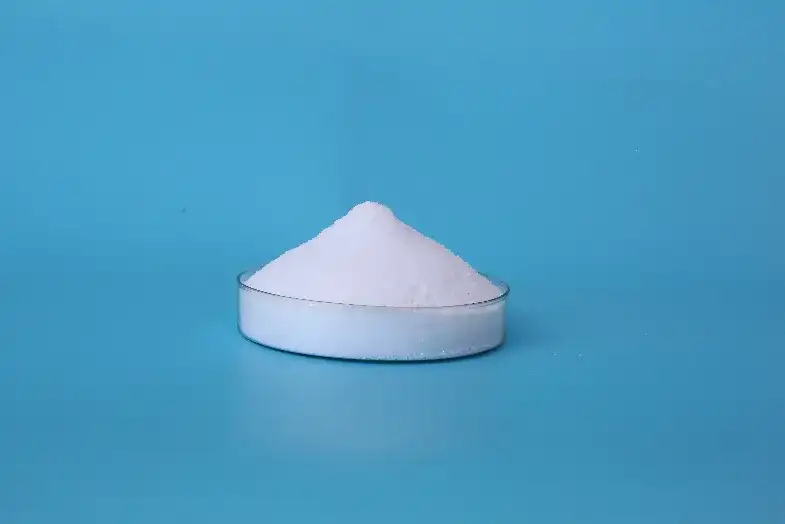
Superabsorbent polymers (SAPs) represent another category where polymerization method directly determines product performance. General Purpose Super Absorbent Polymer (SAP NR860) and Ultra High Absorbency SAP (SAP NR-611) require cross-linking during polymerization to achieve their water retention capabilities. The synthesis involves polymerizing and neutralizing raw materials including Glacial Acrylic Acid, sodium hydroxide, and cross-linking agents. Process optimization ensures fast water absorption, high capacity, and hydrolysis resistance for hygiene products and agricultural applications.
Why Acrylamide Monomer Purity Determines Polymer Quality
The connection between acrylamide monomer purity and final polymer performance runs deeper than many specifications suggest. Impurities trigger side reactions that reduce molecular weight, alter chemical structure, and introduce batch-to-batch inconsistency. Even trace contaminants can function as chain transfer agents, limiting polymer chain growth and producing lower molecular weights than the process parameters would otherwise achieve. These effects cascade into functional properties. Flocculation efficiency drops, viscosity falls outside specification, and solution stability suffers. Prioritizing high-purity acrylamide monomer eliminates these variables and ensures that polymerization conditions, not feedstock quality, determine product characteristics.
Managing Safety Requirements and Environmental Considerations
Safe handling of acrylamide monomer requires attention to established protocols. Acrylamide carries classifications as a neurotoxin and potential carcinogen, which means adequate ventilation, appropriate personal protective equipment, and effective spill containment are operational necessities rather than optional precautions. Comprehensive Safety Data Sheets (SDS) provide specific guidance on storage conditions, handling procedures, and emergency response.
Regulatory frameworks across different jurisdictions establish exposure limits and handling guidelines that industrial operations must meet. Manufacturing processes designed to exceed these standards demonstrate commitment to worker protection and environmental responsibility. Continuous monitoring of regulatory developments ensures that practices remain aligned with evolving requirements.
Sustainable polymerization practices address environmental impact through multiple approaches. Optimizing reaction conditions reduces waste generation. Evaluating greener solvent options and implementing efficient waste management systems within polymerization facilities contribute to reduced ecological footprint. Advanced microbial technology for acrylamide production offers significant environmental advantages compared to traditional chemical synthesis routes, reducing both energy consumption and waste streams while maintaining product quality.
Working with Shandong Nuoer Biological Technology Co., Ltd.
Shandong Nuoer Biological Technology Co., Ltd. brings substantial capacity and technical expertise to acrylamide monomer and polyacrylamide production. With annual production capability of 300,000 tons of high-purity acrylamide and distribution reaching global markets, the company supports industries requiring reliable polymer supply and application-specific technical guidance. Discussions about specific requirements can clarify how particular products might address process challenges or performance targets.
Phone: +86-532-66712876
Email: en*****@***er.com
Where Does Polyacrylamide From Different Polymerization Methods Get Used
Polyacrylamide synthesized through various methods serves water treatment as a flocculant, enhanced oil recovery for improved extraction efficiency, paper manufacturing as a retention and drainage aid, and Super Absorbent Polymer Supplier Wholesale applications in hygiene products and agriculture. The polymerization method determines which properties the polymer exhibits, matching high-molecular-weight flocculants to water treatment needs and cross-linked superabsorbent resins to absorption applications.
What Properties Change Based on Polymerization Method Selection
Polymerization method selection influences molecular weight, viscosity, degree of hydrolysis, and particle size in the final polymer. Emulsion polymerization typically produces high molecular weight polymers with controlled particle size suited to flocculation applications. Solution polymerization offers broader molecular weight ranges applicable across various industrial uses. These property differences translate directly into performance variations in specific applications.
What Safety and Regulatory Requirements Apply to Acrylamide Monomer Processing
Industrial acrylamide monomer handling requires proper ventilation systems, personal protective equipment, and spill containment measures. Regulatory agencies have established exposure limits and handling guidelines based on acrylamide’s toxicological classification. Manufacturers provide safety data sheets covering storage, handling, and emergency procedures. Compliance with these requirements protects workers and ensures responsible operation throughout the supply chain.


 English
 Russian
 Arabic
 Spanish