
Acrylic acid polymerization sits at the heart of modern polymer manufacturing. The chemistry seems straightforward on paper, but anyone who has run these reactions at scale knows the reality involves constant balancing acts between reaction kinetics, heat management, and product consistency. This examination covers the chemical foundations, industrial methods, and practical considerations that determine whether a polymerization run succeeds or fails.
Fundamentals of Acrylic Acid Polymerization Chemistry
Acrylic acid polymerization builds long-chain polymers from individual acrylic acid monomers. The process runs primarily through free radical polymerization because of the monomer’s vinyl group. Free radicals attack the monomer’s double bond during initiation. This generates a new radical that propagates by reacting with successive monomer units. Anionic polymerization exists as an alternative mechanism, though bulk acrylic acid production rarely uses it.
The monomer’s reactivity runs high. This demands careful control to prevent premature or runaway reactions. Initiator systems like peroxides or azo compounds provide controlled initiation. Acrylic acid brings unique challenges. Its high reactivity and tendency toward side reactions can alter polymer structure and properties. These mechanisms shape the polymer’s molecular weight and branching patterns.
Pre-polymerization Monomer Purification and Preparation
Monomer purity makes or breaks acrylic acid polymerization. Impurities shift reaction kinetics and change final polymer properties in ways that show up later in application testing. Common impurities in Glacial Acrylic Acid include water, acetic acid, and aldehydes. These compounds act as chain transfer agents or retarders. The result is lower molecular weights or sluggish reaction rates.
Purification typically involves distillation to strip out volatile impurities. Inhibitor removal requires attention too. Commercial acrylic acid ships with polymerization inhibitors that prevent premature polymerization during storage. These inhibitors need precise control or removal before the reaction starts. Storage conditions matter. Maintaining specific temperatures and limiting oxygen exposure preserves monomer quality. Shandong Nuoer Biological Technology Co., Ltd. supplies high-purity acrylic acid that supports consistent polymer production.
Industrial Scale Acrylic Acid Polymerization Technologies
Industrial acrylic acid polymerization uses several methods. Each suits specific applications and product requirements.
Solution polymerization dissolves the monomer and initiator in a solvent. Temperature control works well with this approach, though solvent recovery adds complexity. Emulsion polymerization disperses monomers in water with surfactant stabilization. This method produces high molecular weight polymers. Suspension polymerization creates polymer beads in an aqueous medium. The bead form makes handling easier. Bulk polymerization runs the monomer with minimal or no solvent. Purity runs high, but heat transfer becomes difficult.
Reactor configurations range from stirred tanks for batch processes to continuous loop reactors for large-scale production. Shandong Nuoer’s polyacrylamide and superabsorbent resin production draws on these advanced technologies.
| Polymerization Method | Advantages | Disadvantages | Typical Applications |
|---|---|---|---|
| Solution Polymerization | Good heat control | Solvent recovery needed | Coatings, adhesives |
| Emulsion Polymerization | High molecular weight | Surfactant residue | Paints, textiles |
| Suspension Polymerization | Easy handling | Broad particle size | Ion exchange resins |
| Bulk Polymerization | High purity | Heat transfer issues | Cast products |
Critical Parameters for Controlling Acrylic Acid Polymerization
Precise parameter control separates good polymerization from problematic runs. Temperature control directly affects reaction rate and polymer molecular weight. Higher temperatures speed reactions but open the door to unwanted side reactions. Pressure management matters in bulk polymerization to maintain monomer phase.
Initiator concentration sets the number of active centers. This influences both reaction rate and molecular weight. Monomer concentration affects conversion rates and polymer chain length. Solvent effects modify reaction kinetics and polymer morphology. Kinetic models help with process optimization. They predict reaction behavior and support consistent product quality.
Post-Polymerization Processing and Polymer Characterization
Several processing steps follow polymerization before the final polymer product emerges. Polymer isolation uses precipitation, filtration, or solvent evaporation. Purification strips out unreacted monomers, oligomers, and residual catalysts. Drying brings moisture content down to target levels. Vacuum or spray dryers handle this step. Granulation creates uniform particles for easier handling and application.
Analytical techniques characterize the resulting acrylic acid polymers. Molecular weight determination through gel permeation chromatography provides critical data. Polydispersity reveals the breadth of molecular weight distribution. Rheology measures flow properties. Thermal properties come from techniques like differential scanning calorimetry. These characterizations confirm the polymer meets end-use application requirements.
Impact of Monomer Purity on Final Polymer Characteristics
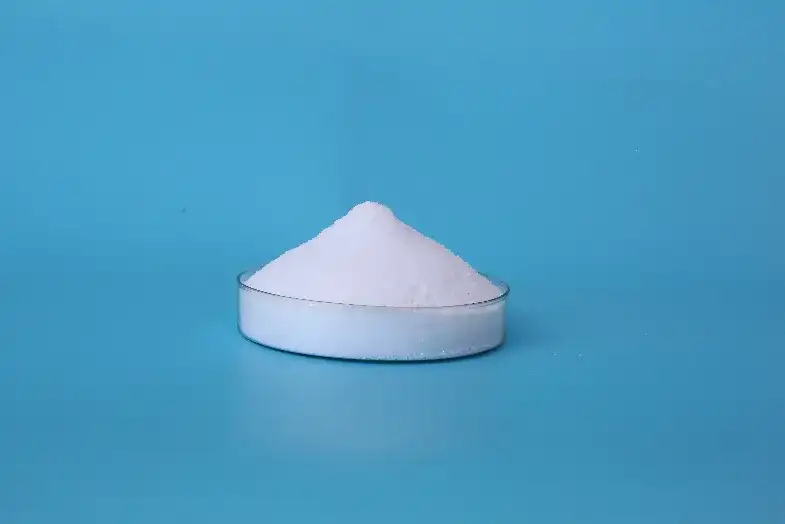
Initial monomer purity shapes final polymer characteristics in measurable ways. Residual impurities or unreacted monomer affect polymer molecular weight and its distribution. Contaminants act as chain transfer agents. They limit chain growth and reduce molecular weight. Impurities may also trigger branching or cross-linking. This changes the polymer’s stability and rheological properties.
Even trace amounts of aldehydes can cause color formation or reduced thermal stability. Shandong Nuoer maintains tight quality control over its Acrylamide Monomer Crystal and Acrylamide Aqueous Solution to prevent these issues. This attention to detail supports consistent performance across applications.
Safety, Environmental Considerations, and Future Outlook
Handling acrylic acid and related chemicals requires strict safety protocols. Acrylic acid is corrosive and flammable. Appropriate personal protective equipment and robust ventilation systems are non-negotiable. Waste management must meet environmental regulations and minimize hazardous discharge.
Shandong Nuoer prioritizes sustainable polymerization practices. This includes waste reduction and energy efficiency. We explore green chemistry principles such as bio-based monomers and more environmentally friendly processes. The future of acrylic acid polymerization points toward enhanced sustainability and efficiency. This direction positions Shandong Nuoer as a forward-thinking presence in the chemical industry.
Safety Measures in Industrial Acrylic Acid Polymerization
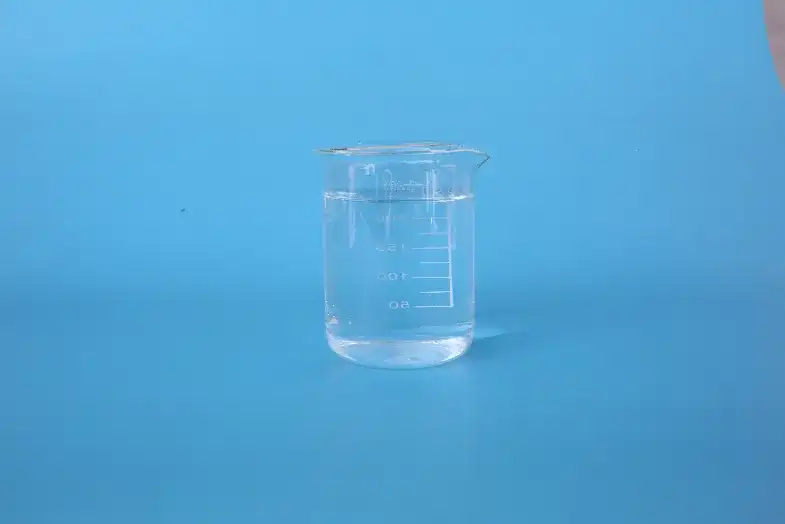
Safety measures in industrial acrylic acid polymerization cannot be treated as optional. PPE requirements include chemical-resistant gloves, safety goggles, and respirators. Ventilation systems prevent hazardous vapor accumulation. Emergency procedures need clear definition and regular practice. These cover spills, fires, and accidental exposure scenarios.
Exothermic reactions demand precise temperature control and cooling systems to prevent runaway conditions. Regular hazard assessments and safety audits identify and address potential risks. These practices protect workers and prevent industrial incidents.
Frequently Asked Questions About Acrylic Acid Polymerization
What are the primary challenges in scaling up acrylic acid polymerization processes?
Scaling up acrylic acid polymerization brings heat transfer and mixing efficiency to the forefront. The exothermic reaction requires reactor designs that dissipate heat effectively and prevent runaway conditions. Uniform mixing across larger volumes proves difficult. This affects reaction consistency and polymer quality. Process control grows more complex. Advanced monitoring systems become necessary to maintain optimal conditions.
How do different initiator systems affect the final properties of acrylic acid polymers?
Initiator systems shape final polymer properties by influencing reaction rate, molecular weight, and polydispersity. Persulfate initiators often produce higher molecular weights. Azo initiators can offer better kinetic control. The initiator choice affects branching, solubility, and thermal stability. This allows tailoring polymers for specific applications.
What quality control measures are crucial for ensuring consistent acrylic acid polymer production?
Quality control starts with rigorous raw material inspection. This means checking Glacial Acrylic Acid purity and inhibitor content. In-process monitoring tracks temperature, pressure, and monomer conversion to maintain consistent reaction conditions. Post-production analysis includes molecular weight determination, rheological analysis, and spectroscopic methods. These verify product specifications and ensure performance reliability.
Partner with Shandong Nuoer for Advanced Polymer Solutions
Shandong Nuoer Biological Technology Co., Ltd. is a global leader in polyacrylamide, superabsorbent resin, and acrylic acid production. We are committed to manufacturing perfect products and building the global leading brand. Our extensive experience and advanced production capabilities ensure unparalleled quality and reliability for your industrial needs. Contact us today at +86-532-66712876 or en*****@***er.com to discuss your specific requirements and explore how our expertise can drive your success.


 English
 Russian
 Arabic
 Spanish