
Sourcing acrylic acid that actually performs in your process—not just on paper—takes more than scanning a spec sheet. I’ve watched procurement teams chase low prices only to lose weeks troubleshooting polymerization failures that traced back to a few parts per million of the wrong impurity. The parameters that matter, the supplier questions worth asking, and the hidden costs of “good enough” quality all connect in ways that aren’t obvious until something goes wrong. This piece walks through what separates reliable acrylic acid supply from the kind that creates problems downstream.
What Makes Acrylic Acid Quality Parameters Actually Matter
The specifications on a certificate of analysis exist for reasons that show up in your reactor, not just in a lab report. Purity, inhibitor levels, and trace impurities each affect different stages of processing and different properties in the final product.
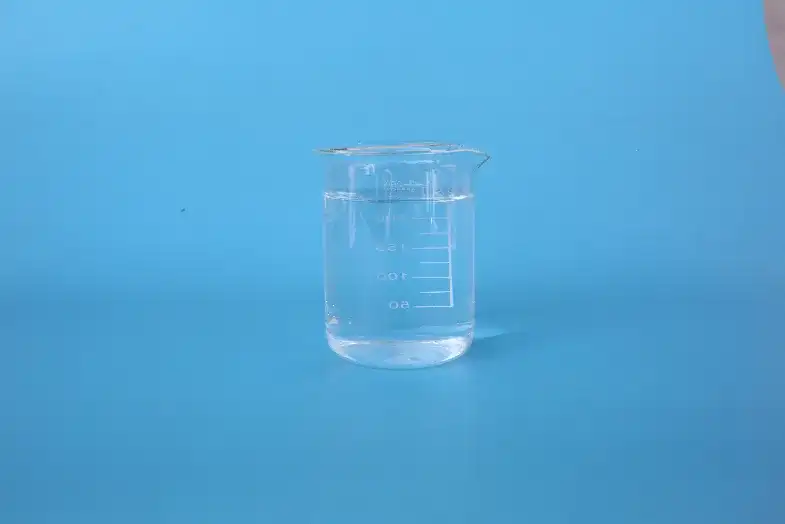
Purity drives reaction predictability. Glacial Acrylic Acid at 99.5% or higher gives you consistent reaction kinetics because there’s less competing chemistry happening in the vessel. Drop below that threshold and you start seeing side reactions—unexpected color development, molecular weight distributions that shift batch to batch, polymers that don’t perform the way they should. In superabsorbent polymer production, where absorption capacity depends on precise cross-linking, even small purity variations translate directly into product that either meets spec or doesn’t.
Inhibitor concentration sits in a narrower window than most people realize. Acrylic acid wants to polymerize. Heat, light, trace metals—any of these can trigger spontaneous polymerization during storage or transport. Hydroquinone monomethyl ether (MEHQ) prevents that, but the amount matters. Too little and you risk a runaway reaction in a storage tank. Too much and your manufacturing process fights against the inhibitor when you actually want polymerization to proceed. The acceptable range typically runs 10-200 ppm, but your specific process may need tighter control within that band.
Trace impurities cause problems that aren’t always immediately obvious. Aldehydes act as chain transfer agents—they interrupt growing polymer chains, which means lower molecular weight and weaker final products. Water interferes with certain polymerization mechanisms and can introduce hydrolysis side reactions. These compounds require gas chromatography or other advanced analytical methods to detect at meaningful levels.
| Specification | Acceptable Range (Industrial Grade) | What Happens Outside Range |
|---|---|---|
| Purity (wt%) | ≥ 99.5% | Reduced reaction efficiency, product defects |
| Water Content (wt%) | ≤ 0.1% | Polymerization inhibition, product instability |
| Inhibitor (MEHQ, ppm) | 10-200 | Premature polymerization or inhibited reaction |
| Aldehydes (ppm) | ≤ 50 | Lower molecular weight, color issues |
| Color (APHA) | ≤ 10 | Discoloration in final products |
Evaluating Suppliers Beyond the Certificate of Analysis
A certificate of analysis tells you what one sample from one batch measured at one point in time. Evaluating whether a supplier can consistently deliver that quality requires looking at their systems, not just their paperwork.
ISO 9001 certification indicates a quality management system exists, but the implementation varies enormously between certified facilities. The certification confirms documented procedures and regular audits—it doesn’t guarantee those procedures actually prevent quality problems. REACH compliance matters for European market access and demonstrates the supplier has invested in regulatory infrastructure, which often correlates with broader quality discipline.
Batch consistency data reveals more than single-batch specs. Request historical data showing variation across multiple production runs. A supplier confident in their process control will share this readily. Wide variation between batches, even if each individual batch meets spec, signals process instability that may eventually produce out-of-spec material.
The analytical methods a supplier uses determine what they can actually detect. Gas chromatography-mass spectrometry (GC-MS) identifies and quantifies trace organic impurities at low concentrations. High-performance liquid chromatography (HPLC) measures inhibitor levels and non-volatile components accurately. Titration determines acid content and overall purity. A supplier relying only on basic titration may miss impurities that affect your process.
On-site audits provide information that documentation cannot. Walking through a facility reveals storage conditions, handling practices, equipment maintenance, and the general discipline of operations. You can observe whether quality control happens at every stage or only at final release. You can ask operators questions and gauge whether quality awareness extends beyond the QC lab.
How suppliers respond to quality deviations tells you what partnership with them will actually look like. Do they investigate root causes or just replace the batch? Do they communicate proactively when they identify potential issues? Do they have corrective action procedures that prevent recurrence? These behaviors matter more than any certification.
For context on industry engagement and quality commitment, 《Nuoer at 25th China International Petroleum & Petrochemical Technology Exhibition》 provides additional perspective.
Building Supply Chain Resilience for Acrylic Acid
Procurement strategy extends well beyond selecting a qualified supplier. Market volatility, regulatory changes, and operational disruptions all threaten supply continuity in ways that quality specifications alone cannot address.
Long-term supplier relationships create flexibility that transactional purchasing cannot match. When allocation becomes tight—and in acrylic acid markets, it periodically does—suppliers prioritize partners who have demonstrated commitment over time. A supplier with 100,000 tons annual production capacity, like Shandong Nuoer Biological Technology Co., Ltd., can offer supply security that smaller producers cannot guarantee during market stress.
Regulatory compliance requirements continue expanding. REACH, GHS labeling requirements, and local environmental regulations all affect how acrylic acid moves through supply chains. Non-compliance creates immediate operational problems—shipments held at borders, production delays, potential legal exposure. Beyond immediate compliance, tracking regulatory trends helps anticipate future requirements before they become urgent.
Supplier diversification protects against single points of failure. Relying entirely on one source, regardless of that supplier’s quality and reliability, creates vulnerability to events outside anyone’s control. Natural disasters, equipment failures, geopolitical disruptions—any of these can interrupt supply from even the most capable producer. Maintaining qualified backup suppliers, even if they handle only a small portion of normal volume, provides options when primary supply fails.
Safety stock decisions involve tradeoffs. Acrylic acid requires careful storage—temperature control, inhibitor maintenance, protection from contamination. Holding excess inventory ties up capital and creates handling risks. Holding too little leaves no buffer when supply disruptions occur. The right balance depends on your consumption rate, supplier lead times, and tolerance for production interruption.
Supply chain transparency increasingly matters for both risk management and customer requirements. Knowing where raw materials originate, how they’re processed, and what quality controls apply at each stage provides assurance that documentation alone cannot. Some end customers now require this visibility as a condition of doing business.
How Purity Affects What You’re Actually Making
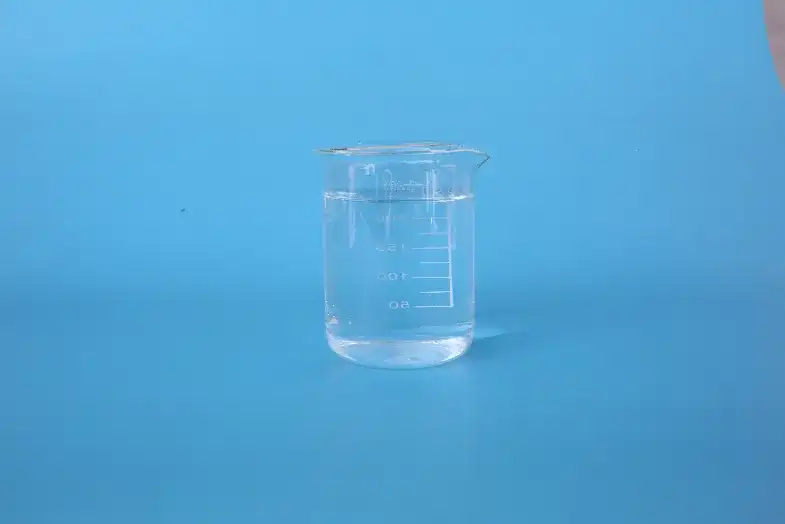
The connection between acrylic acid quality and downstream product performance isn’t abstract—it shows up in measurable ways across different applications.
Superabsorbent polymers demonstrate this relationship clearly. The absorption capacity and retention under pressure that make these materials useful in hygiene products depend on polymer structure. That structure forms during polymerization, and polymerization proceeds differently when impurities interfere. Aldehydes terminate growing chains prematurely, reducing molecular weight. Water shifts reaction equilibria. The result is polymer that absorbs less, retains less under pressure, and fails to meet performance specifications. In products where absorption matters—diapers, adult incontinence products, agricultural water retention—this translates directly to product that doesn’t work as well.
Coatings and adhesives show different sensitivity patterns. Here, polymerization efficiency affects film formation, and impurities can cause inconsistent cross-linking density across a coating surface. The practical results include reduced adhesion strength, compromised flexibility, and accelerated weathering degradation. A coating that fails prematurely costs far more than the raw material savings from cheaper acrylic acid.
Polyacrylamide production for water treatment and oil recovery applications requires high molecular weight polymers for effective flocculation. Chain transfer agents like aldehydes directly reduce achievable molecular weight. The polyacrylamide still forms, but it doesn’t perform—flocculation efficiency drops, treatment costs rise, and process targets become harder to hit.
Color stability matters in applications where appearance affects product acceptance. Impurities that cause yellowing or discoloration may not affect functional performance, but they create quality problems that customers reject. These issues often emerge after storage or heat exposure, making them difficult to catch before products reach the market.
The testing that catches these problems before they affect production requires understanding which parameters matter for your specific application. Generic specifications may not capture the impurities that cause problems in your process.
The Real Cost Calculation for Acrylic Acid Sourcing
Price per ton captures only part of what acrylic acid actually costs your operation. The full picture includes everything that happens after the material arrives.
Rework costs accumulate quickly when batches fail to meet product specifications. Each failed batch consumes labor, equipment time, and often additional raw materials for correction. Some failures cannot be corrected and become waste. The material cost of the acrylic acid itself represents a small fraction of the total loss.
Production downtime for cleaning, recalibration, or troubleshooting interrupts output and delays customer shipments. Equipment that should be making product sits idle while teams investigate why the last batch went wrong. These delays compound when they affect downstream scheduling.
Quality complaints from customers damage relationships that took years to build. Even when complaints result in replacement product rather than lost business, the administrative cost of managing complaints, investigating causes, and implementing corrective actions adds up. Repeated quality issues eventually cost customers entirely.
Waste disposal costs for off-spec material or contaminated batches include both direct disposal fees and the embedded cost of all the materials and processing that went into creating waste instead of product.
Against these costs, premium acrylic acid that consistently meets specifications looks different. Higher per-ton pricing often correlates with lower total cost of ownership when production runs smoothly, waste stays low, and customers receive product that performs as expected.
Supplier selection based on demonstrated quality consistency, technical support capability, and supply reliability creates value that extends beyond the material itself. A supplier producing high-purity acrylamide monomer crystal and acrylamide aqueous solution alongside acrylic acid demonstrates process control discipline that benefits all their products.
The procurement decision that optimizes total cost requires evaluating suppliers on their track record, not just their quoted price.
Partner with Shandong Nuoer Biological Technology Co., Ltd.
Partner with Shandong Nuoer Biological Technology Co., Ltd. for acrylic acid supply backed by 100,000 tons annual production capacity and global distribution infrastructure. Our commitment to manufacturing excellence supports your quality requirements. Contact us to discuss your specific needs. Phone: +86-532-66712876 | Email: en*****@***er.com
Frequently Asked Questions About Acrylic Acid Quality and Sourcing
What industry standards govern acrylic acid purity requirements?
Multiple frameworks apply depending on your market and application. ASTM standards define specific test methods and acceptable ranges for chemical products. REACH compliance is mandatory for European market access and requires extensive safety documentation. ISO 9001 certification indicates quality management systems are in place. Industrial-grade acrylic acid typically requires ≥99.5% purity with controlled limits on inhibitor content, water, aldehydes, and color. Your specific application may require tighter specifications than general industrial grades.
How should I verify supplier quality claims before committing to procurement?
Start with documentation review—certifications, batch analysis reports, third-party testing results—but don’t stop there. Request historical batch consistency data showing variation across multiple production runs. Conduct on-site audits to observe facilities, equipment, and quality control practices directly. Check references from other customers in similar applications. Assess responsiveness to technical questions and willingness to share process information. A supplier confident in their quality will welcome scrutiny rather than deflecting it.
What specific problems does low-purity acrylic acid cause in manufacturing?
The problems depend on which impurities are present and what you’re making. Aldehydes act as chain transfer agents, reducing polymer molecular weight and weakening final products. Excess water can inhibit certain polymerization mechanisms or introduce hydrolysis side reactions. High inhibitor levels fight against your polymerization process, requiring longer reaction times or higher initiator concentrations. Color-forming impurities may not affect function but create appearance problems that customers reject. In superabsorbent polymers, these issues reduce absorption capacity. In coatings, they compromise adhesion and durability. In polyacrylamide, they reduce flocculation effectiveness.


 English
 Russian
 Arabic
 Spanish