
Selecting the optimal anionic polyacrylamide for industrial processes presents a significant challenge. We recognize that the choice directly influences operational efficiency and cost-effectiveness. A thorough understanding of different brands and their performance characteristics is crucial. This guide provides a comparative framework, enabling informed decisions for various applications.
Navigating the Complexities of Anionic Polyacrylamide Selection
Choosing the correct anionic polyacrylamide (PAM) is critical for effective industrial flocculation and water treatment. The market offers a diverse range of industrial flocculants, each with specific polymer performance attributes. Our experience shows that selecting the most suitable product requires a detailed understanding of both the application and the polymer’s technical specifications. Incorrect selection leads to suboptimal performance, increased operational costs, and potential environmental concerns. We emphasize that proper anionic polyacrylamide selection directly impacts process efficiency and overall economic viability.
Critical Performance Metrics for Anionic Polyacrylamide Evaluation
Evaluating anionic polyacrylamide brands necessitates a focus on specific performance metrics. These parameters provide a comprehensive understanding of how different products function under various conditions. We assess flocculation rate, settling velocity, residual turbidity, and sludge dewatering efficiency. The molecular weight polyacrylamide also plays a significant role in determining a product’s effectiveness.
Key Performance Indicators for Flocculation and Coagulation
When testing anionic polyacrylamide, we prioritize key performance indicators (KPIs) related to its primary functions. Flocculant efficiency is measured by the speed and completeness of particle aggregation. Coagulation performance is evaluated by observing the formation of larger, more stable flocs. We also consider the impact on zeta potential, which indicates particle charge neutralization and subsequent agglomeration. These indicators reveal how effectively different brands clarify process water or wastewater.
Assessing Sludge Dewatering and Solid-Liquid Separation Efficiency
A critical application for anionic polyacrylamide is sludge dewatering and solid-liquid separation. We evaluate sludge dewatering agents based on several metrics. Filtration resistance measures how easily water separates from the solid phase. Cake dryness, the percentage of solids in the dewatered sludge, indicates dewatering effectiveness. Brands demonstrating superior cake dryness and reduced filtration resistance offer significant operational advantages.
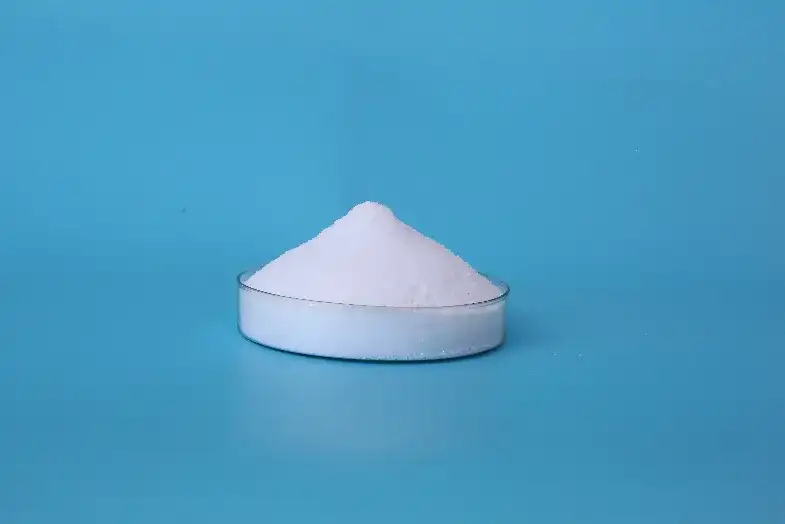
Comparative Analysis of Leading Anionic Polyacrylamide Brands
A structured approach is essential for comparing leading anionic polyacrylamide brands. We analyze various polyacrylamide suppliers based on their product specifications and performance data. This brand performance comparison highlights differentiating factors and application suitability across diverse industrial settings. Our aim is to provide a clear framework for evaluating water treatment polymers and oilfield chemicals.
Application Specific Performance Across Diverse Industries
Different anionic polyacrylamide brands exhibit varying performance characteristics across industrial applications. For instance, in mining beneficiation, a product’s ability to handle high solids content is paramount. In the paper industry, flocculants must achieve efficient fiber retention and water clarification. Wastewater treatment polymers require robust performance across a range of pH and contaminant loads. Our testing provides practical examples and data on brand performance in these sectors.
For further insights into our industry presence, consider reading 《Nuoer at 32nd China International Paper Technology Exhibition 2025》.
Standardized Testing Protocols and Quality Assurance
Reliable brand comparison depends on rigorous, standardized testing protocols. We adhere to established polymer testing standards to ensure consistent and accurate results. This commitment to polyacrylamide quality control provides confidence in our evaluations. Furthermore, regulatory compliance chemicals and adherence to ISO polyacrylamide standards are integral to our quality assurance processes.
Navigating Regulatory Standards for Anionic Polyacrylamide Use
Understanding the regulatory landscape is crucial for selecting and applying anionic polyacrylamide. Environmental regulations polymers dictate acceptable levels of residual monomers and overall product safety. We ensure that all products we evaluate meet stringent chemical safety standards. Product certification, such as ISO standards, provides an additional layer of assurance regarding quality and environmental responsibility.
Cost Benefit Analysis and Lifecycle Value of Anionic Polyacrylamide
Evaluating anionic polyacrylamide brands extends beyond initial purchase price; it includes a comprehensive cost benefit analysis. We focus on the total cost of ownership and lifecycle assessment polymers. Brands offering higher efficiency often lead to reduced chemical dosage optimization, which lowers operational expenditure reduction. This approach reveals the true economic value and return on investment for different polyacrylamide brands.
Future Trends and Innovations in Anionic Polyacrylamide Technology
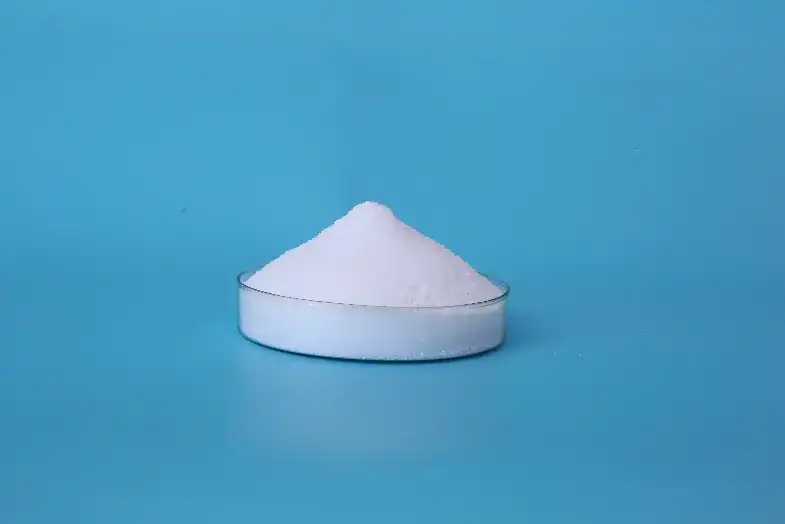
The polyacrylamide market continues to evolve with new future trends and innovations. We observe a growing emphasis on sustainable flocculants and biodegradable polymers. Advanced polyacrylamide formulations are emerging, offering enhanced performance and reduced environmental impact. The development of smart chemical solutions promises greater efficiency and control in various applications. These innovations will shape future selection criteria for anionic polyacrylamide.
Partner with Shandong Nuoer for Superior Polyacrylamide Solutions
Leverage Shandong Nuoer Biological Technology Co.’s decade-plus expertise and state-of-the-art production capabilities. With an annual capacity of 500,000 tons of polyacrylamide and a global sales network spanning over 60 countries, we deliver meticulously engineered products designed for your success. Contact us today to discuss your specific needs and achieve optimal performance with our industry-leading anionic polyacrylamide solutions. Phone: +86-532-66712876 | Email: en*****@***er.com
Frequently Asked Questions About Anionic Polyacrylamide Testing
What makes one anionic polyacrylamide brand superior to another for industrial applications?
Superiority often stems from a combination of molecular weight, charge density, purity, and consistency. Rigorous testing of different anionic polyacrylamide brands reveals variations in flocculation efficiency, settling rates, and sludge dewatering performance, all critical for specific industrial applications like water treatment or mining beneficiation. Shandong Nuoer Biological Technology Co. focuses on optimizing these parameters for peak performance.
How can I accurately compare the long-term cost-effectiveness of various anionic polyacrylamide brands?
Accurate comparison involves not just the purchase price but also dosage rates, handling costs, and the impact on downstream processes. Brands that offer higher efficiency may allow for lower dosage, reducing overall operational expenditure. Conducting pilot tests and lifecycle cost analysis for different anionic polyacrylamide brands is essential to determine true value, a service Shandong Nuoer Biological Technology Co. can assist with.
Are there specific environmental considerations when selecting and testing anionic polyacrylamide brands?
Yes, environmental impact is a crucial consideration. Factors include biodegradability, potential for residual monomers, and compliance with local and international discharge regulations. When testing different anionic polyacrylamide brands, it’s important to assess their environmental profiles alongside performance. Shandong Nuoer Biological Technology Co. is committed to developing and supplying Polyacrylamide Supplier OEM products that meet stringent environmental standards.


 English
 Russian
 Arabic
 Spanish