
Cationic polyacrylamide shows up everywhere in industrial operations—wastewater treatment, mining, papermaking—and getting the pricing right matters more than most procurement teams realize. The market moves in ways that aren’t always obvious, and the gap between a good deal and a costly mistake often comes down to understanding what actually drives those numbers.
Understanding Cationic Polyacrylamide Grades and Specifications
Cationic polyacrylamide (PAM) is a water-soluble linear organic polymer. It is synthesized by copolymerizing cationic monomers with acrylamide. Its effectiveness as a flocculant in industrial solid-liquid separation processes, such as sedimentation, clarification, thickening, and sludge dewatering, is well-established. Different grades of cationic polyacrylamide are characterized by varying molecular weights and charge densities, which directly impact their performance and cost.
Cationic Polyacrylamide Grade Comparison
| Characteristic | Low Molecular Weight | Medium Molecular Weight | High Molecular Weight |
|---|---|---|---|
| Flocculation Speed | Moderate | Fast | Very Fast |
| Sedimentation Rate | Good | Excellent | Superior |
| Sludge Dewatering | Moderate | Good | Excellent |
| Dosage Requirements | Higher | Moderate | Lower |
| Cost-in-Use | Variable | Optimized | Optimized |
How Molecular Weight Shapes Your Flocculant Costs
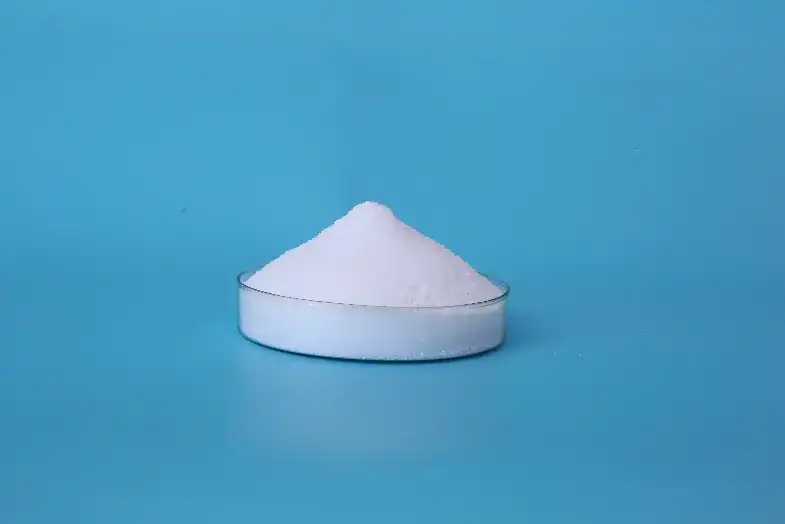
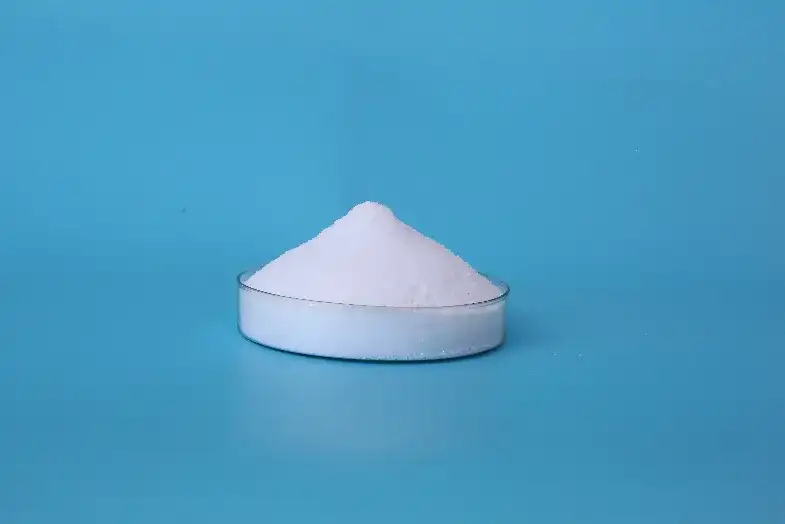
Molecular weight changes everything about flocculation efficiency. Higher molecular weight polymers build larger, stronger flocs. Sedimentation speeds up. Dewatering improves. What this means in practice is that you often need less product to get the same result. The per-kilogram price might look higher on paper, but operational costs tend to drop when you’re using less material per batch. Our Cationic Polyacrylamide Flocculant offers high flocculation and clarification efficiency.
Charge Density and What It Means for Wastewater Treatment Polymer Pricing
Charge density determines how well the polymer interacts with negatively charged suspended solids. Get this parameter right, and you achieve efficient neutralization and bridging at minimal dosage. Get it wrong, and consumption climbs. Operational expenses follow. The relationship between charge density and pricing reflects this reality. Selecting the wrong specification for your application doesn’t just affect performance—it hits your budget month after month.
What Actually Drives Cationic Polyacrylamide Prices
Raw material costs sit at the foundation of pricing. Key inputs like Acrylamide Monomer Crystal and Glacial Acrylic Acid fluctuate with commodity markets. Production factors add another layer. Energy consumption varies by facility. Labor costs differ by region. Then logistics enter the picture. Supply chain efficiency, shipping routes, and market demand trends all push industrial polymer pricing in different directions at different times.
Domestic Versus International Suppliers
Procurement teams face a real choice here. Domestic chemical manufacturers typically offer shorter lead times. Shipping costs stay lower. But international suppliers with established global networks can compete on price through economies of scale and access to diverse raw material sources. Shandong Nuoer Biological Technology Co., Ltd. operates across more than 60 countries, which creates options that purely local suppliers cannot match. Quality assurance standards and after-sales support vary considerably between suppliers. These differences affect long-term value in ways that initial quotes don’t capture.
Managing Bulk Sourcing and Logistics
Bulk cationic polyacrylamide sourcing brings complexity. Shipping, customs clearance, warehousing—each step requires attention. International shipping introduces import/export costs and currency exchange risks that can shift unexpectedly. Companies with established global sales networks handle these processes routinely, which reduces friction for buyers who would otherwise need to coordinate multiple logistics partners.
If you are interested in how our company contributes to community development and technological advancements, you might find this article insightful: 《Nuoer Wins Two Provincial Honors》.
Real Cost-Effectiveness Goes Beyond Unit Price
The per-kilogram price tells you something, but not everything. Total Cost of Ownership includes dosage optimization, performance efficiency, and the stability of supplier relationships over time. A polymer that costs more per unit but performs better can reduce overall operational expenses significantly. Lower consumption rates and improved process outcomes add up. Better dewatering means reduced sludge volume. These downstream effects often outweigh the initial price difference.
Partner with Shandong Nuoer for Superior Cationic Polyacrylamide Solutions
At Shandong Nuoer Biological Technology Co., Ltd., we are dedicated to manufacturing perfect products and building the global leading brand in polyacrylamide. With an annual production capacity of 500,000 tons of polyacrylamide and a global sales network spanning over 60 countries, we offer unparalleled expertise, reliable supply, and tailored solutions for your industrial needs. Contact us today to discuss your specific requirements and discover how our high-quality cationic polyacrylamide products can optimize your processes and achieve significant cost efficiencies. Let’s create a brighter future together. Phone: +86-532-66712876 | Email: en*****@***er.com
Frequently Asked Questions About Cationic Polyacrylamide Pricing
What factors influence the price of cationic polyacrylamide?
The price of Cationic Polyacrylamide Flocculant is primarily influenced by raw material costs, production scale, and logistical expenses. Market demand and specific grade specifications, such as molecular weight and charge density, also play significant roles in determining the final price.
How do different grades of cationic polyacrylamide affect cost-effectiveness?
Different grades impact cost-effectiveness through varying molecular weight and charge density. These properties determine dosage rates and performance efficiency. Optimizing grade selection for specific applications can lead to lower total cost of ownership by reducing consumption and improving process outcomes.
Where can I find reliable suppliers for bulk cationic polyacrylamide?
Reliable suppliers for bulk cationic polyacrylamide can be found through reputable manufacturers with established global sales networks and quality certifications. Companies like Shandong Nuoer Biological Technology Co., Ltd. offer consistent quality, comprehensive after-sales service, and stable supply chains.
Is there a significant price difference between flocculant cost analysis for domestic vs. imported polymers?
Yes, flocculant cost analysis often reveals significant price differences between domestic and imported polymers. This is due to factors such as import duties, shipping costs, and currency exchange rates. Local production advantages and supply chain reliability also contribute to these variations.







 English
 Russian
 Arabic
 Spanish