
Municipal wastewater treatment plants constantly wrestle with tighter discharge limits and budget pressures. Cationic polyacrylamide has become a go-to solution for many operators because it genuinely improves solid-liquid separation at multiple treatment stages. The results show up where it counts: clearer effluent leaving the plant and sludge that’s cheaper to handle and dispose of. Shandong Nuoer Biological Technology Co. develops cationic polyacrylamide formulations specifically for the range of conditions municipal facilities encounter.
How Cationic Polyacrylamide Works in Municipal Treatment
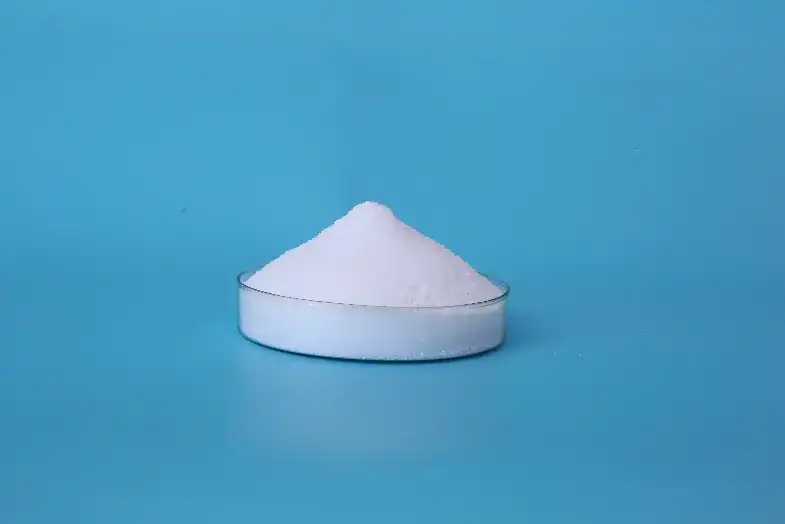
Cationic polyacrylamide is a water-soluble linear organic polymer. We synthesize it by copolymerizing cationic monomers with acrylamide. In municipal wastewater treatment, it functions as a flocculant. The polymer carries positive charges that neutralize the negative charges on suspended solids and colloidal particles floating in the wastewater. Once those charges balance out, flocculation kicks in. Particles clump together into larger, heavier flocs that drop out of suspension much faster. This mechanism makes sedimentation, clarification, and thickening processes work better across the board. The specific wastewater characteristics at each plant—pH levels, turbidity readings, suspended solids concentration—determine which cationic polymer chemistry performs best. Our products handle varying water qualities and process conditions without losing effectiveness.
What Municipal Plants Gain from Cationic Polyacrylamide
Cationic polyacrylamide brings real operational advantages to municipal wastewater treatment facilities. Water clarity improves enough that effluent consistently meets or beats regulatory discharge limits. Sludge dewatering gets noticeably better, which shrinks sludge volume and cuts disposal costs. The dosage requirements for our cationic polyacrylamide formulations run low enough to save 10%-15% compared to similar products under the same conditions. That adds up to meaningful cost savings over a year of operation.
Getting the Most from Your Flocculant
Getting peak performance from cationic polyacrylamide flocculant requires attention to the details. The right grade depends on what’s coming into your plant—pH, turbidity, and solids concentration all matter. Jar testing remains the most reliable way to identify the best combination of polymer charge density and molecular weight for your specific situation. Dialing in the exact dosage keeps chemical costs down while maintaining treatment quality. Our technical team works with plant operators to match products to their particular needs. Even when influent quality swings around, the right product selection keeps you in compliance with water quality standards.
| Parameter | Low Turbidity Water | High Turbidity Water | Sludge Dewatering |
|---|---|---|---|
| Charge Density | Low | Medium to High | High |
| Molecular Weight | High | High | Ultra-High |
| Dosage | Lower | Moderate | Higher |
| Floc Size | Large, Loose | Dense, Compact | Large, Strong |
| Settling Rate | Fast | Very Fast | Excellent |
Better Sludge Dewatering Results
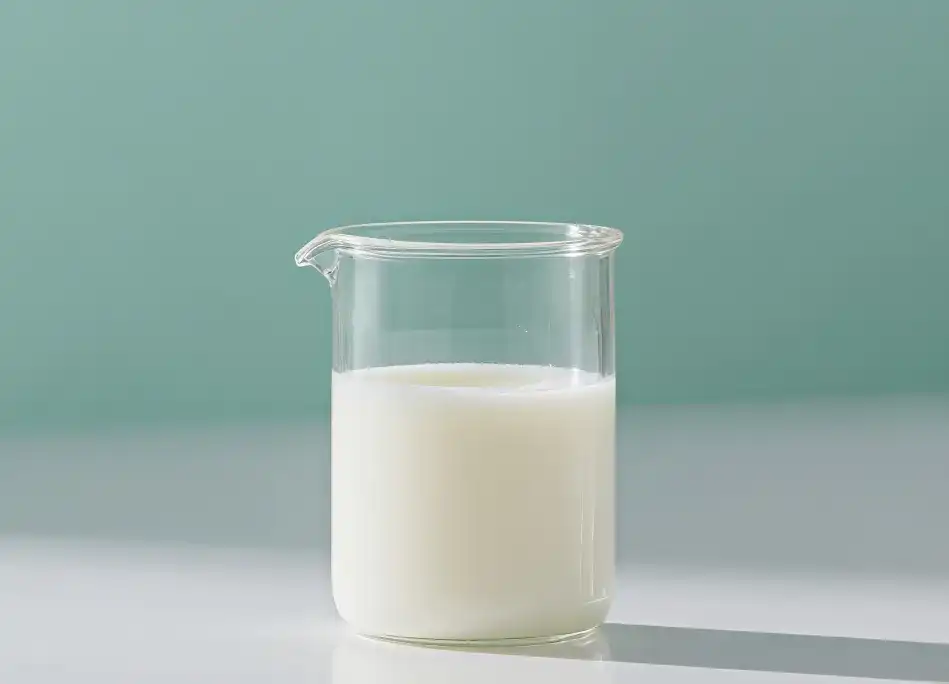
Cationic polyacrylamide makes a measurable difference in sludge dewatering, which is often where municipal plants feel the most budget pressure. The polymer neutralizes negative charges on sludge particles, pushing them to aggregate into solid flocs that hold together. These larger, more stable flocs let go of water more easily when they hit the belt filter press or centrifuge. The practical outcome is less sludge volume to deal with. Our formulations work particularly well with common dewatering equipment, producing sludge cakes with higher solids content. Plants see the benefit directly in their transportation and disposal invoices.
Cutting Sludge Volume and Disposal Expenses
Using cationic polyacrylamide has a direct line to lower disposal costs. When dewatered sludge comes out with higher solids content, there’s simply less material that needs to leave the plant. Fewer truckloads mean lower transportation bills and reduced landfill fees. Our products support more sustainable municipal waste management by making this step of the process more efficient.
Meeting Environmental Standards While Controlling Costs
Applying polyacrylamide correctly keeps municipal plants on the right side of discharge regulations while maintaining operational efficiency. Our products help facilities hit strict effluent quality targets consistently. The high efficiency and low dosage requirements of our polyacrylamides mean less chemical consumption overall, which supports sustainable treatment practices. We focus on solutions that keep plants running smoothly, avoid operational headaches, and contribute to long-term environmental responsibility.
Finding the Right Cationic Polyacrylamide Supplier
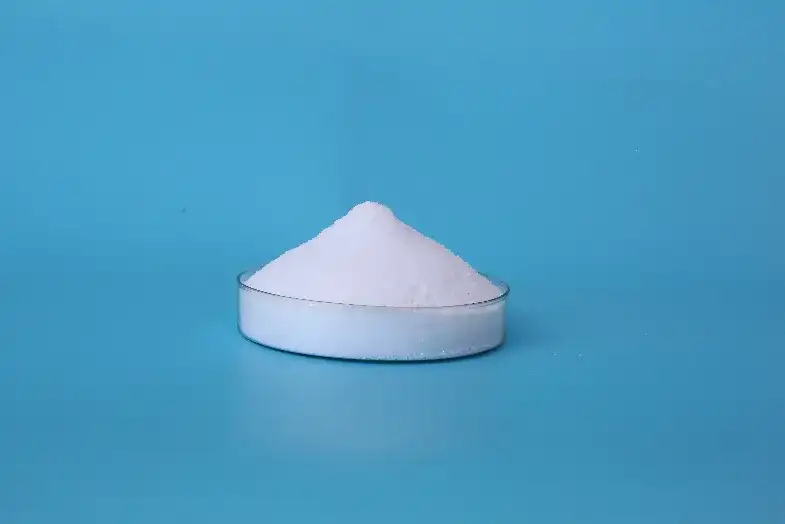
The supplier you choose for cationic polyacrylamide affects more than just product quality. Shandong Nuoer Biological Technology Co. produces our own cationic monomers, which gives us control over supply stability and keeps costs competitive. We customize production when customers have specific requirements. Our global sales network and after-sales service system mean technical support is available when you need it, from initial product selection through ongoing optimization. We aim to be the kind of partner that delivers consistent product performance and practical solutions.
| Criteria | Shandong Nuoer Biological Technology Co. | Competitor A | Competitor B |
|---|---|---|---|
| Product Quality | High (Self-produced monomers) | Medium | Medium |
| Technical Support | Comprehensive | Basic | Limited |
| Customization | Yes | Limited | No |
| Supply Reliability | High | Medium | Medium |
| Global Presence | Extensive | Moderate | Local |
Work with Shandong Nuoer Biological Technology Co.
Shandong Nuoer Biological Technology Co. has built a global reputation in polyacrylamide development, with a full range of cationic polyacrylamide solutions designed for municipal treatment plants around the world. Working with us means better water quality, lower operating costs, and reliable environmental compliance. Reach out to our specialists for a consultation tailored to your plant’s situation and see how our products can improve your wastewater treatment results.
Email: en*****@***er.com
Phone: +86-532-66712876
Frequently Asked Questions
What factors should be considered when selecting a cationic polyacrylamide for a municipal plant?
Selecting the right cationic polyacrylamide involves assessing municipal wastewater characteristics (pH, turbidity, suspended solids), desired treatment outcomes (clarification, dewatering), polymer charge density, molecular weight, and the specific equipment used. Shandong Nuoer Biological Technology Co. provides expert guidance to match the optimal product to your plant’s unique needs.
How does cationic polyacrylamide improve sludge dewatering efficiency?
Cationic polyacrylamide enhances sludge dewatering by neutralizing the negative charges on suspended solids, causing them to aggregate into larger, more stable flocs. This improved floc structure allows for more efficient water release during mechanical dewatering processes like belt filter presses or centrifuges, significantly reducing sludge volume and disposal costs.
What are the common challenges in municipal wastewater treatment that cationic polyacrylamide addresses?
Cationic polyacrylamide effectively addresses challenges such as poor sedimentation, high suspended solids, inefficient sludge dewatering, and difficulty in meeting stringent discharge limits. Its application leads to clearer effluent, reduced sludge volume, and overall more cost-effective and compliant municipal wastewater treatment operations.





 English
 Russian
 Arabic
 Spanish