
When you work with flocculation across different industrial settings, pH swings become one of those variables that can quietly undermine an otherwise solid process. Non-ionic polyacrylamide has earned its place in my toolkit precisely because it sidesteps the charge-dependent limitations that trip up other polymers. The chemistry here is straightforward but consequential: without ionizable groups along the chain, this polymer holds its bridging capacity whether the system runs acidic, neutral, or alkaline. That consistency matters when you’re dealing with mining effluents one week and paper mill discharge the next.
How Non-Ionic Polyacrylamide Actually Works at the Molecular Level
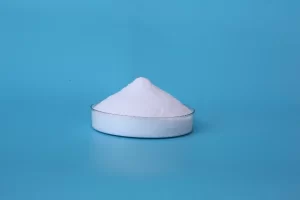
Non-ionic polyacrylamide is built as a homopolymer of acrylamide, forming a linear structure with minimal ionization. The absence of significant charged groups along the polymer chain distinguishes it fundamentally from anionic or cationic alternatives. This structural characteristic drives a specific flocculation mechanism. When the polymer enters a suspension, it adsorbs onto particle surfaces through hydrogen bonding and van der Waals forces rather than electrostatic attraction. These adsorbed chains then extend outward and bridge multiple particles together, creating larger aggregates that settle or filter more readily. The high molecular weight of Nonionic Polyacrylamide Powder amplifies this bridging effect, pulling more particles into each floc structure. Because the polymer carries no net charge, pH shifts and dissolved salts have minimal impact on its conformation or adsorption behavior. Charged flocculants lose effectiveness when solution chemistry disrupts their electrostatic interactions, but non-ionic polyacrylamide maintains its bridging function across conditions that would compromise ionic alternatives.
Why pH Fluctuations Create Problems for Conventional Flocculants
Industrial processes rarely maintain steady pH conditions. Chemical additions, biological activity, and incoming waste variability all contribute to pH swings that can destabilize flocculation performance. Anionic polyacrylamide depends on electrostatic interactions between its negatively charged carboxyl groups and positively charged particle surfaces. When pH drops too low, those carboxyl groups protonate and lose their charge. When pH rises too high, competing hydroxide ions can interfere with particle-polymer interactions. Either scenario reduces flocculation efficiency, leading to poor settling, increased chemical consumption, and potential discharge violations. Non-ionic polyacrylamide avoids these failure modes entirely. Its hydrogen bonding mechanism operates independently of solution pH, delivering consistent aggregation whether the system runs at pH 3 or pH 11. This reliability translates directly into operational stability and predictable treatment outcomes.
What makes non-ionic polyacrylamide effective across diverse pH levels?
The molecular design explains everything. Ionic polymers carry functional groups that gain or lose protons as pH changes, altering their charge density and their ability to interact with suspended particles. Non-ionic polyacrylamide lacks these ionizable groups entirely. Its interactions with particle surfaces depend on hydrogen bonding and van der Waals forces, neither of which responds significantly to pH variation. The polymer maintains its extended chain conformation and its bridging capacity regardless of whether the solution is acidic, neutral, or alkaline. This pH independent flocculation makes non-ionic polyacrylamide the practical choice when process conditions fluctuate or when treating mixed waste streams with unpredictable chemistry.
Industrial Applications Where pH Stability Delivers Real Value
Non-ionic polyacrylamide finds its strongest applications in sectors where pH variability is inherent to the process rather than an occasional upset condition. Mining operations exemplify this challenge. Mineral processing generates effluents that can swing from strongly acidic to moderately alkaline depending on ore chemistry and reagent use. Tailings ponds receive water with constantly shifting composition. Non-ionic polyacrylamide handles these variations without requiring continuous dosage adjustments or supplemental pH correction. Paper manufacturing presents similar challenges. Chemical pulping processes generate effluents across a wide pH spectrum, and the treatment system must accommodate this variability without performance degradation. Municipal wastewater plants face incoming streams from diverse sources, each contributing different pH characteristics. In all these applications, non-ionic polyacrylamide provides the operational consistency that charged alternatives cannot match.
In which specific industrial applications is non-ionic polyacrylamide with a wide pH range most beneficial?
The greatest benefits appear in applications where pH control would be impractical or prohibitively expensive. Mining wastewater treatment stands out because mineral leaching and processing chemicals create inherently variable pH conditions. Pulp and paper effluent treatment benefits similarly, given the range of pH values generated by different pulping methods. Municipal wastewater facilities handling diverse industrial contributions also gain significant operational advantages. In each case, non-ionic polyacrylamide eliminates the need for pH adjustment ahead of flocculation, reducing both chemical costs and process complexity while maintaining reliable solid-liquid separation.
| Industry Sector | Primary Application | Key Benefit |
|---|---|---|
| Mining | Tailings Dewatering | Stable flocculation in variable pH mine water |
| Paper Manufacturing | Fiber Retention | Improved drainage and process efficiency |
| Wastewater Treatment | Sludge Thickening | Enhanced dewatering, reduced disposal volume |
| Oil & Gas | Produced Water Treatment | Effective oil-water separation |
| Chemical Processing | Solid-Liquid Separation | Consistent performance in diverse chemical streams |
Getting the Dosage and Mixing Right
Performance optimization starts with proper dosage determination. Underdosing leaves particles unflocculated, while overdosing can actually restabilize the suspension by coating particles so completely that bridging becomes impossible. Jar testing remains the most reliable method for identifying the optimal dosage for specific waste characteristics. The polymer solution itself requires careful preparation. Concentrations between 0.1% and 0.5% work well for most applications, though the exact target depends on the specific product grade and the application requirements. Rapid initial dispersion into the wastewater stream ensures uniform polymer distribution before floc formation begins. Gentle agitation follows, allowing the bridged particles to grow into larger, denser aggregates without shearing them apart. System integration involves matching injection points, mixing intensity, and retention times to the specific treatment train configuration. These details determine whether the polymer delivers its full potential or falls short of expectations.
《Nuoer Showcased at 26th China IE Expo》
Shandong Nuoer’s Manufacturing Capabilities
Shandong Nuoer Biological Technology Co., Ltd. operates as an integrated high-tech enterprise covering research, production, marketing, and technical service for advanced polymer solutions. The company functions as a leading Polyacrylamide Supplier OEM, with particular strength in non-ionic polyacrylamide products. Annual production capacity reaches 500,000 tons of polyacrylamide, supported by manufacturing facilities designed for consistent quality at scale. This capacity ensures reliable supply of high-purity, high-molecular-weight non-ionic polyacrylamide for demanding industrial applications. Products reach customers through a global distribution network spanning over 60 countries and regions. Advanced microbial technology supports the production of Acrylamide Monomer Crystal and Acrylamide Aqueous Solution, achieving ultra-low impurity levels that translate into superior polymerization performance in finished products. This manufacturing approach ensures that non-ionic polyacrylamide from Shandong Nuoer delivers reliable flocculation even under challenging acidic conditions.
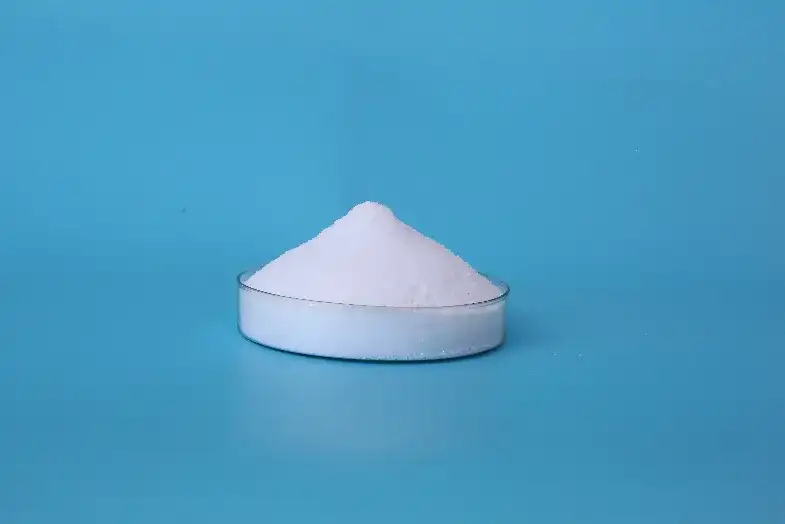
!Polyacrylamide granules
 ## Where Flocculant Technology Is Heading
The polymer chemical industry continues evolving toward more sustainable and efficient solutions. Green chemistry principles increasingly guide product development, with emphasis on reduced environmental impact and improved biodegradability. Research efforts focus on advanced acrylamide derivatives that deliver enhanced performance while minimizing ecological concerns. Shandong Nuoer participates actively in these developments, exploring novel synthesis routes and alternative raw materials that align with sustainability goals. The objective is developing products that satisfy both stringent performance requirements and environmental compliance standards. This direction reflects broader industry recognition that operational excellence and environmental stewardship must advance together rather than compete.
《Nuoer at 32nd China International Paper Technology Exhibition 2025》
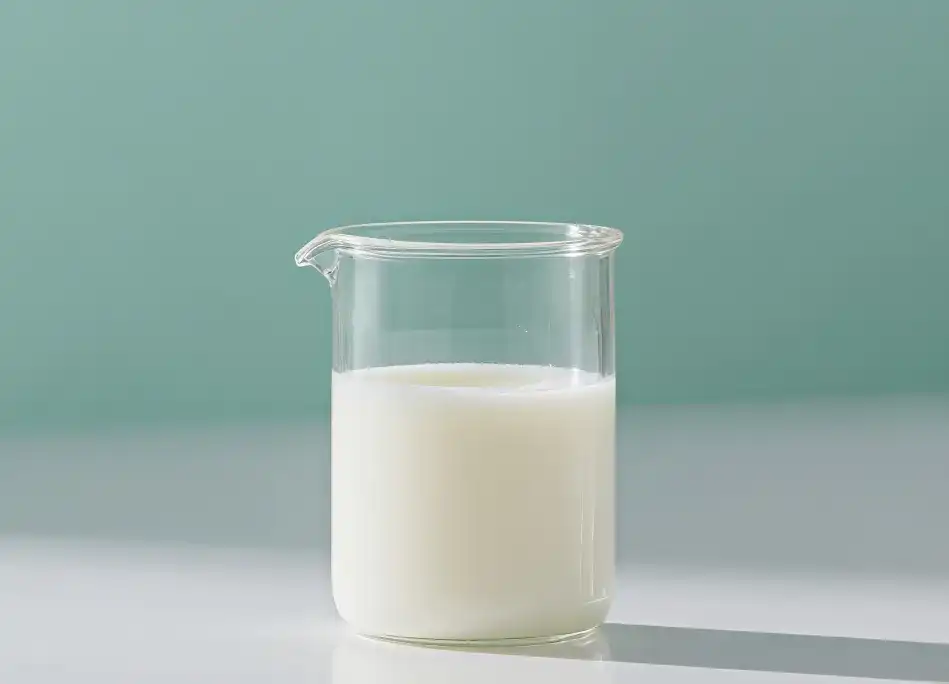
!Emulsion-Type Polyacrylamide
 ## Partner with Shandong Nuoer for Superior Flocculation Solutions
Discover how Shandong Nuoer’s high-performance non-ionic polyacrylamide can revolutionize your industrial processes, ensuring optimal solid-liquid separation and environmental compliance across all pH conditions. Contact our expert team today for a personalized consultation or to explore our innovative solutions.
Email: en*****@***er.com
Phone: +86-532-66712876
Frequently Asked Questions About Non-Ionic Polyacrylamide
What are the primary advantages of using non-ionic polyacrylamide over anionic or cationic types?
Non-ionic polyacrylamide performs more reliably in systems with variable pH or elevated salt concentrations. Charged polymers lose effectiveness when solution chemistry interferes with their electrostatic interactions, but non-ionic variants maintain their bridging function regardless of these conditions. This stability proves particularly valuable in industrial water treatment and mining applications where process conditions fluctuate regularly.
How does the molecular structure of non-ionic polyacrylamide contribute to its pH stability?
The polymer chain lacks ionizable functional groups that would change their charge state as pH shifts. Anionic and cationic polymers carry groups that protonate or deprotonate depending on solution acidity, altering their charge density and their interaction with suspended particles. Non-ionic polyacrylamide avoids this entirely, maintaining consistent structure and flocculating capacity whether the solution runs acidic, neutral, or alkaline.
Can non-ionic polyacrylamide be used for both wastewater treatment and sludge dewatering?
Both applications benefit from non-ionic polyacrylamide’s pH tolerance. In wastewater clarification, the polymer aggregates suspended solids for settling or filtration regardless of influent pH variations. In sludge dewatering, it promotes formation of larger, denser flocs that release water more readily under mechanical pressure. This dual functionality reduces the need for multiple specialty products and simplifies chemical inventory management.


 English
 Russian
 Arabic
 Spanish