
Acrylamide monomer price at industrial scale is a delivered cost problem, not a search for the lowest published number. Two suppliers can quote the same 98% purity grade and still land far apart once package type, freight lane, payment terms, and annual volume are added. In my fifteen years managing acrylamide and polyacrylamide production, I have watched buyers treat the invoice price as the whole decision and pay for it later in polymerization consistency or delivery risk. The useful comparison is the landed cost per dry tonne against the polymer specification the buyer actually needs.
What Determines Acrylamide Monomer Price at Industrial Scale?
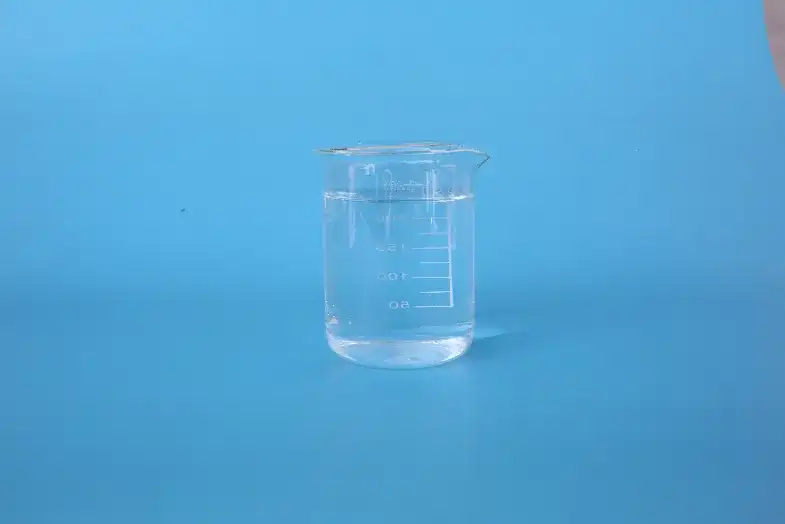
Purity is the first price driver because it sets the ceiling on downstream polymerization consistency. For industrial scale polyacrylamide production, an acrylamide monomer with 98.0% minimum purity and tightly controlled moisture, conductivity, and iron is usually the working baseline. The same nominal purity can still vary in inhibitor content, which affects storage life and initiation behavior. A grade with lower residual metals and tighter moisture control costs more to produce and is priced accordingly.
| Specification factor | Why it moves price | What to check at scale |
|---|---|---|
| Purity | Higher monomer content leaves less inert material in the polymer chain | 98.0% minimum or application specific tighter grade |
| Moisture | Water adds freight and lowers usable monomer per tonne | 0.8% maximum for crystal |
| Inhibitor | Sets the storage window and the start of polymerization | 3 to 10 ×10⁻⁶ for crystal |
| Conductivity and iron | Trace metals can interfere with polymer performance | 20 μS/cm and 1 ×10⁻⁶ maximum for crystal |
These parameters affect more than unit price. A buyer that relaxes moisture to save a small amount per tonne may receive more water and less monomer in every shipment, which changes the real cost per dry tonne.
How Do Purchase Volume and Contract Terms Change Acrylamide Monomer Price?
Annual volume is the strongest negotiating lever after specification. A plant that commits to a forecast across four quarters gives a supplier the ability to plan reactor capacity, raw material positions, and inventory, and that planning cost is lower than the cost of reacting to spot demand. A buyer taking one or two shipments a year should expect a different unit price than a buyer taking monthly call-offs from a shared annual contract.
Payment terms and order visibility also matter. Longer payment cycles carry credit and currency risk, and those costs eventually appear in the quote or in the supplier’s willingness to hold stock. We build our acrylamide capacity planning around contracted volumes because that visibility lets us hold raw material positions on steadier terms.
Why Does the Choice of Crystal or Aqueous Solution Change Acrylamide Monomer Price?
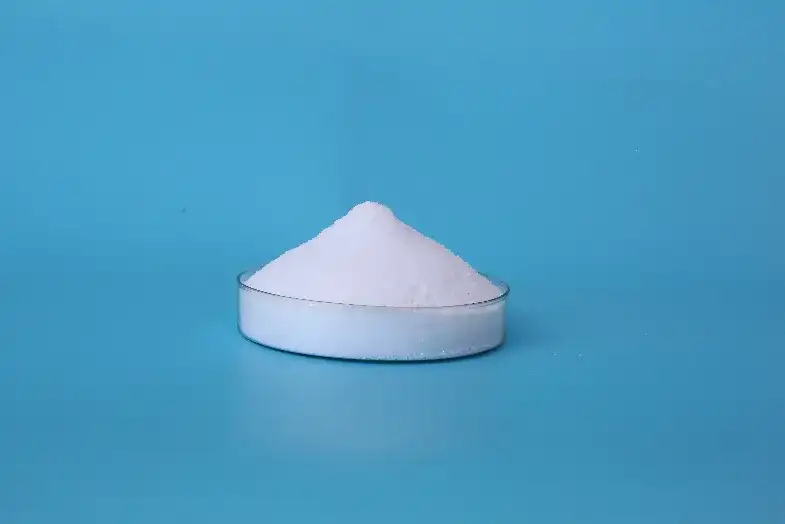
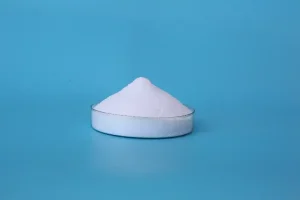
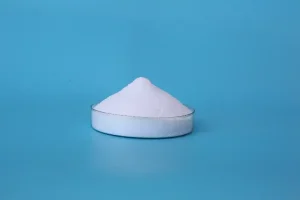
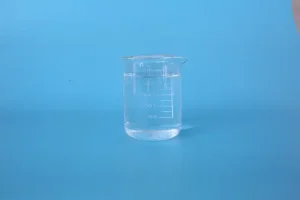
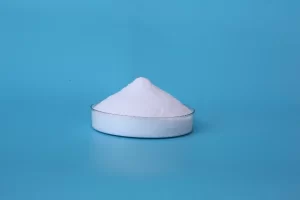
The form of the monomer changes both freight economics and plant handling. Acrylamide crystal contains at least 98.0% monomer, so nearly every freight tonne is productive material. Acrylamide aqueous solution moves as 25% to 50% monomer, which means a large share of the shipment is water. A solution that appears cheaper per delivered tonne can be more expensive per dry tonne after freight is included.
Aqueous solution still has a place. Plants built for continuous liquid feed avoid the dissolving equipment and dust control required for crystal. The decision is therefore not which form is better in general, but which form matches the production line and the freight lane.
The safest comparison is to ask every supplier to express the offer as a delivered price per dry tonne at the same annual volume. If the plant can handle both forms, the freight difference will usually decide the result.
If your polymerization line can accept either crystal or aqueous solution, confirm the delivered cost per dry tonne before finalizing your bill of materials. Send your monthly volume and target concentration to en*****@***er.com and we will compare both forms against your freight lane.
Where Do Freight Packaging and Supplier Qualification Add Cost?
Freight is the most undercounted line in an industrial scale acrylamide monomer price. Ocean freight, inland trucking, port charges, and customs clearance are influenced by package type and shipment size. Crystal delivered in bulk bags is not the same logistics problem as solution delivered in IBC totes or tank containers. Repackaging at destination adds labor and contamination risk.
Supplier qualification follows the same logic as specification. A supplier with stable output and consistent documentation costs more to maintain than a broker without production control, but that stability reduces quality hold time at the receiving dock. Buyers that treat qualification as separate from price often accept a low quote and then absorb testing, rework, or delayed production later.
How Should Buyers Move From Price Comparison to a Qualified Supplier?
The hardest part of procurement is not finding a lower number; it is knowing whether the price will hold under repeated delivery. A supplier that controls the upstream chain can reduce the chances of grade drift, late shipment, and documentation gaps. Shandong Nuoer Biological Technology Co., Ltd. operates integrated production of acrylamide, acrylic acid, and polyacrylamide with annual acrylamide capacity of 300,000 tons, which is why we ask buyers to evaluate the full supply chain rather than a single quote.
The next step is specific. Send your annual volume, required acrylamide purity and form, delivery destination, and any package constraint to en*****@***er.com or call +86-532-66712876, and we will confirm the delivered price structure against your freight lane and processing requirements.
What Do Industrial Buyers Ask Before Finalizing Acrylamide Monomer Pricing?
Does higher purity always justify a higher acrylamide monomer price?
Not in every application. For large scale polyacrylamide production, a 98.0% purity crystal is usually sufficient when moisture, iron, and conductivity are controlled. Specialty polymer or research work may need tighter limits and should expect to pay for the additional purification. The right approach is to price the monomer against the final polymer specification, not against the most expensive grade on the market.
What is the most common pricing mistake for first time industrial buyers?
The most common mistake is assuming FOB price equals landed cost. Two suppliers can show nearly identical unit prices but differ sharply on packaging, payment terms, and freight lane. A lower invoice price can disappear after repackaging and inland transport are added. Ask every supplier to quote on the same incoterm, the same package type, and the same delivery location before comparing anything.
Should I choose acrylamide crystal or aqueous solution to control cost?
It depends on your plant. If you already run bulk solids handling and have dissolving stations, crystal usually lowers the freight burden per dry tonne and gives longer storage flexibility. If your line is built for continuous liquid feed, aqueous solution can reduce handling labor even though you pay freight on water. Compare both forms on a dry tonne basis at your actual monthly volume before deciding.
How do I get a reliable acrylamide monomer price for my annual demand?
In my experience, reliable pricing starts from a complete demand profile. We can confirm a firm cost only when we know annual volume, monthly call-off pattern, purity grade, delivery location, and crystal or solution preference. A one line inquiry produces a screening number. A detailed requirement produces a workable supply plan. Share your required purity, monthly volume, and destination with us, and we will confirm current lead times and delivered pricing.
If you’re interested, check out these related articles:
Amphoteric Polyacrylamide: Optimal Solution for Mixed Effluent Treatment
Reliable Emulsion Polyacrylamide Manufacturer for Industrial Solutions
Cationic Polyacrylamide Performance Testing: A Technical Guide
Selecting Super Absorbent Polymer for Optimal Sanitary Napkin Performance


 English
 Russian
 Arabic
 Spanish