
Acrylamide crystal purity testing is the point where a specification on paper becomes a predictable polymerization process. Buyers who rely only on a supplier’s stated purity number often miss moisture, conductivity, and iron levels that shift reaction kinetics and final polymer molecular weight. We treat incoming test data as a working qualification, not a formality. The methods used, the units reported, and the lot-to-lot consistency matter as much as the headline purity figure. This article explains which parameters to verify, how laboratories measure them, and what to check before a bulk order.
Why Does Acrylamide Crystal Purity Matter for Polymer Production?
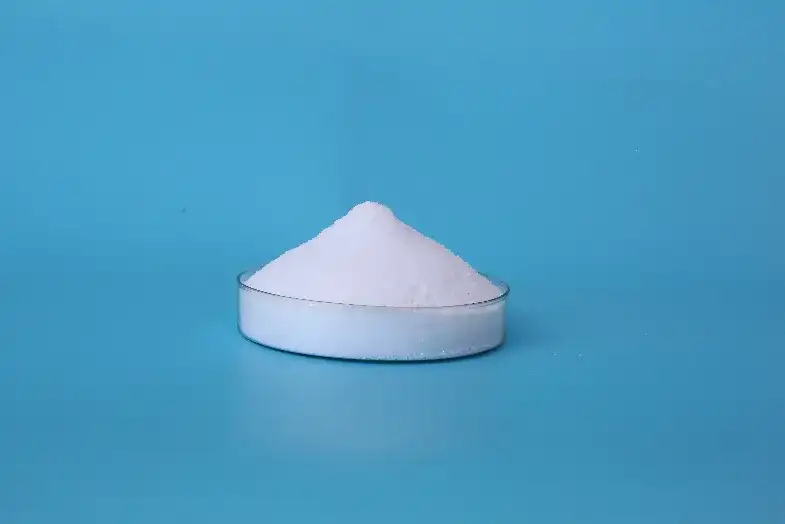
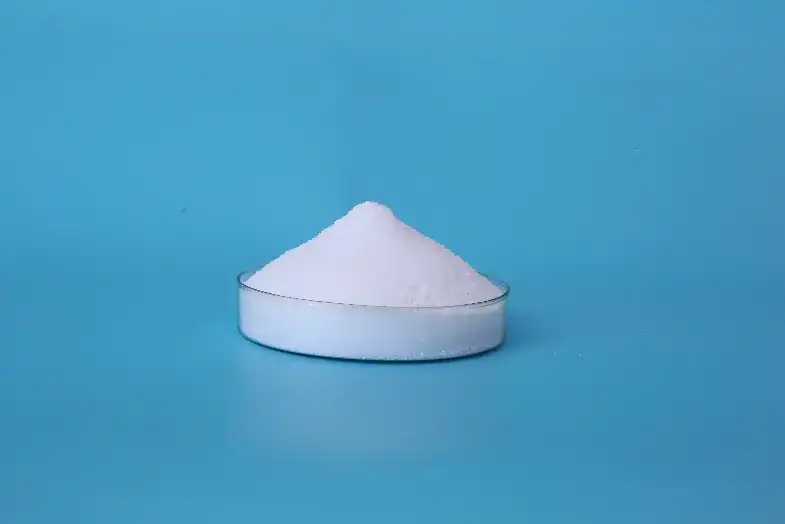
Acrylamide crystal is the monomer that becomes polyacrylamide. The quality of that monomer sets the ceiling for the polymer that follows. A 98.0% purity specification leaves up to 2% of material that can include water, iron, acrylic acid, and other process residues. In high molecular weight anionic and cationic polyacrylamide production, those residues do not simply dilute the batch. They interfere with free radical polymerization, shift chain transfer behavior, and can lower final molecular weight or broaden the molecular weight distribution.
In our production planning, we cross-check conductivity and iron before approving a new lot because a small increase in either parameter can change reaction behavior in ways that are not visible until the polymer is already in testing. A monomer lot that passes the headline purity number but carries high conductivity may still produce a polymer with lower viscosity or inconsistent flocculation. For plants running continuous polymerization, that kind of variation is not a laboratory curiosity. It becomes off-spec inventory and delayed shipments. This is why we treat incoming purity data as a qualification step, not as a supplier courtesy.
Which Acrylamide Crystal Purity Parameters Should Buyers Verify First?
The first parameters most buyers check are purity, moisture, and inhibitor content. Purity is normally reported as mass percentage, and for acrylamide crystal the accepted industrial minimum is 98.0%. Moisture should stay at or below 0.8% because water changes effective concentration and can affect storage stability. Inhibitor content is usually kept in the 3 to 10 parts per million range. Too little inhibitor increases the risk of premature polymerization during transport. Too much can slow the intended reaction down.
Two less visible parameters deserve the same attention. Conductivity, specified at 20 μS/cm or below, is a practical indicator of ionic impurities that can interfere with polymerization. Iron, specified at 1 × 10⁻⁶ or below, matters because trace metals can accelerate or disrupt radical reactions. Color is also part of a well written specification. A color number above 10 can indicate oxidation or contamination that no purity percentage alone will reveal.
| Parameter | Typical specification for AM crystal | Why it matters |
|---|---|---|
| Purity | ≥ 98.0% | Determines active monomer available for polymer chain growth |
| Moisture | ≤ 0.8% | Affects concentration, storage stability, and dosing accuracy |
| pH (10 g/L) | 6.5–7.5 | Confirms ionic balance and consistency in aqueous preparation |
| Conductivity | ≤ 20 μS/cm | Indicates ionic impurities that can disturb polymerization |
| Iron | ≤ 1 × 10⁻⁶ | Trace metal contamination that affects radical reactions |
How Is Acrylamide Crystal Purity Actually Tested?
Acrylamide crystal purity is commonly measured by high performance liquid chromatography, or by bromination titration in some quality laboratories. HPLC separates the active monomer from residual acrylic acid and other organic impurities, giving a precise mass percentage. Titration methods are fast and suitable for routine production control, but they can overstate purity if other unsaturated species react with the titrant. That is why the method should always be named on the certificate of analysis. A purity number without a method is not meaningful.
Moisture is measured by Karl Fischer titration because the water content is low enough that simpler drying methods lack accuracy. pH is determined electrometrically on a 10 g/L aqueous solution, which gives a consistent basis for comparison across lots. Conductivity is read directly with a calibrated conductivity meter and reported in microsiemens per centimeter. Iron is typically quantified by ICP-OES or atomic absorption after sample preparation, because the specification sits at the trace level and requires a sensitive technique.
What Should You Look for in a Certificate of Analysis?
A useful certificate of analysis lists each parameter, the specification, the actual result, the test method, and the lot number. If a supplier reports only purity, moisture, and pH, the document is incomplete for polymerization-grade acrylamide crystal. Trace metal data, conductivity, inhibitor level, and appearance or color should be present as well. A COA that rounds every result to the same decimal place, or that omits the method reference, should be questioned. Methods exist because different techniques produce different numbers for the same sample.
When comparing two suppliers, put the same parameter set side by side. One supplier may report iron at less than 1 part per million while another simply leaves the field blank. The first supplier has given you something to verify. The second has not. We also check whether the certificate matches the physical material by lot number. A strong COA for one lot does not cover the next shipment. For polymer plants, the correct approach is to require a fresh certificate for each delivery and test at least one incoming sample against it.
If your program requires controlled polymerization for high molecular weight polyacrylamide, confirm the conductivity and iron methods your supplier uses before finalizing the specification. A quick comparison of method and unit against your own incoming test plan can prevent lot rejection later. For trace impurity data on a specific acrylamide crystal grade, send your target range and application to en*****@***er.com.
What Should You Confirm Before Committing to a Bulk Order?
Bulk purchasing turns small specification gaps into large-scale production risk. A monomer lot that performs acceptably in a laboratory trial can still create downstream variation when it arrives by the container load, if moisture, inhibitor, or trace metal levels drift. The most practical step for a buyer is to fix a narrow incoming specification, align on test methods, and require a certificate of analysis for each lot before release.
Shandong Nuoer Biological Technology Co., Ltd. produces acrylamide crystal under a specification that includes purity at 98.0% or above, moisture at 0.8% or below, conductivity at 20 μS/cm or below, and iron at 1 × 10⁻⁶ or below. The company currently has an annual production capacity of 300,000 tons of acrylamide, so lot consistency and incoming testing matter more as volumes rise. If you are comparing suppliers or preparing an incoming quality plan, send your target monomer specification, application, and monthly volume to en*****@***er.com or call +86-532-66712876. That inquiry gives you a direct line to technical review without committing to a purchase.
What Else Should Buyers Ask About Acrylamide Crystal Purity?
Does 98% purity mean the remaining 2% is all water?
No. The remaining fraction usually includes water, residual acrylic acid, trace metals, and other process related compounds. Water is limited separately by the moisture specification at 0.8% or below. The rest of the non-acrylamide material is distributed across organic and ionic impurities. That is why conductivity, pH, and iron are reported as separate parameters. A high purity number alone says little about the type of impurity present. A lot can still meet 98.0% purity and carry enough ionic contamination to affect polymerization, so the full parameter set matters more than the headline figure.
Can I use the same test methods for acrylamide crystal and aqueous solution?
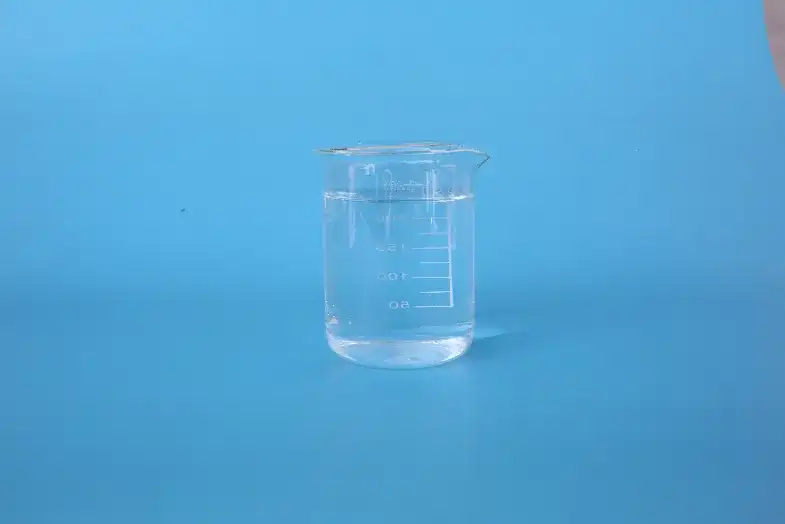
Some methods transfer directly, but others do not. Purity measurement by HPLC can be adapted for both crystal and solution, although sample preparation differs. Moisture testing by Karl Fischer is more relevant for crystal; aqueous solution is better controlled by concentration, acrylonitrile, and acrylic acid limits. pH and conductivity apply to both, but the specification ranges are not the same. A buyer switching from crystal to aqueous solution should not carry the same acceptance sheet forward. The polymer reaction may be tolerant of one form and sensitive to the other, depending on how the material is fed.
Why do some suppliers report purity by titration and others by HPLC?
The difference is not a sign of lower quality, but it changes how results should be compared. Titration is fast and suitable for routine process control, yet it can respond to other unsaturated compounds and produce a slightly higher number. HPLC separates acrylamide from those impurities and gives a more specific result. A 98.5% purity by titration is not automatically the same as a 98.5% purity by HPLC. Buyers should compare suppliers only when methods are aligned, or ask for HPLC verification if the application is polymerization sensitive.
How often should we retest incoming acrylamide crystal lots?
In polymer plants we have worked with, the safest practice is to test every incoming lot against the certificate of analysis, even when the supplier has delivered consistently for years. At minimum, run purity, moisture, and conductivity on each receipt. Add iron and pH when the lot will feed a high molecular weight or continuous process. The cost of incoming testing is small compared with a failed polymerization batch or off-spec polyacrylamide. If your team is building an incoming test plan, share your target monomer specification and application with en*****@***er.com and we can confirm which incoming checks are worth running first.
If you’re interested, check out these related articles:
Resilience Through Innovation: NuoER Group Leads the Way at CIDPEX 2026
Acrylamide Aqueous Solution Stability Testing: A Deep Dive


 English
 Russian
 Arabic
 Spanish