
Acrylamide monomer has a narrower role in superabsorbent polymer (SAP) production than many buyers assume. In most SAP lines, partially neutralized acrylic acid is the primary monomer, but select SAP formulations use acrylamide monomer as a functional comonomer to shift gel strength, absorption under load, or ion response. That distinction changes what to specify, store, and audit before sampling. We have seen SAP projects stall for weeks because a purchasing team ordered acrylamide against a generic polyacrylamide specification and then found the impurity profile did not match the polymerization method.
What Role Does Acrylamide Monomer Play in SAP Production?
In a typical polyacrylate SAP line, acrylic acid is partially neutralized with sodium hydroxide and crosslinked into a three-dimensional network. Acrylamide monomer enters only when the recipe requires an amide-containing copolymer structure. Its amide groups interact with water and the polymer backbone differently than carboxylate groups, so formulators may use acrylamide to shift absorption rate, gel modulus, or performance in a specific electrolyte environment.
This is not a drop-in substitution for acrylic acid. The proportion, neutralization ratio, and crosslinker balance must be rebuilt around the acrylamide fraction. We treat any acrylamide-containing SAP grade as a separate recipe for control purposes, even if the change from a standard grade looks small on paper. A minor deviation in residual monomer or chain length can show up as lower gel strength or higher extractables.
Production teams should first define the function: is acrylamide there to increase hydrophilicity, to modify gel modulus, or to hold a specific absorption profile? The answer sets the purity window and the form that is easiest to control in the reactor.
Which Purity Levels Matter for SAP Formulations?
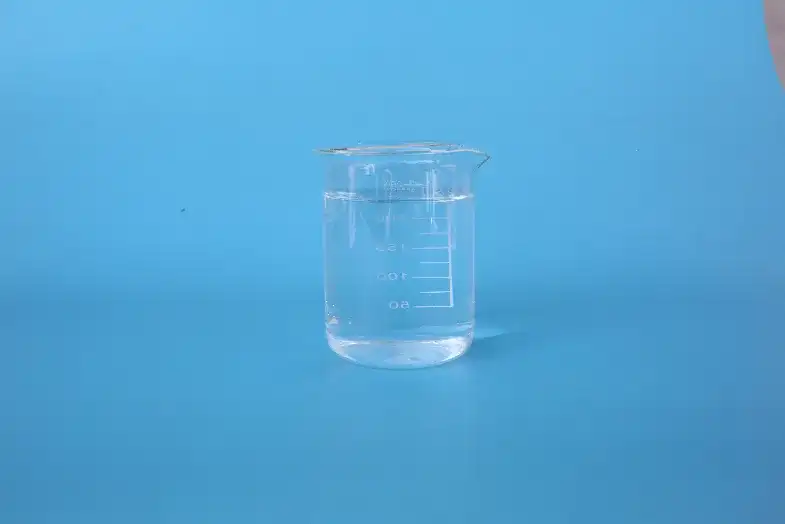
Acrylamide monomer quality is not judged by total purity alone. For SAP formulations, the specification also has to account for conductivity, inhibitor, moisture, and the ions left behind after polymerization. These values affect initiation rate, network uniformity, and residual monomer in the finished absorbent.
| Parameter | AM Crystal | AM Aqueous Solution | Why It Matters for SAP |
|---|---|---|---|
| Main content | ≥98.0% purity | 28-52% content, grade dependent | Confirms monomer availability by form |
| Inhibitor | 3-10 ×10⁻⁶ | 0-100 ppm, customizable | Can delay polymerization or require initiator adjustment |
| pH | 6.5-7.5 (10 g/L) | 7.0-9.0 | Shifts neutralization balance |
| Conductivity | ≤20 μS/cm | ≤5-30 μS/cm, grade dependent | Ionic impurities can disturb crosslinking |
| Moisture | ≤0.8% | Not applicable in solution form | Affects dry weight dosing for crystal |
For a first SAP trial, most teams should fix the inhibitor and conductivity window before optimizing color or minor trace metals. These two parameters act directly on polymerization kinetics, and they vary across suppliers even when headline purity looks similar. We have run specification comparisons where two batches met the same 98% purity figure but moved at different gel times. The difference came from inhibitor and ion content.
If your SAP recipe uses a low-inhibitor feed or fast initiation cycle, lock the acceptable inhibitor and conductivity range with the monomer supplier before finalizing the BOM. Share your target residual monomer and polymerization method with en*****@***er.com for a direct grade check.
How Should Acrylamide Monomer Be Stored Before Polymerization?
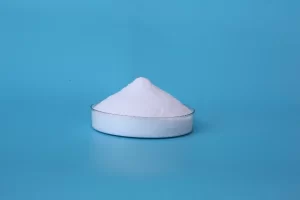
Storage failures usually come from heat, light, or long residence time. Acrylamide monomer, whether crystal or aqueous solution, should be kept cool and dark before charging. AM Crystal remains stable when stored cool and dark, with a typical shelf life of up to one to two years under proper conditions. Aqueous solution needs similar attention because UV and elevated temperature can drive premature polymerization or reduce effective inhibitor.
On the plant side, bulk storage should sit away from initiator staging. Even a small leak from an initiator line into a monomer tank can form polymer solids that are difficult to remove and that change the next batch. We treat moisture and cross contamination as the two main storage risks for crystal, and for solution we watch temperature history more closely.
Order quantities should match scheduled consumption. A retained specification may look acceptable, but real performance shifts after long storage.
Where Should SAP Producers Source Acrylamide Monomer?
Sourcing for an SAP formulation is different from sourcing for standard polyacrylamide production. The buyer needs a supplier that can discuss the functional role of the monomer in the final polymer, not only deliver a commodity chemical. That means requesting full specification sheets, batch-to-batch inhibitor data, and the ability to hold a target window over repeated shipments.
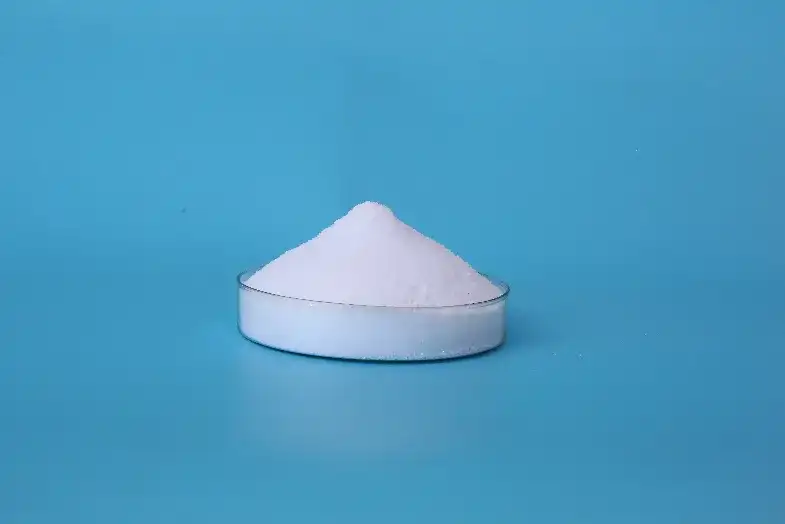
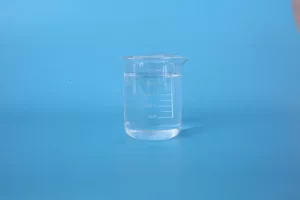
Form also matters. AM Crystal works well when the process needs accurate dry weight and minimal moisture. AM Aqueous Solution fits continuous or batch lines where liquid feeding reduces dust and speeds dissolution. The choice should follow the reactor design, not price alone.
A reliable supply path should also keep the same test methods on every certificate. We check purity, conductivity, pH, and inhibitor content for monomer batches, and we recommend buyers retain reference samples for each shipment. That makes it easier to trace an SAP quality shift back to monomer variation or rule it out.
What Should You Confirm Before Ordering Acrylamide Monomer for SAP Trials?
The most expensive ordering mistake in an SAP project is specifying a monomer grade for the wrong recipe position. If acrylamide is only a minor comonomer, the acceptable impurity and inhibitor window should be set by the process team, not copied from a standard polyacrylamide purchase. If it is the main monomer in a specialty water-absorbent copolymer, the grade should be reviewed as a primary raw material with tighter control.
Before the first shipment, confirm four points: the functional role of acrylamide in the recipe, the form that fits the reactor feed, the inhibitor and conductivity limits the process can tolerate, and the trial batch size.
Send those four points to en*****@***er.com or call +86-532-66712876. We will match the crystal or aqueous solution grade, confirm the current specification, and return a lead time for your trial quantity. If the SAP grade is still in development, share the polymerization method and target residual monomer; we can advise which specification window to lock before you commit to production volume.
What Should SAP Buyers Ask About Acrylamide Monomer?
Does every SAP production line need acrylamide monomer?
No. Standard partially neutralized polyacrylate SAP uses acrylic acid as the primary monomer. Acrylamide monomer is needed only when the recipe includes an amide-containing copolymer or a specific water-swellable grade that requires that structural change. Before ordering, a buyer should confirm from the R&D specification whether acrylamide is a major monomer or a minor comonomer. The total purity requirement changes with that role.
Which form suits early SAP trials: crystal or aqueous solution?
It depends on how the reactor is charged and how precisely the team needs to control dry weight. Crystal gives accurate weighing and lower moisture, while aqueous solution cuts dust and dissolves faster in many batch systems. A lab trial that will later move to continuous production may start with solution if the delivery system is already set up for liquid feed. We usually recommend matching the trial form to the expected production form so the scale-up path stays close.
Is total purity the most important acrylamide monomer specification?
It is not the only gate. Conductivity, pH, inhibitor, and moisture influence polymerization more directly in SAP formulations than a small purity difference near the top of the spec. Two 98% purity batches can still perform differently because of inhibitor or ionic content. A first trial should lock a complete specification window, not a headline number, and keep a reference sample from the accepted batch.
Can acrylamide monomer change SAP absorption speed?
It can, but the result depends on network design. Acrylamide units change water affinity and gel structure, so formulators may use them to tune the absorption profile rather than simply raise total capacity. The outcome is not automatic from the monomer alone and must be confirmed against crosslinker ratio and neutralization. If you are deciding between crystal and solution for a new SAP grade, send the recipe target and batch scale to en*****@***er.com; we will confirm which specification matches your trial.
If you’re interested, check out these related articles:
Nuoer Biotech Helps Ensure the Successful Convening of the 2025 Annual Meeting of the National Functional Polymer Industry Committee and the Industry Development High-Level Technology Forum
Reliable Super Absorbent Polymer Manufacturer: Global Supply & Quality
SAP Particle Size: A Guide to Optimal Selection for Performance
Nuoer Awarded the Honor of “2024 Dongying City Enterprise with Outstanding Tax Contribution”
Cationic Polyacrylamide Factory Direct Supply: Unrivaled Performance




 English
 Russian
 Arabic
 Spanish