
Acrylamide crystal price is more than a number on a quote sheet. As a polymer materials manager, I look at landed cost per ton of finished polyacrylamide, not the monomer line item alone. Two suppliers can quote nearly the same figure yet deliver very different polymerization results because purity, moisture, inhibitor level, and logistics all shift the true cost. Industrial buyers who compare only headline prices repeatedly overpay in downstream yield loss and batch inconsistency. The better approach is to evaluate the crystal against the specification your reactor actually needs, then hold every quote to that same standard.
The Main Factors That Drive Acrylamide Crystal Price
Most acrylamide crystal quotes start with purity and scale. A 98 percent minimum crystal carries a different value than a lower grade aimed at less demanding applications, and that difference widens at contract volume. Buyers also pay for moisture control, inhibitor loading, packaging format, and the distance between the producing plant and the destination port. I have seen programs where the monomer cost moved less than the freight cost after the buyer switched from a nearby supplier to a cheaper one three weeks away. Production capacity matters the same way. A supplier with dedicated acrylamide capacity holds pricing more steadily in a tight monomer market than a reseller moving spot cargo. When you compare quotes, separate the molecule itself from everything that carries it to your reactor.
Purity Changes the Real Cost per Ton
Purity is where quoting errors hide. Crystal shipped with moisture above specification adds water weight at monomer prices, and that water can disturb initiator performance in a batch. Iron and conductivity signal residual ionic contamination, which matters in sensitive copolymer systems. These values do not appear on a standard invoice, yet they determine whether a run converts cleanly or leaves residual monomer in the finished polymer.
What Specifications Matter Most for Polymerization Control
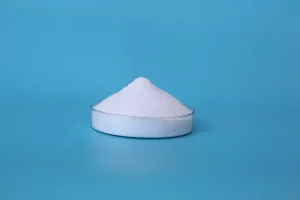
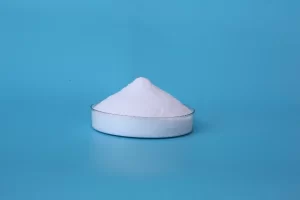
A workable production standard keeps contamination low enough for repeatable kinetics. The AM Crystal product standard our plant supplies lists the following limits.
| Parameter | Production Standard |
| Purity | 98.0 percent or higher |
| Moisture | 0.8 percent or lower |
| pH at 10 g/L | 6.5 to 7.5 |
| Conductivity | 20 microsiemens per centimeter or lower |
| Iron | 1 ppm or lower |
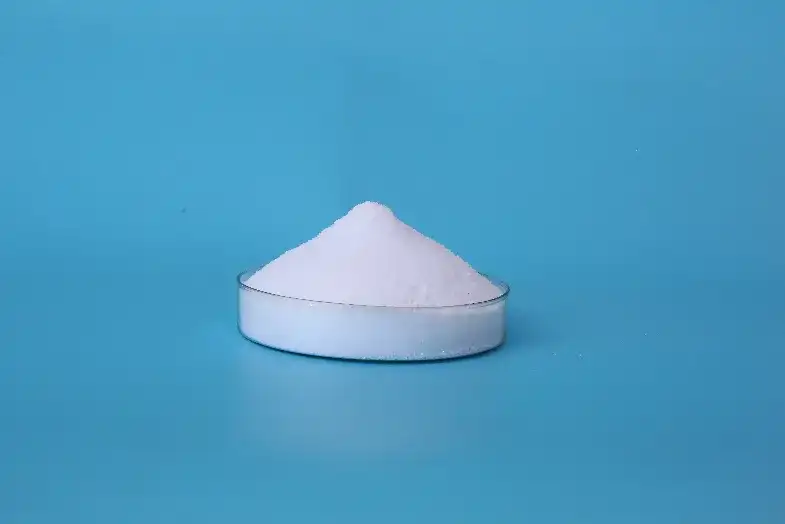
I have spent enough time in plant reviews to treat impurity specs as a cost item with a direct line back to product quality. A small contamination shift in the monomer quietly lowers conversion or raises residual monomer in the finished polyacrylamide. That loss does not show on the monomer invoice. It shows later as rework, a lower grade sale, or a customer complaint. If two suppliers differ by a fraction of a percent on moisture or conductivity, do not read that as a rounding error. Read it as a yield difference that belongs in the price comparison.
Acrylamide Crystal Price Compared With Aqueous Solution
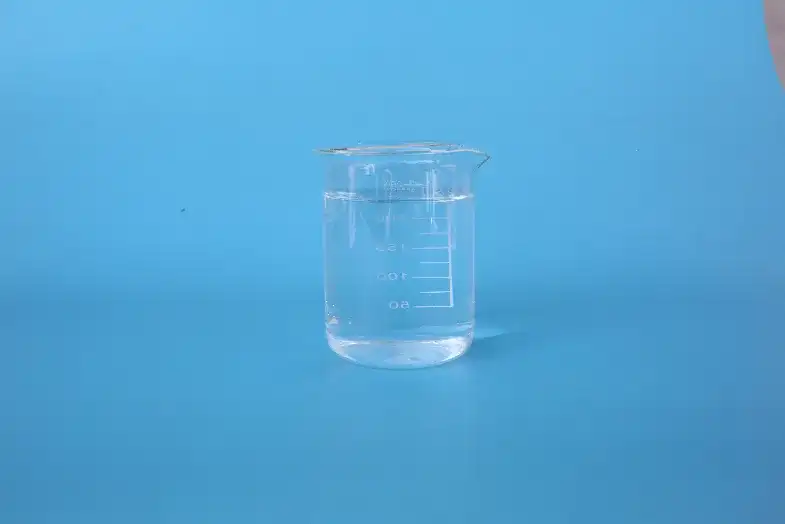
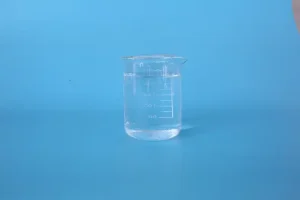
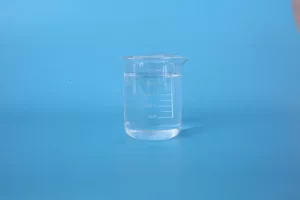
The practical alternative to crystal is an aqueous solution at 25 to 50 percent concentration. Solution removes dissolving and handling steps at the buyer’s plant, which matters for continuous operations with limited labor, but it also ships water. On long freight lanes, that water cost can overtake the handling savings. Our production planning compares the two forms on delivered dry monomer content, storage life, and dissolution labor.
When Does Aqueous Solution Beat Crystal on Total Cost
Aqueous solution usually wins where labor is scarce, continuous polymerization is running, or dissolving equipment is not available at the site. Crystal usually wins where the plant has stable dissolving capacity and storage, because the landed cost per dry kilogram is lower without shipping and storing water. A site near the producing plant may take the opposite choice because freight is short and solution handling stays simple. I have seen both decisions prove correct on paper and then reverse after a plant measured its real dissolving time. Run the comparison against your own route and labor cost before you fix the form.
If your program involves high purity polymerization, continuous processing, or long haul freight, confirm the inhibitor level and moisture before you commit either form to your BOM. Send your requirements to en*****@***er.com and we can run the landed cost comparison against your route.
Supplier and Storage Checks That Protect the Price
Before comparing quotes, standardize what each supplier is actually selling. Ask for a certificate of analysis that matches the grade you requested. Confirm whether quoted purity is a minimum or a typical value, and whether packaging, pallet configuration, and inhibitor documentation are included in the price. An integrated manufacturer that runs the monomer line through to the polymer product carries more accountability when a batch drifts. I put more weight on that consistency than on a lower quote from an intermediary without its own production control.
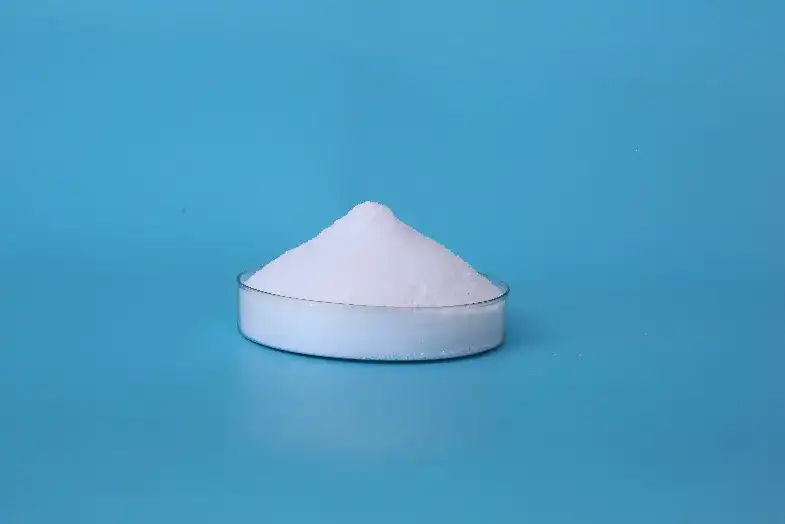
Storage belongs in the same calculation. Crystal kept cool and dark remains stable for one to two years under proper conditions. Once a container opens in a humid environment, moisture uptake starts and the material drifts away from the specification you paid for. Heat and UV exposure can trigger premature polymerization. I have seen buyers erase their purchasing savings by losing several drums to partial polymerization after stock sat near a heated wall. Order only what your warehouse can use within the storage window your warehouse can actually maintain, and inspect the seal condition on every delivery.
Confirming Your Acrylamide Crystal Price and Specifications
Price shopping produces a number. Specification confirmation produces a reliable supply decision. The most effective move is to send the same detailed requirement to every supplier: grade, purity minimum, moisture, inhibitor range, packaging, monthly volume, and destination port. That levels the field and exposes quotes that hide lower purity inside a lower price. A manufacturer with substantial acrylamide capacity and a global logistics network can quote a landed cost that reflects production reality rather than spot resale. Shandong Nuoer produces 300,000 tons of acrylamide annually and supplies more than 60 countries, so the quotation can be built against actual capacity and routing. To receive a quote built around your monthly draw and destination, send your specification and volume to en*****@***er.com or call +86-532-66712876. We will confirm delivery terms, documentation, and the batch data behind the price.
Common Questions About Acrylamide Crystal Pricing
Does higher purity always mean a higher acrylamide crystal price?
Not always. Purity affects the base value, but order volume, freight distance, supplier capacity, and packaging requirements frequently move the final figure more. An integrated manufacturer with large acrylamide capacity can sometimes supply a high purity grade at a lower landed cost than a smaller reseller quoting a slightly lower purity product. Buyers should compare price on identical specifications and delivery terms. A certificate of analysis is worth more than a percentage point without supporting batch data. When the purity target matches the downstream polymer process, higher purity often costs less in yield loss than the alternative.
Should buyers always choose crystal over aqueous solution?
A common assumption is that crystal is always the cheaper form per dry kilogram. That holds when freight is manageable, storage is stable, and the plant has dissolving capacity. It falls apart when a continuous polymerization line has limited labor and no dry handling equipment. Aqueous solution carries water, but it removes dissolution steps and reduces exposure during charging. The correct comparison uses landed cost per dry monomer unit plus the measured labor cost of dissolving crystal. We have watched both forms win in different plants because the operation, not the monomer itself, decided the economics.
What order volume is enough to get a meaningful price?
It depends on your monthly consumption and the supplier’s production structure. A single trial shipment often prices at spot levels because packing and documentation costs are spread over a small weight. A steady monthly offtake lets the supplier schedule production and hold inventory against your specification, which usually brings a lower and more stable figure. Buyers do not need to commit to sudden volume before testing the material. Start with a qualification batch, then move to a rolling schedule once the specification and delivery route are proven. The price conversation changes when the supplier can plan around your draw rather than chase a one time order.
How should industrial buyers store acrylamide crystal after delivery?
In warehouses I have reviewed, the most common failure is not poor initial material but exposure after opening. Crystal stores safely when kept cool, dark, and sealed, with a working life of one to two years under proper conditions. Use open drums promptly because humid air starts moisture uptake immediately. Keep stock away from heat sources, UV exposure, and standing water, and record the opening date on each container. If storage conditions at your site are limited, order in smaller lots to protect the specification you paid for. Share your receiving and storage setup with us and we will confirm the packaging and lot sizing that fit it.
If you’re interested, check out these related articles:
Nuoer Made Its Appearance at the 25th China International Petroleum & Petrochemical Technology and Equipment Exhibition, Showcasing Green Innovation Strength
Acrylamide Crystal: Optimizing Polymerization for Industrial Success
Acrylamide Crystal Purity for Large-Scale Polymer Synthesis


 English
 Russian
 Arabic
 Spanish