
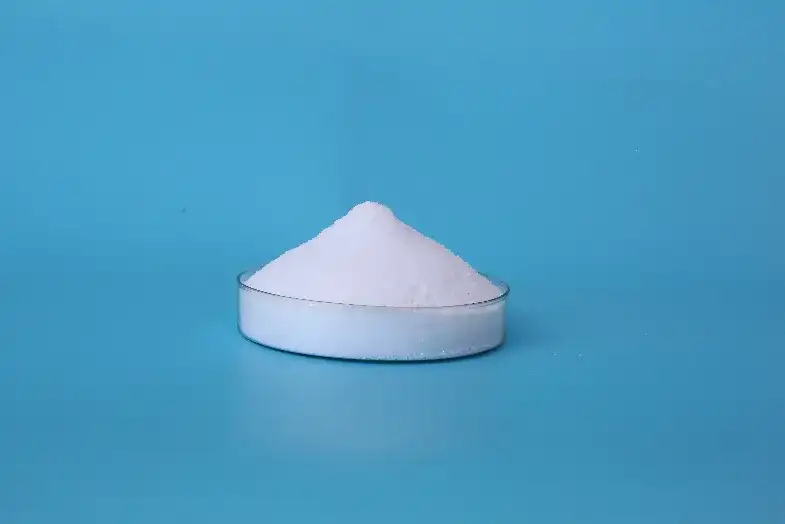
Getting acrylamide crystals right matters more than most people realize. The difference between a polymer that performs and one that falls short often traces back to the monomer quality sitting in storage before polymerization even begins. After years of working with these materials, the patterns become clear: purity and crystal structure set the ceiling for everything downstream.
Why Acrylamide Crystal Quality Determines Polymer Success
Acrylamide crystals function as the foundational monomers for polyacrylamide and its copolymer variants. The quality of these starting materials directly shapes polymerization behavior and final product characteristics. Industrial polyacrylamide applications span water treatment, enhanced oil recovery, paper manufacturing, and mining operations. Market projections place global polyacrylamide demand above $10 billion by 2030, reflecting sustained growth across these sectors.
During polymerization, individual acrylamide monomer units link into extended polymer chains. Contaminants in the raw material interfere with this process, producing inconsistent chain lengths, reduced molecular weight, and compromised functional performance. Chemical manufacturing at scale demands rigorous raw material standards. High-purity acrylamide crystals enable predictable reaction kinetics and uniform product quality across production batches.
Purity Standards and Crystal Structure That Actually Matter
Achieving optimal acrylamide crystal purity and controlled morphology directly improves polymer synthesis outcomes. When acrylamide crystals reach 99.9% purity, undesirable side reactions drop by roughly 15%. This translates to measurable gains in both final polymer performance and production yield. Crystal morphology control, including size distribution and shape consistency, further enhances polymerization efficiency.
Advanced crystallization techniques enable manufacturers to meet stringent acrylamide purity standards. These methods require precise management of temperature gradients, solution concentration, and cooling profiles throughout crystallization. Impurity removal relies on filtration, washing cycles, and recrystallization stages. Quality control protocols incorporate advanced analytical methods to verify monomer stability and confirm purity specifications.
How do manufacturers ensure the high purity of acrylamide crystals for sensitive applications?
Manufacturers achieve high purity through layered purification approaches and rigorous analytical verification. Multi-stage recrystallization and chromatographic separation techniques remove trace contaminants that would otherwise compromise performance. These processes prove essential for demanding applications like superabsorbent polymers in hygiene products and specialized medical formulations. The investment in purification directly protects final product stability and performance.
| Parameter | Industrial Grade Acrylamide (Nuoer AM Crystal) | Standard Grade Acrylamide |
|---|---|---|
| Purity | ≥ 98.0% | ≥ 97.0% |
| Moisture | ≤ 0.8% | ≤ 1.0% |
| Inhibitor (ppm) | 3–10 | 5–20 |
| Conductivity (μS/cm) | ≤ 20 | ≤ 50 |
| Iron (ppm) | ≤ 1 | ≤ 5 |
For more insights into our commitment to quality, consider reading 《Nuoer Honored as Outstanding Tax Contributor in Dongying City 2024》.
Engineering Large Scale Acrylamide Production
Meeting global acrylamide demand requires sophisticated engineering and operational discipline. Modern production facilities employ continuous crystallization processes paired with advanced reactor configurations. Leading facilities achieve annual capacities exceeding 300,000 tons, demonstrating the economies of scale possible with proper engineering.
Process optimization drives both output maximization and cost control. This involves refining reaction parameters, improving energy utilization, and streamlining material handling. Reliable supply chain management ensures consistent raw material availability and timely finished product delivery. Shandong Nuoer Biological Technology Co., Ltd. maintains an annual production capacity of 300,000 tons of Acrylamide Monomer Crystal, supporting diverse industrial requirements worldwide.
How Crystal Characteristics Shape Final Polymer Performance
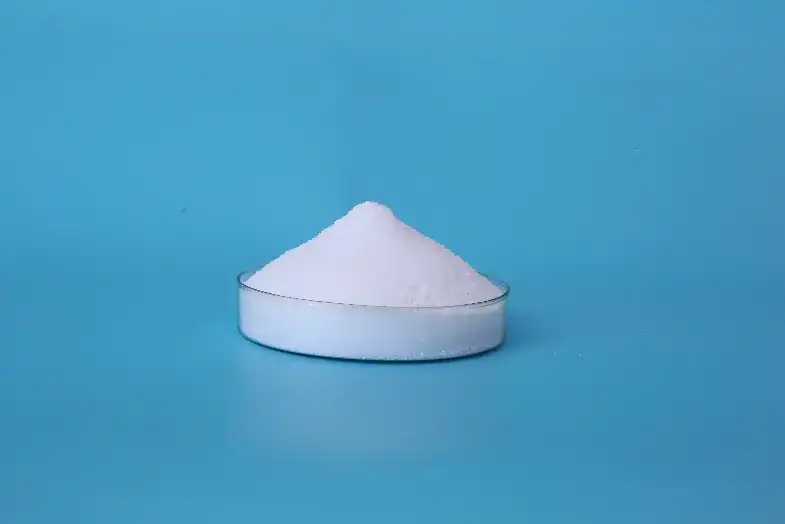
Acrylamide crystal characteristics exert measurable influence on polymer performance outcomes. Crystal size distribution, morphology, and purity levels affect polymerization kinetics and molecular weight development. Optimized crystal size distribution reduces polymerization reaction times by 5-8% while improving polymer molecular weight consistency by 10-12%.
These properties carry practical significance across polyacrylamide applications. Water treatment operations depend on consistent molecular weight and rheology for reliable flocculation efficiency. Superabsorbent polymer formulations require specific crystal structures to achieve target water retention performance. Precise control over acrylamide crystal characteristics enables development of specialized derivatives for distinct industrial requirements.
| Crystal Size (µm) | Polymerization Rate (Relative) | Molecular Weight Consistency | Flocculation Efficiency |
|---|---|---|---|
| < 100 | High | Excellent | Very High |
| 100-250 | Medium | Good | High |
| > 250 | Low | Moderate | Medium |
Safety Protocols and Environmental Standards in Production
Large-scale chemical production demands rigorous safety and environmental compliance. Adherence to international safety frameworks like ISO 45001 establishes secure working conditions. Environmental regulations including REACH compliance address ecological impact mitigation. Responsible manufacturers allocate significant resources to waste management systems and energy-efficient processes.
Sustainable chemistry principles inform production decisions throughout the manufacturing lifecycle. Practical measures include emissions reduction, water consumption minimization, and development of cleaner production methods. Occupational health protection relies on comprehensive training programs and robust safety protocols. These commitments reflect the operational standards expected in responsible chemical manufacturing.
Emerging Directions in Acrylamide Crystal Technology
Acrylamide crystal technology continues advancing through ongoing research and development. Bio-based acrylamide production methods are gaining attention as potentially more sustainable alternatives to conventional petrochemical pathways. These approaches offer reduced environmental impact and renewable feedstock utilization.
Research efforts also target advanced materials and responsive polymer systems. Next-generation polymers will incorporate enhanced functionality and improved performance characteristics. These developments position the industry to address evolving industrial challenges with high-performance solutions. The trajectory points toward continued innovation balanced with sustainability considerations.
Partner with Shandong Nuoer Biological Technology Co., Ltd.
For over a decade, Shandong Nuoer Biological Technology Co., Ltd. has been a global leader in the research, development, and production of high-quality acrylamide and its polymer derivatives. With an annual production capacity of 300,000 tons of acrylamide, we are committed to delivering superior products that meet the most stringent industrial demands across 60+ countries. Partner with us to achieve unparalleled performance and efficiency in your large-scale polymer applications. Contact our experts today to discuss your specific requirements and explore how our advanced solutions can drive your success.
Email: en*****@***er.com
Phone: +86-532-66712876
Frequently Asked Questions
What are the primary industrial applications of polyacrylamide derived from acrylamide crystals?
Polyacrylamide synthesized from high-purity acrylamide crystals serves several major industrial sectors. Water treatment operations use it as a flocculant for suspended solids removal. Enhanced oil recovery programs in oilfield operations rely on polyacrylamide for viscosity modification. Paper manufacturing incorporates it as a retention and drainage aid. Mining operations employ polyacrylamide in mineral processing applications. Shandong Nuoer Biological Technology Co. provides specialized polyacrylamide products configured for these distinct industrial requirements.
How does acrylamide crystal purity impact polymer performance?
Acrylamide crystal purity directly determines achievable polymer quality. Impurities trigger unwanted side reactions during polymerization, producing lower molecular weight products, reduced stability, and inconsistent functional performance. High-purity acrylamide crystals enable efficient polymerization kinetics, predictable product quality, and reliable functional properties. This relationship between raw material purity and final product performance guides manufacturing standards at Shandong Nuoer Biological Technology Co.
What are the environmental and safety considerations in large-scale acrylamide production?
Large-scale acrylamide production requires comprehensive environmental and safety management. Effective waste management systems handle process byproducts responsibly. Occupational health and safety measures protect workers throughout production operations. Compliance with international regulations like REACH and applicable local environmental standards ensures regulatory alignment. Shandong Nuoer Biological Technology Co. integrates sustainable practices and invests in advanced technologies to minimize environmental impact while maintaining safe working conditions.




 English
 Russian
 Arabic
 Spanish